Batam Tests Premium Ceiling With Massive Room Bet Ahead of Supporting Precinct
Opening 493 rooms at $250 in Opus Bay forces Balmoral Tower to carry high operating costs before retail and sports facilities arrive.
SINGAPORE
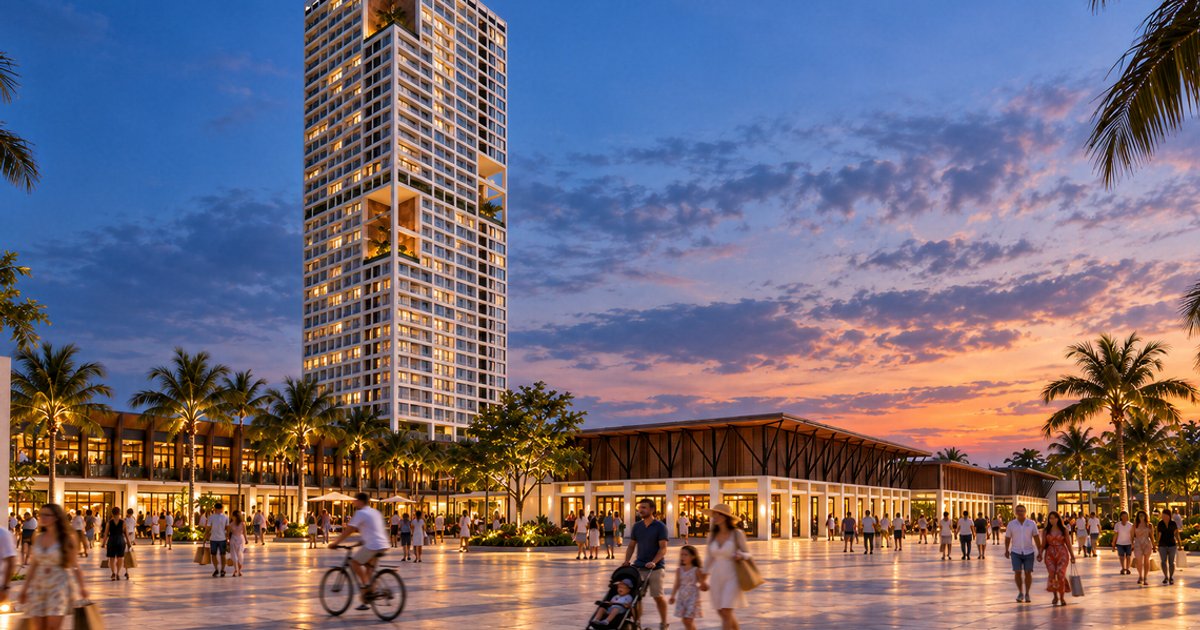
Batam has long built its cross-strait hospitality trade on low-tariff weekend volume, yet an incoming development is wagering that visitors will pay downtown Singapore prices on an Indonesian waterfront. When Balmoral Tower opens in December as Batam’s largest hotel with 493 rooms, its opening rates will start from $250. Anchoring the 125ha Opus Bay master plan, the property represents an aggressive concentration of accommodation capital entering a market where upper-tier room yields face historical resistance.
The financial question is immediate and sharp: at what occupancy does a 493-room resort break even before its supporting precinct is built?
Under the master plan, developer projections link the hotel to Residence on Opus Bay, a villa resort, a dedicated ferry terminal, and the Bay Boulevard Marina Promenade. That integrated layout aims to trap guest expenditure inside a self-contained ecosystem. In hospitality balance sheets, integrated resort economics rely heavily on non-room spend—retail leases and recreational fees—to subsidize heavy physical plant depreciation. Opus Bay is attempting that capital-heavy model on Batam's coastline, betting that sheer physical scale can manufacture premium destination appeal from scratch.
Pricing Inventory Ahead of Infrastructure
Project phasing, however, reveals a substantial execution hazard. Operational targets schedule the waterfront retail and dining precinct alongside sports facilities for completion only by early 2027. That timeline leaves Balmoral Tower operating for over a year as an isolated accommodation block inside an active construction perimeter. For guests paying from $250 per night starting in December, the immediate arrival experience will contrast sharply with the finished commercial precinct shown in master-plan marketing materials.
Selling complete destination isolation at luxury rates requires instant operational perfection.
Critics argue that commercial viability will hinge directly on how fast those adjacent facilities materialise and whether international visitors deem the $250 room price justified. Established commercial hubs around Grand Batam Mall and Batam City Square already provide functioning retail and dining networks at local price points, while recreational draws like Batam Hills Golf Resort cater to existing leisure patterns. Travellers arriving through Sekupang or Teluk Senimba Ferry Terminal have traditionally prioritized affordability and easy transport. Persuading those cross-strait visitors to pay elevated rates to stay within Opus Bay requires amenities that simply will not exist during the initial operational year.
The Occupancy Equation Across the Strait
Carrying the fixed overhead of nearly five hundred keys without retail tenant income forces a hotel into an immediate margin trap.
Cross-strait logistics will decide how quickly cash flows materialize. Ferry connections linking Singapore through Marina Bay Ferry Cove and the planned terminal infrastructure must deliver consistent midweek passenger traffic, not merely weekend leisure spikes. If transport connectivity experiences initial friction, Balmoral Tower will struggle to generate the baseline volume needed to service its room count. High-volume properties cannot survive on peak Saturday occupancy alone; they require sustained corporate retreats, tour groups, or extended leisure stays across Tuesday and Wednesday nights.
Without income from retail leases and sports facilities flowing into accounts before 2027, Balmoral Tower must shoulder its extensive operating overhead entirely through room yields and early food service. That constraint leaves management with two difficult choices. Lowering rates to secure volume would dilute the development's luxury positioning and erode developer margins. Maintaining the $250 rate card, conversely, threatens prolonged vacancies across 493 keys during off-peak periods. In hospitality asset management, vacant rooms are a perishable inventory that produces zero revenue while ongoing maintenance and staffing costs accrue relentlessly.
Batam’s upper hospitality ceiling is being tested by raw physical capacity. Whether that wager pays off will depend on how long developer capital can fund empty corridors before the shops and sports complex finally open to validate the price tag.
Sources
Newsletter
Pacific Daily
A curated briefing from Thailand, Asia-Pacific and the world.