Hotel booking scams expose industry's data vulnerabilities
At least S$185,000 lost in Singapore to hotel booking phishing scams suggests that the digital convenience of travel now carries an escalating financial risk for consumers.
SINGAPORE
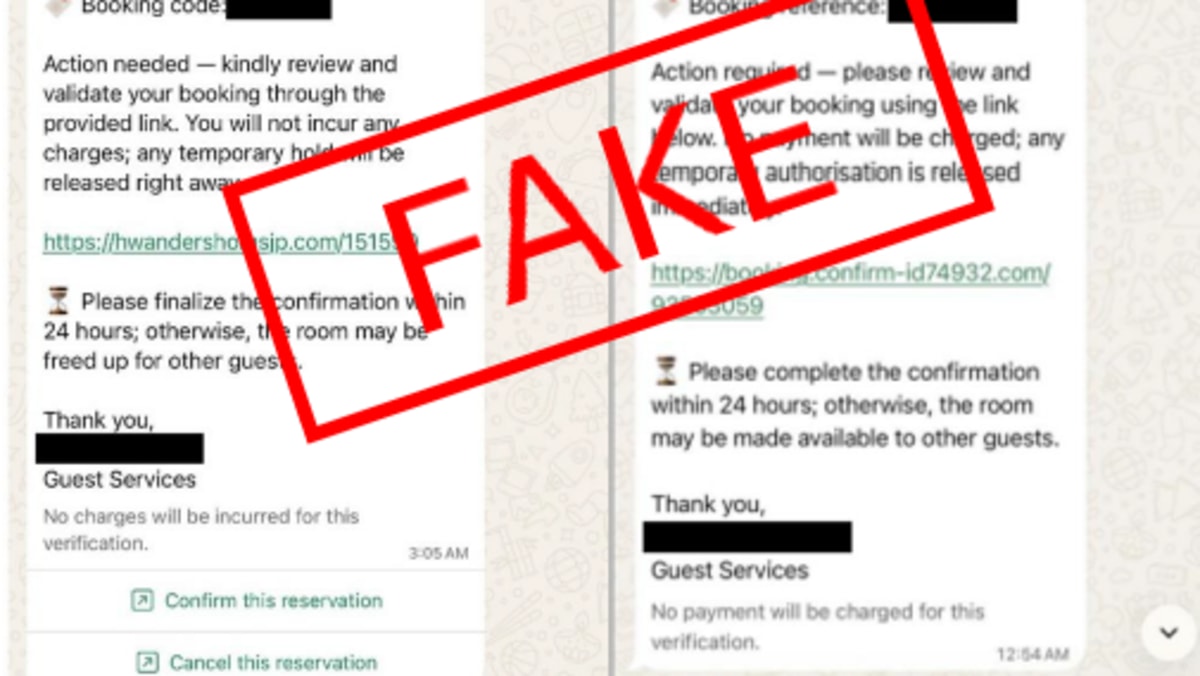
Financial exposure for consumers rises as at least S$185,000 has been lost to phishing scams involving hotel bookings since January in Singapore. Victims in at least 148 cases received contact from fraudsters impersonating hotels or booking platforms, primarily through WhatsApp or email. The Singapore Police Force noted that some fraudulent messages included legitimate details of the victims' hotel reservations, making these scams appear more convincing.
For the hospitality sector, these incidents highlight the concrete costs of digital fraud, which can erode consumer trust. Such erosion complicates recovery efforts in a period of broader economic uncertainties. The International Labour Organization noted in January that rapid ageing is reshaping jobs and growth in Asia and the Pacific. While macro-economic signals vary, from Japan's jumping exports to a more than 5% fall in South Korean stocks, these scams directly impact consumer spending confidence in travel.
Hotels and booking platforms navigate the management of digital security risks, especially as they handle sensitive customer data. The inclusion of legitimate reservation details in scam messages points to a potential compromise in data security, either within the booking ecosystem or through third-party services. Such breaches can lead to financial losses for consumers and reputational damage for legitimate businesses. These outcomes may alter booking behaviors or preferences for payment methods among travelers.
Given the reliance on digital channels for booking and communication, the industry's incentive lies in enhancing security protocols and consumer education regarding online threats. The sophistication of these scams, featuring accurate reservation information, indicates a structured approach by perpetrators. The unanswered question remains how fraudsters access such specific booking details. This points to a systemic vulnerability, rather than isolated opportunistic attacks. Access could stem from compromised databases or other points in the digital booking chain.
Consumers ultimately pay for these vulnerabilities, not only through direct monetary losses. They also bear the cost of increased time and effort required to verify communications. For the Asia-Pacific region, where tourism contributes significantly to many economies, this emerging threat could introduce friction into the travel experience. The current situation places the burden of vigilance primarily on the consumer. The industry's ability to secure its data and adapt to evolving digital threats will determine if the convenience of online bookings can be maintained without imposing undue risk on travelers. The immediate outlook depends on the swiftness and effectiveness with which industry players and law enforcement can counter these increasingly sophisticated digital deceptions.
Sources
Newsletter
Pacific Daily
A curated briefing from Thailand, Asia-Pacific and the world.