A Journalist's Arrest, A Driver's Fate, And The Shifting Sands Of Asylum
The detention of Luis Galeano in Florida reveals more than just an individual's struggle; it hints at a systemic shift in how those in precarious circumstances are perceived, and where their cultural value is recognised.
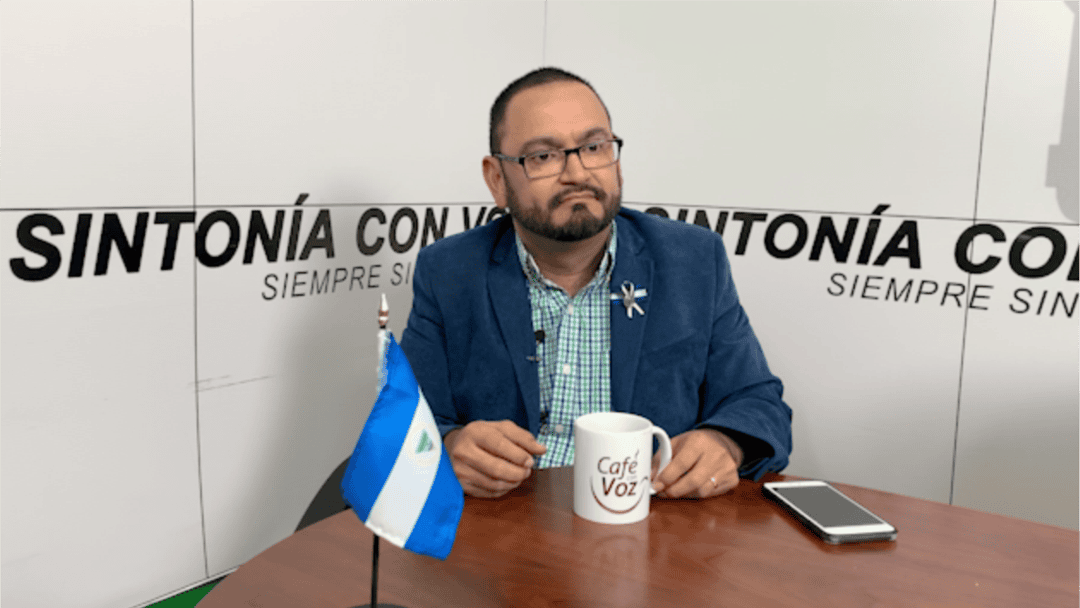
A Florida street, an ordinary Monday. For Luis Galeano, a Nicaraguan journalist, this scene of everyday work as a rideshare driver ended in his detention by U.S. Immigration and Customs Enforcement, or ICE. Galeano, 48, had been living in exile in the United States since 2018, continuing his journalism critical of the Nicaraguan government while awaiting a decision on his asylum application. His wife, Deykel Santamaria, confirmed his arrest.
The circumstances of Galeano’s detention – an asylum seeker arrested while working a common service job – echo concerns about the treatment of individuals who, having fled their home countries, attempt to rebuild lives while navigating complex immigration systems. This is not the arrest of a cartel leader in Mexico, nor is it about an Air Force major protesting in uniform or a celebrated actor's repeated encounters with the law. Galeano’s situation represents a different kind of public capture: an individual whose professional identity and claims to safety are seemingly overlooked in the operational sweep of immigration enforcement.
For Thailand and the broader Asia-Pacific region, this incident carries a particular resonance. Nations across the region frequently host individuals fleeing political instability or seeking new opportunities. The ease with which an exile, known for his critical journalism, can be detained while performing a civilian job raises questions about the perceived value of an individual's contribution versus their immigration status. If a prominent voice of dissent can be so readily categorised and removed, it suggests a narrowing space for those who live in liminal states, their past and future entangled in bureaucratic processes. The cultural signal here is not about a journalist's specific plight, but about the general vulnerability of those who carry their former lives – and threats – into new lands, finding their refuge contingent on an ever-changing legal and political landscape.
One might argue that immigration authorities operate without prejudice, focusing solely on the legal status of an individual, irrespective of their profession or past contributions. From this perspective, Galeano's journalistic background would be irrelevant to his detention, which would instead be framed as a routine enforcement action related to his pending asylum decision. However, the optics of such an arrest, particularly for a figure whose identity is tied to opposition and the pursuit of truth, inevitably draw attention to the broader implications for free expression and the treatment of those fleeing persecution. The fact that he was working as a rideshare driver, a job often taken by those seeking flexible employment while navigating other life circumstances, only underscores the precariousness.
The fundamental habit that shifted here is the public perception of the 'deserving' exile. Once, a journalist fleeing authoritarianism might have been seen as a distinct category, perhaps afforded certain considerations. Now, the distinction blurs. An individual's profession or public profile, even one associated with the defense of democratic principles, appears less relevant to the administrative processes that govern their freedom. The question becomes less about *who* is detained and more about *why* the act of detention, under these specific circumstances, is deemed appropriate, and what it signals about the expanding reach of enforcement into lives built on tenuous foundations. The street in Florida, where Galeano was detained, becomes a crucible for this tension, revealing how the act of seeking asylum can be profoundly shaped by the bureaucratic hand, even when the work of building a new life has begun.
Sources
Newsletter
Pacific Daily
A curated briefing from Thailand, Asia-Pacific and the world.