Western Sydney Hotel Development Presents Operational Stress Tests
Hilton's DoubleTree project in Parramatta integrates into a mixed-use complex, raising questions about demand, labor, and infrastructure at full occupancy.
SYDNEY
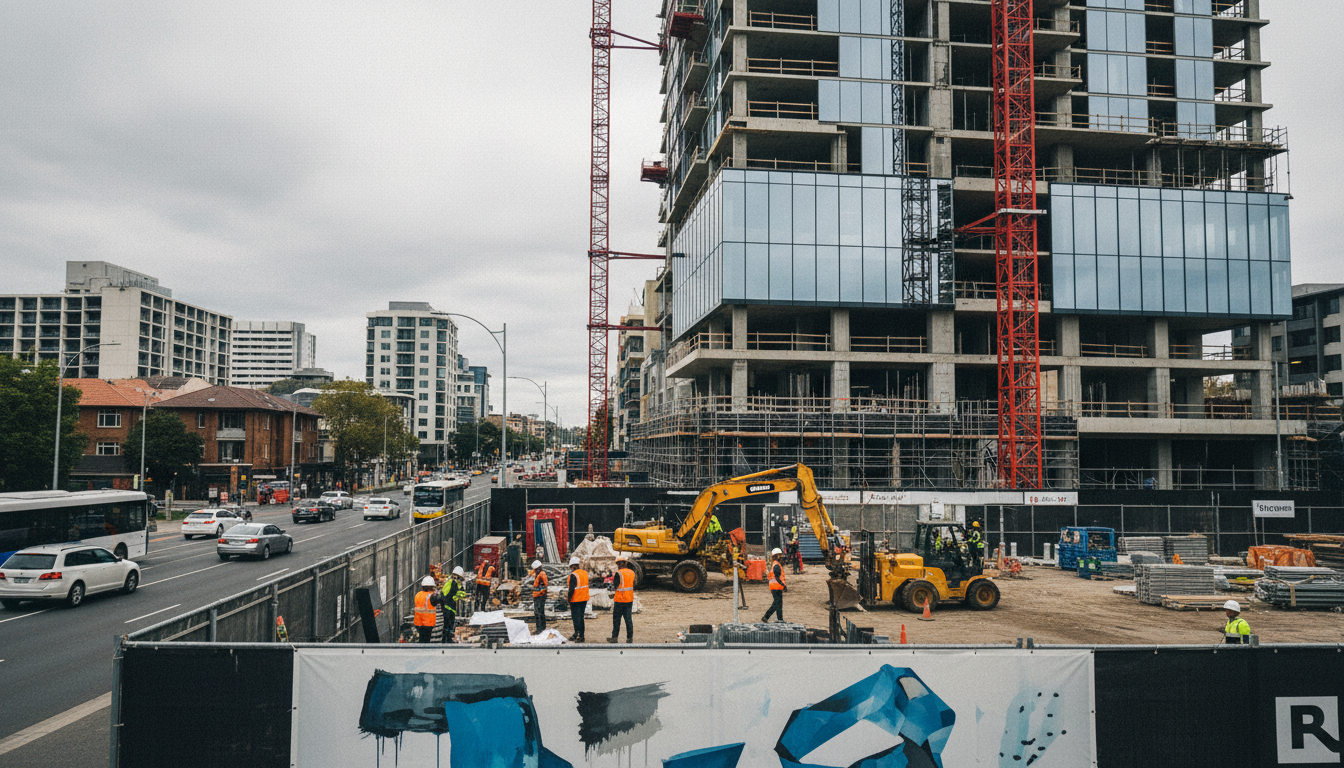
Hilton’s plan to open a 100-room DoubleTree hotel in Parramatta by late 2028 positions a new asset within one of Western Sydney’s designated growth areas. The hotel is one component of Deicorp Group’s Cosmopolitan mixed-use project, which includes 597 apartments, retail, commercial, and dining spaces. Trilogy Hotels will manage the DoubleTree, marking their third such venture with Deicorp.
While the expansion signals confidence in Parramatta’s development, the integration of a 100-room hotel into a multi-purpose complex of this scale introduces specific operational considerations. The core challenge for hotel operations, particularly in a mixed-use environment, often centers on managing peak demand for services and shared infrastructure. High occupancy in the residential and commercial components could strain common resources like parking, utilities, and access points, potentially impacting the hotel’s ability to deliver consistent service.
The hotel market in Parramatta, like many growing hubs, is exposed to the broader labor market conditions. The Australian hospitality sector has previously relied on international workers to fill positions, as observed in 2021 when Samoa and other nations supplied staff for aged care and hospitality. If this reliance continues, sustained growth across multiple sectors in Parramatta could create localized labor shortages, making it difficult for the DoubleTree to staff its operations adequately, especially during high-demand periods.
Hilton has recently focused on expansion in Asia, with one Asian country identified by CNBC in 2026 as its fastest-growing tourism market, and a reported interest in tapping rising tourism demand in China. This broader strategy indicates Hilton's drive for scale, but the Parramatta project's success is contingent on local conditions rather than regional trends.
The primary evidence supporting the project’s viability is its location within a designated growth area and its inclusion in a large mixed-use development, which suggests a built-in customer base from the apartments and commercial spaces. However, the exact interplay between residential, commercial, and hotel demand within this specific complex at full utilization remains an untested variable. The operational pressure points — infrastructure capacity, service staff availability, and the management of shared resources — will likely emerge during peak periods, revealing the true stress tolerance of the integrated design. Whether the existing infrastructure and the local labor pool can absorb the demands of a fully operational 100-room hotel alongside nearly 600 apartments and other commercial entities is the key determinant for the project's long-term operational stability.
Sources
Newsletter
Pacific Daily
A curated briefing from Thailand, Asia-Pacific and the world.