Hotel Energy Efficiency: Rebates Offer Opportunity, Capital Costs Limit Uptake
While new offerings simplify access to energy rebates, the upfront investment remains a barrier for many Asia-Pacific hotels.
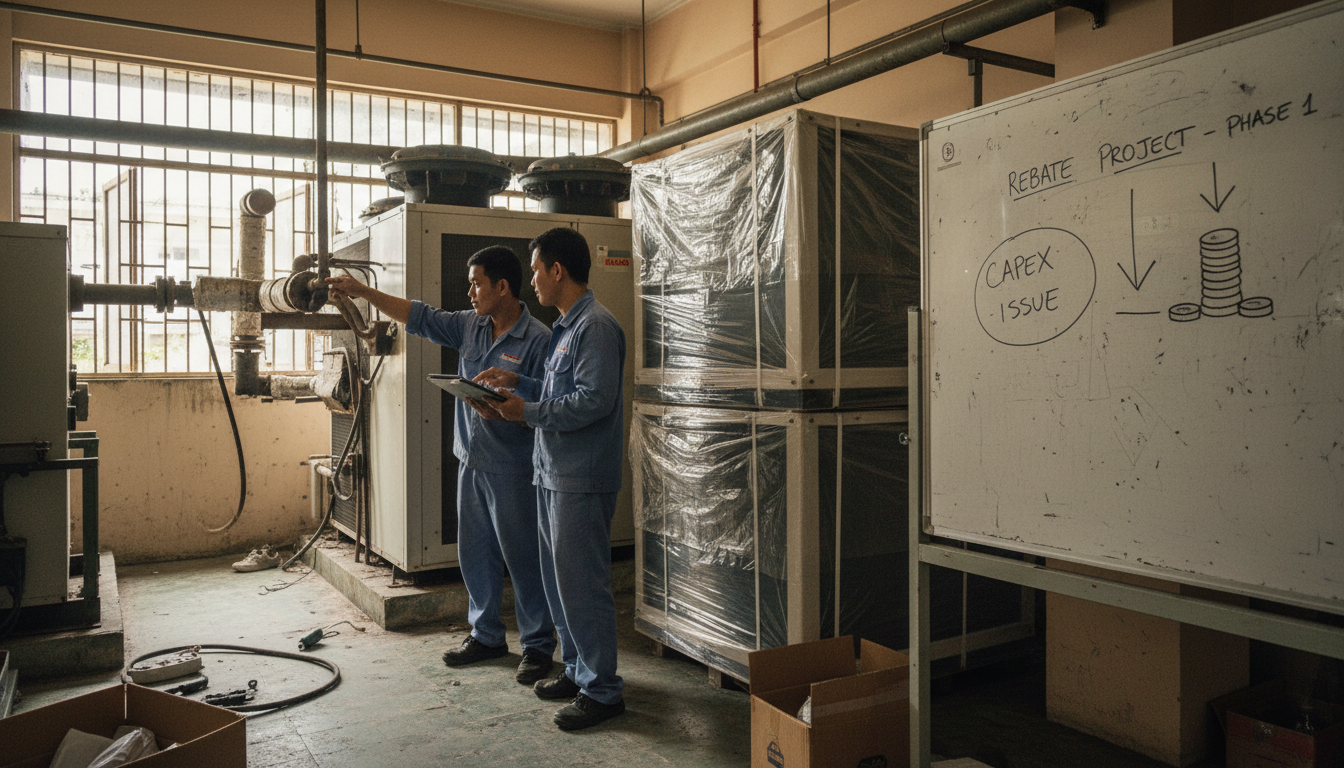
Hotel Management reports on Verdant thermostats enabling hotels to reduce energy costs and utilize rebates. This includes a fully managed application process. This offering simplifies access to financial incentives for hotels seeking to upgrade infrastructure for energy conservation. Simplified access to rebates encourages investment in technologies that reduce ongoing operational expenses, directly impacting a hotel's balance sheet. Reduced energy consumption also mitigates exposure to fluctuating energy prices.
The World Bank Group has outlined the importance of energy efficiency for 'fast-tracking affordable energy and jobs' and initiated efforts to scale up energy efficiency, including a recent initiative in Europe and Central Asia. This global institutional focus suggests a broader trend towards incentivizing energy-saving measures, which governments in the Asia-Pacific could leverage to stimulate their hospitality sectors.
However, a primary challenge for hotels in the Asia-Pacific region, including Thailand, lies in the initial capital expenditure. While rebates accelerate return on investment, they do not eliminate upfront costs. Hotels, particularly independent operators or smaller chains, may struggle to finance these initial investments, even with the promise of future savings and managed rebate processes. This financial constraint could create a competitive disparity, where larger, better-capitalized groups are quicker to adopt efficiency measures, thereby gaining a cost advantage.
Furthermore, the availability and generosity of such rebates are subject to local policy and utility provider discretion. The 'A to Z' of rebates mentioned in the source implies a complex, varied landscape. Hotels might need to navigate a patchwork of regulations and incentive structures across different countries or even within regions of a single country. This fragmentation can diminish the perceived value of a 'fully managed' application process if the underlying rebate pool is limited or inconsistent.
For Thailand, a major tourism destination, widespread adoption of energy-efficient practices in hotels could enhance its green tourism credentials, potentially attracting environmentally conscious travelers. However, this depends on robust, accessible rebate programs being established and communicated effectively by local authorities or utility providers. Without strong public sector backing, the onus remains largely on individual hotel balance sheets, which may not always align with long-term environmental goals.
The balance sheet makes it unavoidable: hotels that secure these rebates earliest will gain a discernible operational cost advantage. The outcome now depends on the extent to which Asia-Pacific governments and utility providers implement comprehensive and accessible rebate schemes, and how effectively the hospitality sector overcomes the initial capital expenditure hurdle to capitalize on these opportunities.
Sources
Newsletter
Pacific Daily
A curated briefing from Thailand, Asia-Pacific and the world.