The Olympics Cannot Fix the Capital Carrying Costs of Urban Preservation
The reopening of Los Angeles's 1914 Hotel Clark highlights the speculative bet on event-driven municipal revival across Pacific gateways.
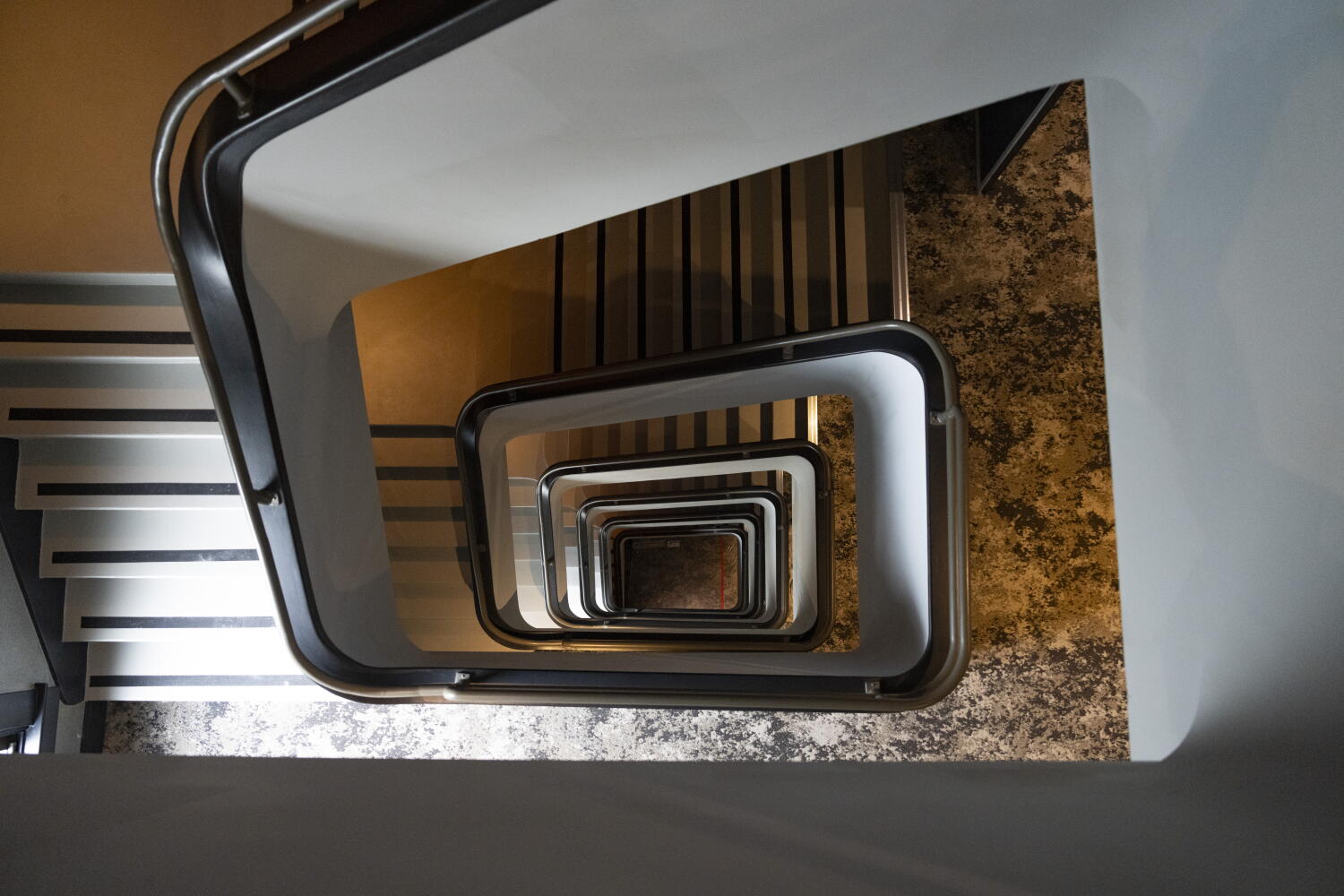
Idle properties generate zero cash flow, but bringing them online converts deferred liabilities into immediate operational debt. The 11-story Hotel Clark on Hill Street has stood in downtown Los Angeles since 1914. Observers labeled the Beaux-Arts lodging a zombie building for decades after the 1990s because paying guests never crossed the threshold. That long commercial freeze is over. Its ownership has brought the asset back into active inventory, banking on broader downtown shifts and the coming Olympics to absorb available rooms. The arithmetic exposes severe friction. Mega-events deliver brief yield spikes; they cannot permanently amortize structural carrying costs.
Real estate along Pacific gateway corridors routinely treats sovereign athletic spectacles as balance-sheet cures. That math fails basic tests.
An eleven-story plant situated between Grand Central Market and Pershing Square, now Biddy Mason Park, accrues city liabilities regardless of operational status. Absorbing false starts across decades since the 1990s drains equity. Holding an inactive shell through 2002 and beyond merely postponed the capital outlays required for commercial habitability. Ticketed athletic competitions create temporary room compression over a matter of weeks. They do not resolve baseline utility expenditure, municipal taxes or labor overhead once visitors disperse.
The Solvency Gap
Urban hospitality demands relentless occupancy to survive. Net operating income must clear fixed capital costs month after month. The vintage 1914 structure near the Angels Flight Railway carries unavoidable maintenance friction. Restoring an inactive 11-story footprint requires extensive mechanical and life-safety modernization. These outlays consume capital long before steady room rates can begin to recoup the outlay.
Downtown Los Angeles has experienced recurring municipal revitalization drives across the decades. Footfall along Hill Street remains erratic. To assume an international sporting festival will permanently lift pedestrian volume confuses a temporary surge with structural demand.
Holding physical plant through false starts extracts capital that ticketed athletic competitions cannot permanently amortize.
Advocates of adaptive reuse counter that historical real estate captures a scarcity premium. A 1914 architectural layout offers distinctive character that uniform glass towers lack. When affluent travelers prioritize heritage over corporate standardization, room yield increases. Opening ahead of an international athletic event guarantees initial visibility and secures high peak rates during the competition window.
Event-Driven Speculation
That argument neglects post-event market dynamics. Scarcity pricing cannot rescue operational inefficiency once corporate budgets and discretionary leisure travel contract. Rigid historic floor plates restrict layout efficiency and increase ongoing facility costs. When peak Olympic travel ends, the hotel must compete directly against modern hospitality inventory on standard price points and operating margins.
Other gateway cities across the Pacific rim face identical pressures. Capital routinely buys distressed historic assets, absorbs property taxes during multi-decade speculative freezes, and spends heavily on refurbishments just before international expositions or games. This pattern substitutes speculative momentum for local economic solvency. The financial exposure lands squarely on the operational years that follow.
Dormancy shielded the property from day-to-day operating deficits. Reopening exposes the asset directly to commercial market discipline. Downtown revival requires continuous local trade rather than seasonal festival compression. Survival for the 1914 Beaux-Arts enterprise now depends strictly on whether Hill Street can sustain paying foot traffic after the Olympic crowds depart.
Sources
Newsletter
Pacific Daily
A curated briefing from Thailand, Asia-Pacific and the world.