Herbal Brews and the Preservation of Wellness in Asia
Singapore's reliance on traditional remedies suggests a deeper cultural retention amidst changing environments.
SINGAPORE
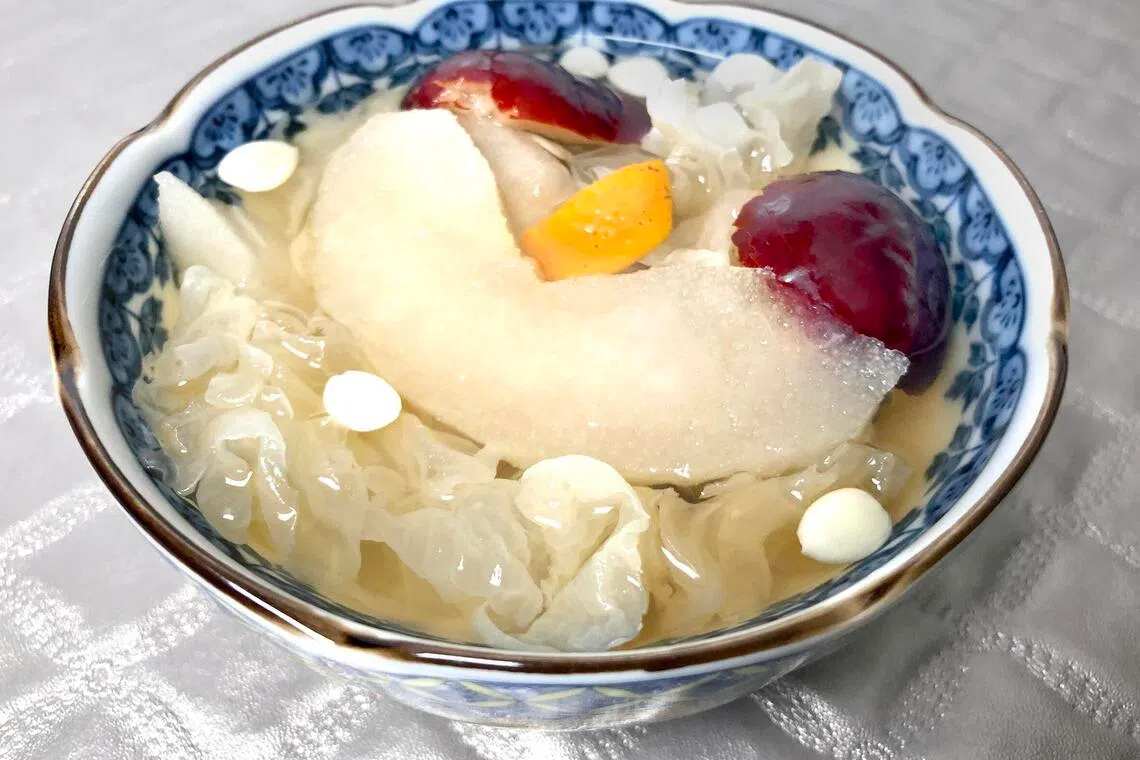
The consistent recommendation of traditional Chinese medicine (TCM) herbal brews in Singapore, particularly for common ailments like scratchy throats or coughs attributed to polluted air, offers a glimpse into a pattern that extends beyond mere symptom relief. News of such remedies, including Chinese pear and snow fungus soup, and detoxifying teas with honeysuckle and dandelion, highlights a continued cultural practice that interprets health through a historical lens. These prescriptions are not new discoveries; they are continuations of established methods, suggesting a preference for remedies that have long been integrated into daily life.
Historically, the preparation of herbal teas and soups for health maintenance has been a common practice across many Asian societies. This continuity points to a collective cultural memory where wellness is understood not just as an absence of illness, but as a balanced state achieved through regular, often food-based, interventions. The detailed guidance on dosage and suitability for various age groups, down to children over five, underscores the embedded nature of this knowledge within families and communities, passed down through generations.
The emphasis on soothing dry throats, moisturising lungs, and boosting immunity—responses to environmental stressors like haze—demonstrates a persistent reliance on these traditional practices to adapt to contemporary challenges. While the efficacy of such brews against modern environmental pollutants might prompt questions in some quarters, their persistent presence in public recommendations suggests a cultural validation that transcends purely Western medical frameworks. They exist as a parallel system of care, widely accepted and applied.
This pattern, observed in Singapore with its diverse cultural influences, also reflects a broader regional habit. Across Southeast Asia, similar herbal traditions, often localised and adapted, serve comparable purposes. The fact that these recommendations are published with specific recipes and ingredients, rather than generic advice, speaks to a desire to maintain the precision and integrity of these practices. It ensures that the knowledge remains accessible and actionable for households.
However, it is also notable that these remedies are presented as responses to conditions like 'polluted air' or 'hazy conditions,' terms that imply a contemporary environmental degradation. The very need for these traditional methods is, in some ways, a consequence of modern urbanisation and industrialisation. This creates a quiet irony: practices rooted in an older understanding of nature are now increasingly essential for navigating environments shaped by newer human interventions. The question then arises: what is preserved here, and what is quietly being replaced? The rituals of preparing these brews are preserved, but the pristine environments they once helped maintain are demonstrably altered. This continued recourse to tradition, therefore, is not merely nostalgic; it is a pragmatic adaptation to a changing world, confirming the enduring role of cultural memory in health practices, even as the world around it transforms. It suggests that for many, the comfort and familiarity of these age-old remedies offer a sustained sense of well-being, irrespective of the source of discomfort.
Sources
Newsletter
Pacific Daily
A curated briefing from Thailand, Asia-Pacific and the world.