Thai Spa Chain Expands in Vancouver, Challenges Authenticity Amid Growth
Sabai Thai Spa's ninth location in Canada's west illustrates the market appeal of cultural services, but also the complexities of maintaining authenticity at scale.
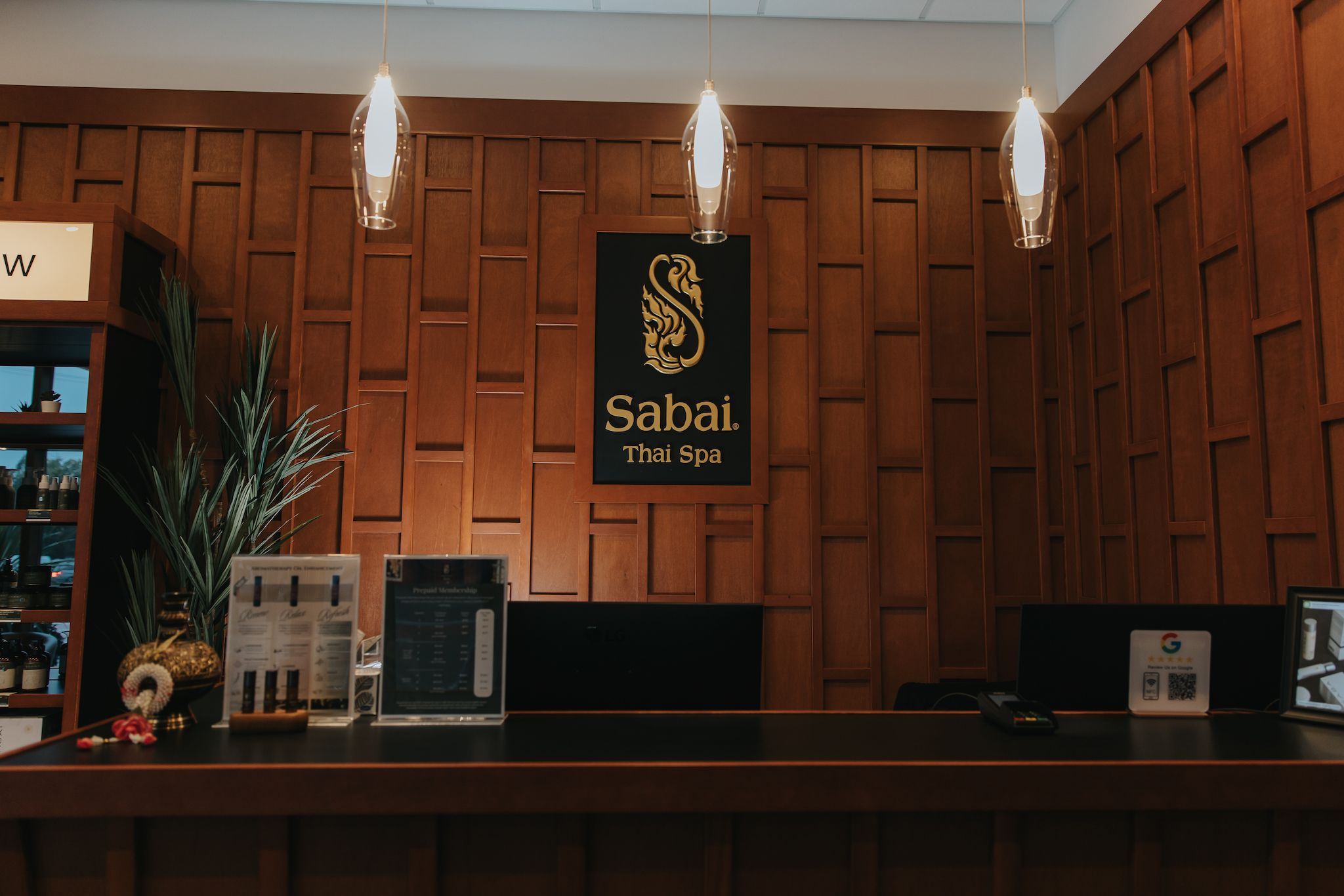
Sabai Thai Spa has opened its ninth location, establishing a new outpost at 7315 Edmonds St. in Burnaby. This expansion continues the brand's model of offering 'Thai-inspired massage services, spa packages, facials, and skincare retail products' to a wider customer base. The opening is marked by promotional offers, including a 'founding member rate' of $99 per month for the first two months for the initial 100 members, a reduction from the regular $150. A voucher also provides two 80-minute signature massages for $280, priced lower than the standard $450.
This growth in Vancouver indicates a successful adaptation of a service model rooted in Thai wellness traditions for an international market. The strategy of offering specific discounts for early adopters suggests a focus on rapid customer acquisition and loyalty building in a new area. The consistent replication of 'Thai-inspired' services across multiple locations raises questions about the methods employed to ensure service quality and cultural fidelity as the chain expands. Maintaining the techniques and atmosphere associated with Thai massage and spa treatments across nine venues, particularly when detached from their original cultural context, requires a disciplined approach to training and operational standards. The phrase 'Thai-inspired' itself, used by the company, implies a degree of interpretation rather than direct transference.
The commercial success of Sabai Thai Spa in Canada, evidenced by its significant expansion, demonstrates the global appeal of wellness practices originating from Thailand. This contrasts with economic narratives often focused on manufacturing exports like the automotive industry, which the Bangkok Post noted in 2016 was 'unlikely to harm Thai car industry' despite the TPP. Instead, this growth highlights the export of intangible services and cultural concepts. The challenge for such enterprises lies in scaling operations without diluting the core elements that define the original offering. The specific techniques of traditional Thai massage, for instance, demand a deep understanding of energy lines and therapeutic pressure points, often passed down through generations.
While the promotional pricing aims to attract new clients, it also underscores the competitive nature of the wellness market. The offer of two 80-minute massages for $280, against a regular price of $450, represents a substantial temporary reduction designed to incentivize trials. For a business built on skilled labor and specialized techniques, such aggressive introductory pricing requires careful calculation to ensure profitability while establishing market share. The long-term sustainability of maintaining 'Thai-inspired' authenticity while operating a chain of this size in a different cultural context remains a central consideration. The operational costs of replicating specific therapeutic techniques and ensuring staff competence at this scale are substantial, necessitating efficient management and robust training protocols to prevent a perceived decline in service quality after the initial promotional periods.
Sources
Newsletter
Pacific Daily
A curated briefing from Thailand, Asia-Pacific and the world.