Vancouver Incident Raises Questions on Urban Safety and Culinary Confidence
An unprovoked assault in Vancouver, a city often praised for its lifestyle, draws a sharp contrast with the perceived security that underpins its appeal as a Pacific Rim destination, including for culinary travelers.
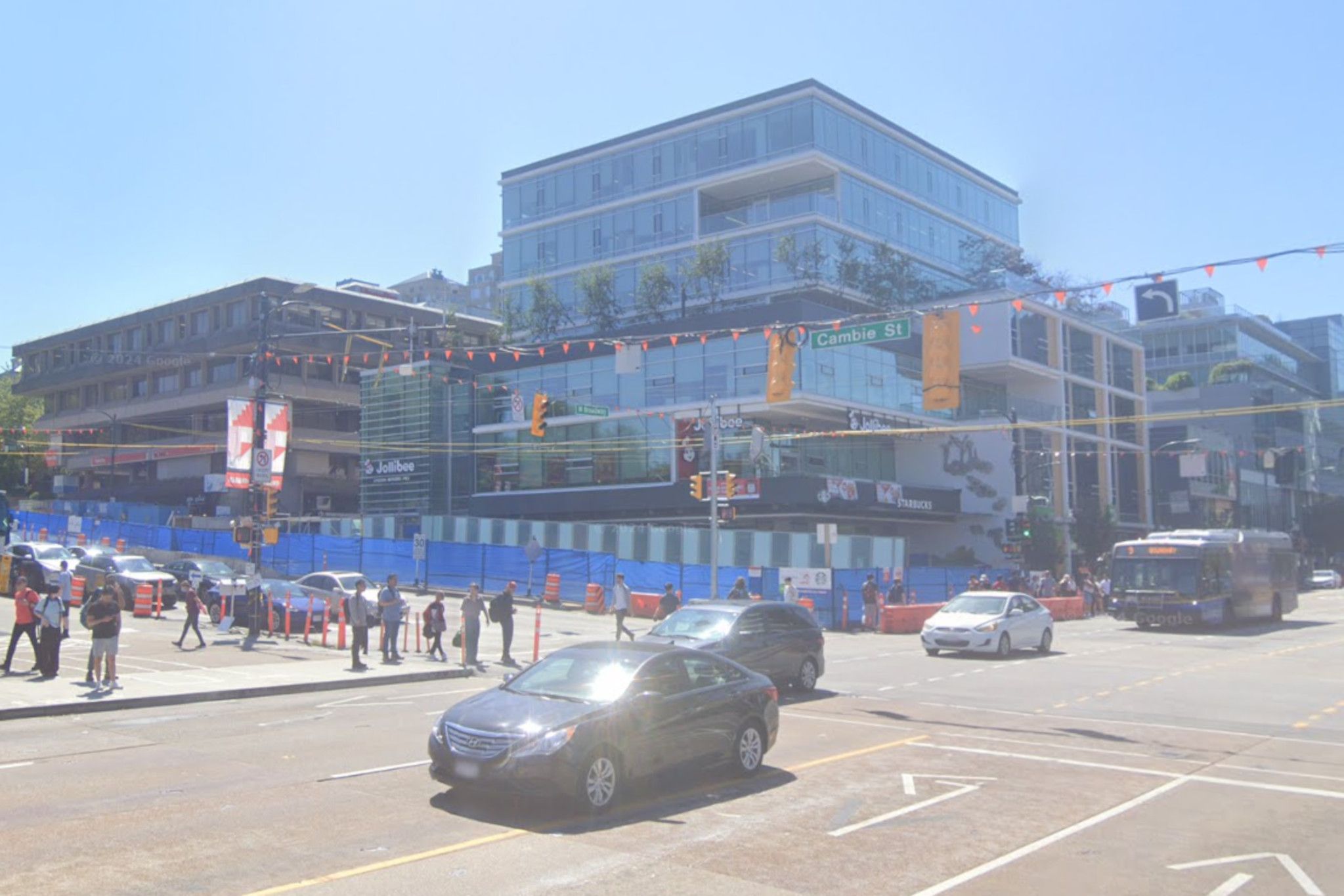
A 77-year-old woman was taken to hospital following an “unprovoked stranger attack” on Thanksgiving Monday, Oct. 12, near Cambie Street and West Broadway in Vancouver. The Vancouver Police Department (VPD) reported that a man intentionally shouldered and knocked the senior to the ground at approximately 6:30 p.m. He did not speak or offer assistance. A witness called police and remained with the victim, according to the VPD.
This incident, reported by Daily Hive Vancouver, places a spotlight on the often-unspoken foundational elements that support a city's broader appeal, including its culinary scene. For a destination to draw visitors, especially those seeking refined experiences, a basic level of public safety is assumed. This underpins the perception of quality, from the produce markets to the restaurant dining rooms. Vancouver, described by Forbes as a “perfect pre-cruise destination,” has cultivated a reputation based on various factors, including hospitality establishments such as the Fairmont Pacific Rim, which has been highlighted for its luxury amenities.
While this attack occurred on a specific street corner, its broader implication touches on the unwritten contract between a city and its visitors, as well as its residents. The idea that a senior walking at 6:30 p.m. could be subjected to such an act without warning challenges the veneer of urban tranquility that Pacific Rim cities strive to project. The confidence to explore a city, to dine out, or to simply navigate its streets relies heavily on a sense of security. Without this, the allure of even the most acclaimed restaurants or vibrant food districts diminishes.
From a culinary perspective, the supply chain for a city's dining experience extends beyond the farm and into the public spaces surrounding an establishment. The expectation of safety when sourcing ingredients, transporting staff, or welcoming diners is an invisible but critical margin. If a city’s streets are perceived as unpredictable, the economic impact on businesses that rely on foot traffic and visitor confidence can be substantial. The costs associated with securing premises, or the qualitative cost of deterring potential patrons, are rarely itemized but ultimately affect profitability and growth. The overall crime in Vancouver was reported up this year compared to 2025, though serious crimes were down, a complexity in understanding urban safety.
For a region like the Pacific Rim, where cities compete for tourism and investment, incidents of unprovoked violence, regardless of their frequency, chip away at the narrative of stability and welcome. Thailand, for instance, relies heavily on its reputation for hospitality and personal safety to attract international visitors, including those interested in its distinct culinary offerings. A breach in this perceived safety can have ripple effects, influencing travel decisions and ultimately impacting local economies that depend on a steady flow of confident consumers. The true cost of such an event is not just the medical attention required, but the erosion of trust in the urban environment itself, an essential ingredient for any thriving metropolitan culinary landscape.
Sources
Newsletter
Pacific Daily
A curated briefing from Thailand, Asia-Pacific and the world.