A Vancouver Noodle Bar Highlights Culinary Tensions
The opening of Linh Noodle Bar in Vancouver reveals the complex balance between traditional techniques, ingredient sourcing, and market adaptation in Asian cuisine.
SINGAPORE
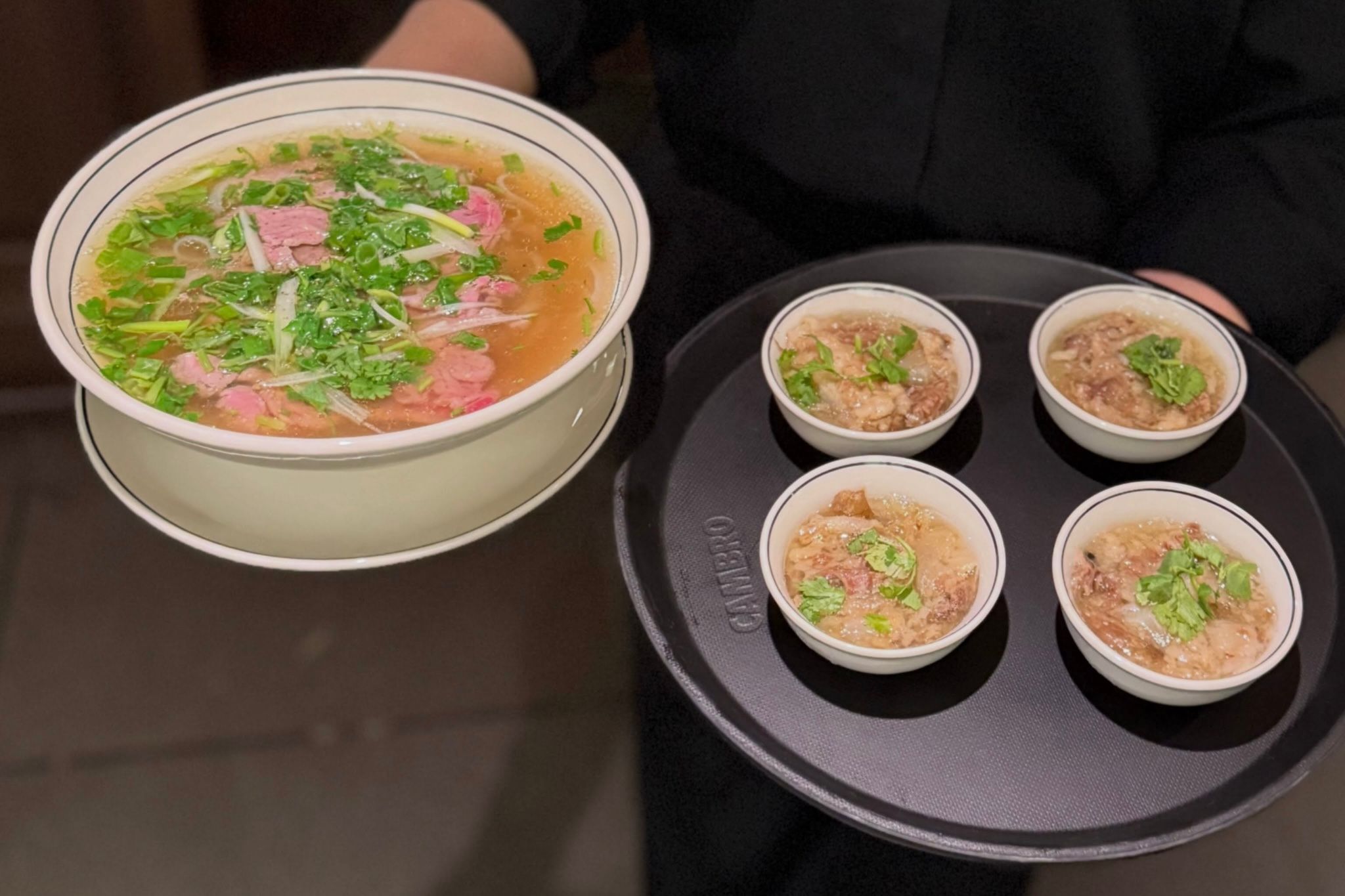
The launch of Linh Noodle Bar in Vancouver presents more than just an additional dining choice. This latest venture from the team behind Linh Cafe, a restaurant established in 2014, specifically centers on pho, aiming to celebrate what it describes as the “soulful essence of Vietnamese street and home cooking.” Such a focused emphasis on a single dish and its traditional preparation offers insight into broader culinary practices.
Linh Noodle Bar now occupies the site of the former Michelin-recommended Bacaro, which closed its doors this March after operating for five years. Its website asserts a commitment to “fresh, locally sourced ingredients and traditional flavours, thoughtfully reinterpreted with balance, precision, and authenticity.” While this phrasing is common in modern restaurant marketing, its true meaning rests on execution. The claim of “authenticity,” in particular, warrants examination when techniques and ingredients are simultaneously “reinterpreted.” The restaurant also states inspiration from “generations of family recipes and culinary traditions,” alongside an embrace of “modern craftsmanship.” This juxtaposition suggests a delicate balance between honoring the past and adapting to current tastes or practical realities.
The emphasis on “locally sourced ingredients” for a Vietnamese noodle dish in Vancouver raises significant questions for restaurants globally, including those in Thailand. The fundamental components of authentic pho—specific cuts of beef, certain spices, and particular noodle varieties—have historically relied on a global supply chain developed over decades. Substituting these for local equivalents, while commendable for sustainability, may alter the basic flavor profile diners associate with traditional dishes. The question then becomes how a restaurant maintains “authenticity” while implementing such changes. This points to an ongoing tension between the ideal of ingredient provenance and the practicalities of a globalized food system or local availability.
This Vancouver opening, though geographically distant, reflects a wider international interest in the precise techniques and ingredient sourcing of Asian cuisines. Across the Asia-Pacific region, restaurateurs frequently confront the challenge of presenting traditional dishes to diverse clientele. This often involves balancing perceived authenticity with ingredient availability and economic pressures. For a dish like pho, whose preparation is an exacting, multi-day process involving slow-cooked broths and specific garnishes, the commitment to “precision” represents a substantial undertaking. The assertion of “modern craftsmanship” may refer to efficient kitchen practices or refined presentation, but it does not clarify how traditional, labor-intensive methods are maintained or adapted in a new market.
This specific example illustrates the careful tightrope walk many establishments perform: promising a connection to culinary heritage while adapting to local markets. The success of Linh Noodle Bar will depend on its ability to define and deliver its version of “authenticity” and “precision” in a way that resonates with diners without diluting the traditions it aims to celebrate. What remains uncertain is the exact methodology for balancing these objectives, and what concessions, if any, are made in the name of local sourcing or modern craftsmanship. The restaurant’s interpretation of these ideals will ultimately shape its culinary identity.
Sources
Newsletter
Pacific Daily
A curated briefing from Thailand, Asia-Pacific and the world.