Vancouver's Michelin Guide Expansion Signals Regional Gastronomy Shifts
The 2026 Michelin Guide's elevation of AnnaLena to two stars in Vancouver reflects broader dynamics in how culinary recognition shapes food scenes across the Asia-Pacific.
SINGAPORE
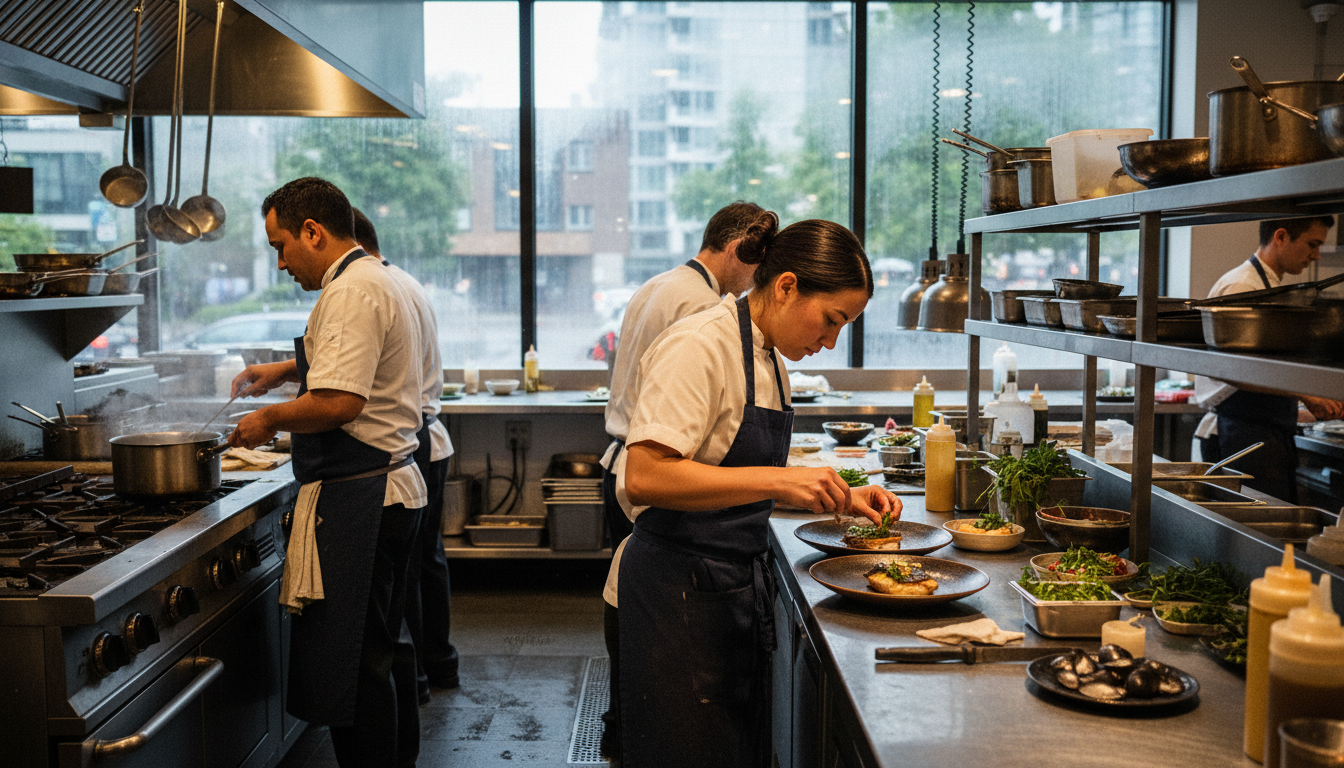
The 2026 Michelin Guide for Vancouver brings a notable development: AnnaLena received two Michelin Stars, marking it as the city’s first restaurant at that level. The guide also added new eateries, expanding the roster of recognized establishments. This formal recognition highlights a specific evolution within Vancouver’s dining landscape, where a global standard of culinary assessment is now more deeply embedded.
Such an expansion of the Michelin footprint, even in a city far from Bangkok, holds implications for the Asia-Pacific region. Michelin's methodology, which emphasizes ingredient quality, mastery of cooking technique, flavor harmony, the chef's personality, and consistency, places a measurable value on certain culinary practices. When a city like Vancouver gains its first two-Michelin-star restaurant, it does not merely signify local achievement; it also reinforces a particular definition of gastronomic excellence that is increasingly influencing other urban centers.
Consider Thailand, where culinary traditions are deeply rooted and diverse. The Michelin Guide’s presence in Bangkok and other Thai cities has generated considerable discussion. While it elevates certain establishments to international prominence, it also raises questions about the prioritization of specific techniques or ingredient sourcing over others. The recognition of AnnaLena, for instance, emphasizes a contemporary, technique-driven approach. This can draw attention to a refined style of cooking that may or may not align with the broad spectrum of traditional Thai culinary arts.
One could argue that the guide’s expansion provides a framework for quality, encouraging restaurants to pursue higher standards. Yet, the cost of sustaining a Michelin-recognized establishment often involves significant investment in specialized ingredients, training, and operational precision. These are resources not always readily available to every restaurant, particularly those deeply embedded in local food cultures that prioritize accessibility and tradition over formal dining distinctions. The Food and Agriculture Organization noted in April 2026 discussions on agrifood challenges in vulnerable Asian and Pacific countries, highlighting a different set of priorities for many food systems in the region.
While the Michelin Guide provides a global benchmark, its growing influence prompts ongoing assessment. The question for the Asia-Pacific region remains how local culinary identities will integrate with, or diverge from, these global metrics. The guide's continued expansion suggests that its particular lens will become a more permanent feature of how regional dining scenes are understood, inviting chefs and restaurateurs to navigate between global recognition and local authenticity.
Sources
Newsletter
Pacific Daily
A curated briefing from Thailand, Asia-Pacific and the world.