Strategic Rebuilds: From the Rink to Regional Finance
The language of disciplined process, even in the face of inevitable losses, reflects broader shifts in how Asia-Pacific addresses systemic challenges.
SINGAPORE
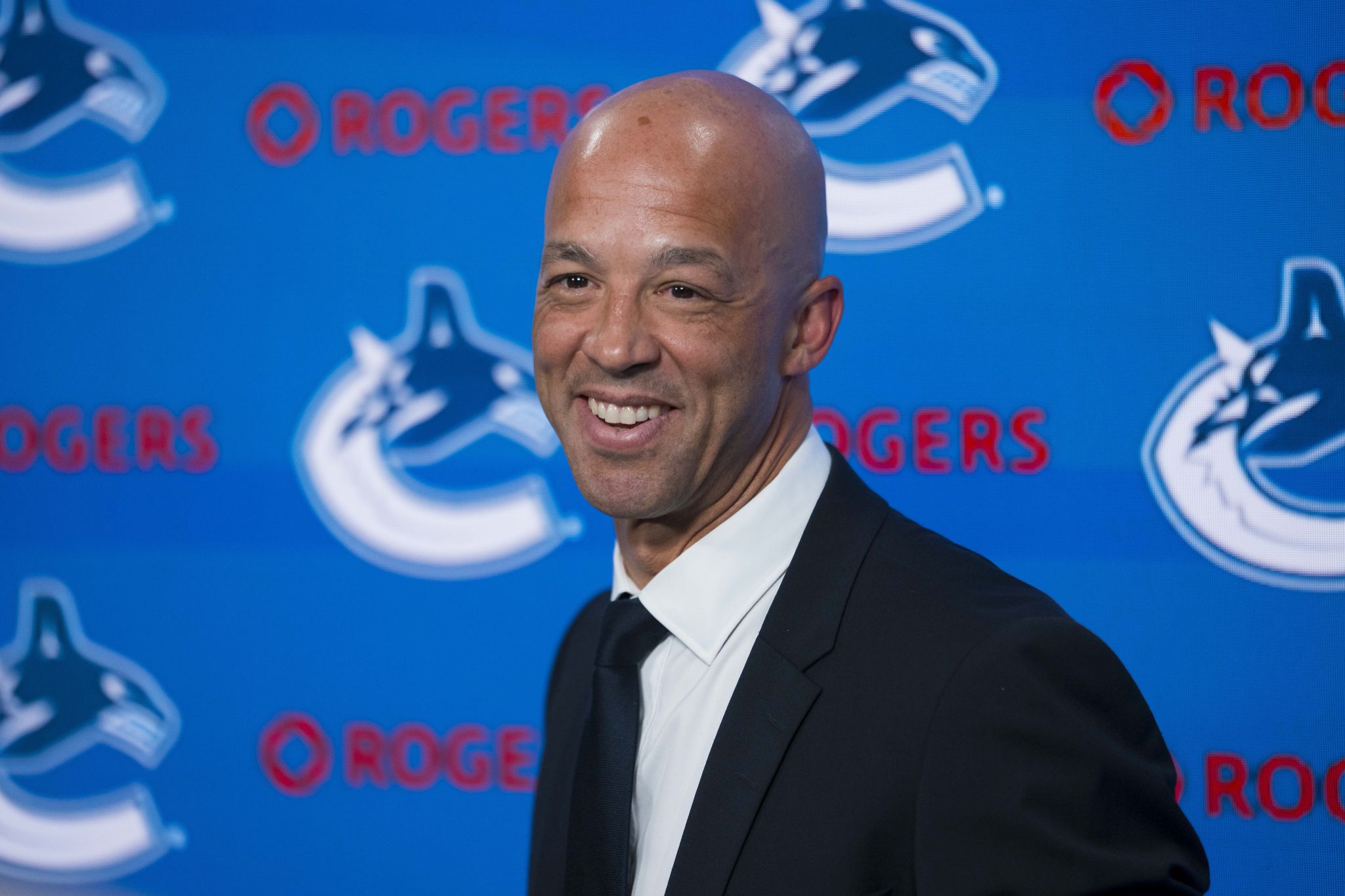
A Vancouver hockey team, the Canucks, is reportedly entering the 2026-27 season with a 'refreshed philosophy.' New head coach Manny Malhotra stated that the team ‘likely won’t win a lot of games next season,’ yet emphasized a significant difference between ‘losing games, which is inevitable,’ and ‘playing losing hockey.’ He spoke of measuring the group on ‘playing the right way,’ focusing on ‘details’ and ‘having details to your game.’ This framing suggests a strategic overhaul, prioritizing foundational processes over immediate, tangible victories.
The emphasis on structure and detail, even with an acknowledgment of forthcoming short-term setbacks, offers a lens through which to examine broader shifts in Asia-Pacific’s economic and strategic landscape. India’s central bank, for instance, in June 2026, adopted a specific approach to defend its faltering rupee, opting to 'hold fire on rates' while intervening. This technique prioritized targeted, detailed action over broader, aggressive interest rate hikes that could introduce wider instability. It signals a preference for internal structural adjustments rather than immediate, reactive macroeconomic maneuvers, mirroring the disciplined, long-term perspective described in the hockey team's approach.
The appointment of individuals with specific financial expertise into critical leadership roles further illustrates this pattern of deliberate alignment. The central bank in India, for example, appointed Revenue Secretary Sanjay Malhotra as its new governor in December 2024. Such placements suggest an institutional commitment to building capability and implementing detailed strategies, rather than relying on less structured or ad-hoc interventions. It aligns with the idea of 'getting the rebuild on track' through personnel with a coherent plan, as mentioned in the sports context.
However, the central tenet articulated by Malhotra – that 'losing games is inevitable' during such a rebuild – presents a significant tension when applied to economic realities. While a sports team might accept a period of low performance to build for future success, the economic sphere often affords no such grace. Economic ‘losses’ carry immediate, substantial implications, impacting livelihoods and capital flows directly. The market’s response to a perceived period of intentional underperformance, or ‘rebuild,’ could be punitive, leading to investor skepticism or capital flight, rather than understanding.
What this parallel reveals is the underlying cost of committing to a 'right way' strategy. The technique of prioritizing foundational health and disciplined processes over immediate market approval is increasingly evident across various domains, from sports to national economic management. Yet, the price of this discipline, particularly in an interconnected global financial landscape, remains a considerable and often immediate constraint. The British minister for Indo-Pacific seeking more cooperation with Singapore in tech, defence and energy by October 2025 further underlines external interest in robust, structured partnerships, yet does not alleviate the internal pressures of a deliberate, slower build. This episode suggests a growing, albeit perilous, commitment to long-term systemic integrity, accepting that short-term statistical triumphs may be deferred in favor of a deeper, more resilient foundation.
Sources
Newsletter
Pacific Daily
A curated briefing from Thailand, Asia-Pacific and the world.