Holiday Dining Out: A Permanent Shift for Asia's Hospitality
Vancouver's Thanksgiving dining trend signals a broader consumer preference for convenience over tradition, posing both opportunity and cost for Asia-Pacific operators.
SINGAPORE
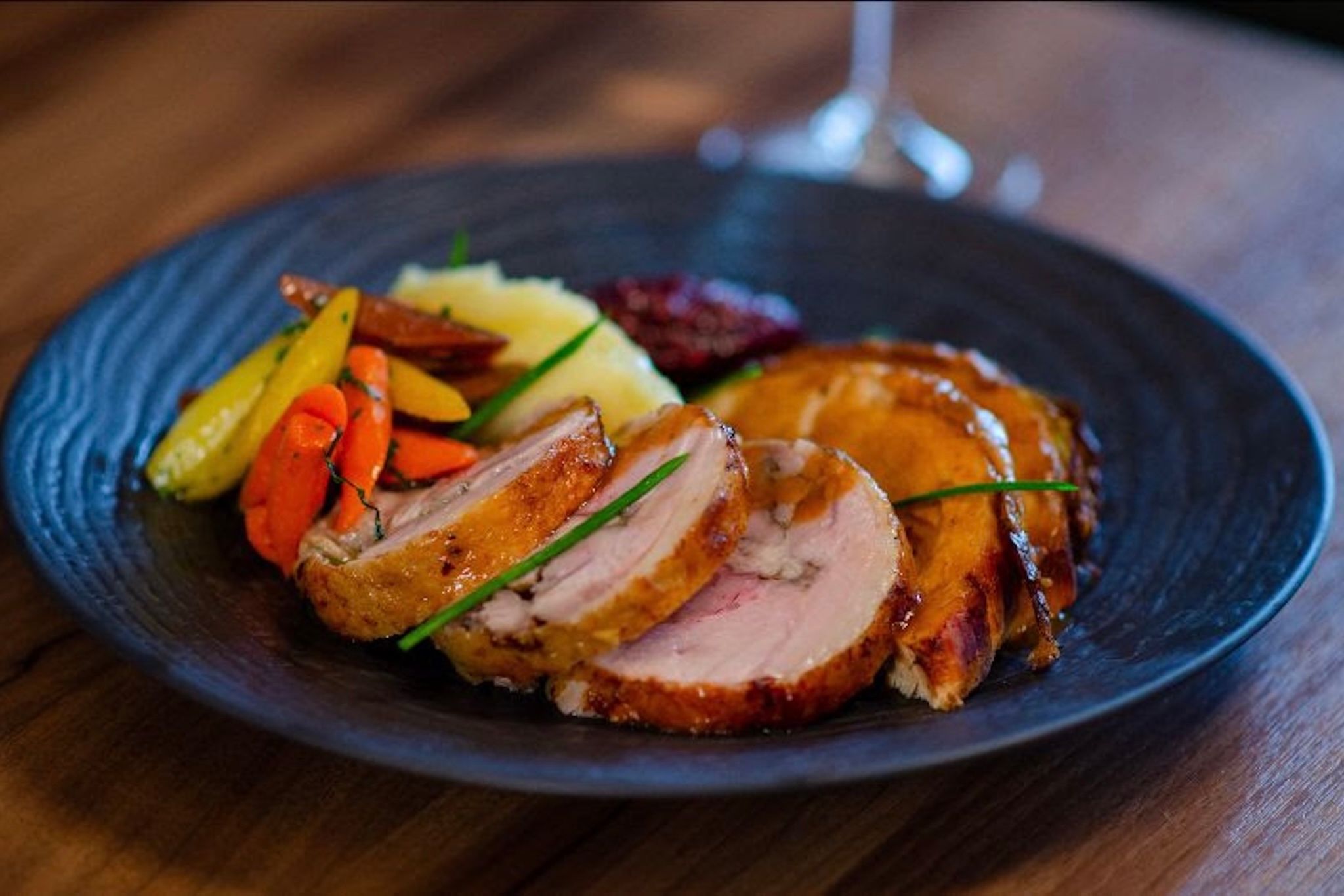
The choice to forgo cooking for Thanksgiving in Vancouver, opting instead for a restaurant meal, illustrates a shift in consumer behavior. As reported by Daily Hive Vancouver on October 3, 2026, this preference for dining out extends beyond avoiding dish duty. It indicates a demand for convenience and a curated experience, directly impacting the hospitality sector.
Traditional holiday meals often demand significant time for planning, shopping, preparation, and cleanup. When consumers choose restaurants, they effectively outsource these burdens. This trend is not confined to Western holidays or cities. Across Asia, where festive periods also involve elaborate meal preparations and family gatherings, similar shifts are emerging. This is driven by changing lifestyles and increased disposable income. While the specific occasions vary, the underlying incentive for convenience remains consistent.
Hospitality businesses across the Asia-Pacific region face new opportunities from this evolving consumer mindset. Offerings such as "Family Dinner" packages, "Thanksgiving brunch buffets," or even non-traditional alternatives like "seafood boils" described in the Vancouver report address a desire for varied culinary experiences without domestic effort. This allows establishments to innovate holiday menus, moving beyond standard fare to attract a wider clientele. Forbes noted in 2022 that Asia Pacific was leading the way for Marriott in 2023, indicating a robust market for hospitality services.
However, success depends on more than simply providing an option. The profitability of a restaurant's holiday offering hinges on operational efficiency and pricing strategy. Customers paying a premium for a holiday meal expect value in both food quality and service. Maintaining margins requires careful calculation of food costs, labor, and anticipated occupancy rates. A poorly executed holiday service, marked by long waits or compromised quality, can damage reputation. Increased demand during peak seasons must be met with adequate staffing and supply chain resilience.
Local culinary traditions, such as those observed during Lunar New Year or Songkran, often center on home-cooked meals. Persuading consumers to shift these traditions to a restaurant setting requires not just convenience, but also an enhanced experience, perhaps integrating cultural elements or unique festive menus. The challenge for hospitality providers lies in offering an alternative that elevates the holiday, rather than merely replacing a home meal. The sustained adoption of dining out for celebrations will ultimately depend on the industry’s capacity to consistently deliver on this promise, balancing guest expectations with operating costs.
Sources
Newsletter
Pacific Daily
A curated briefing from Thailand, Asia-Pacific and the world.