Urban Fiscal Techniques: The Cost of Immediate Relief
A Vancouver political platform highlights a dilemma for cities globally, including those in Asia-Pacific, balancing present appeal with future solvency.
SINGAPORE
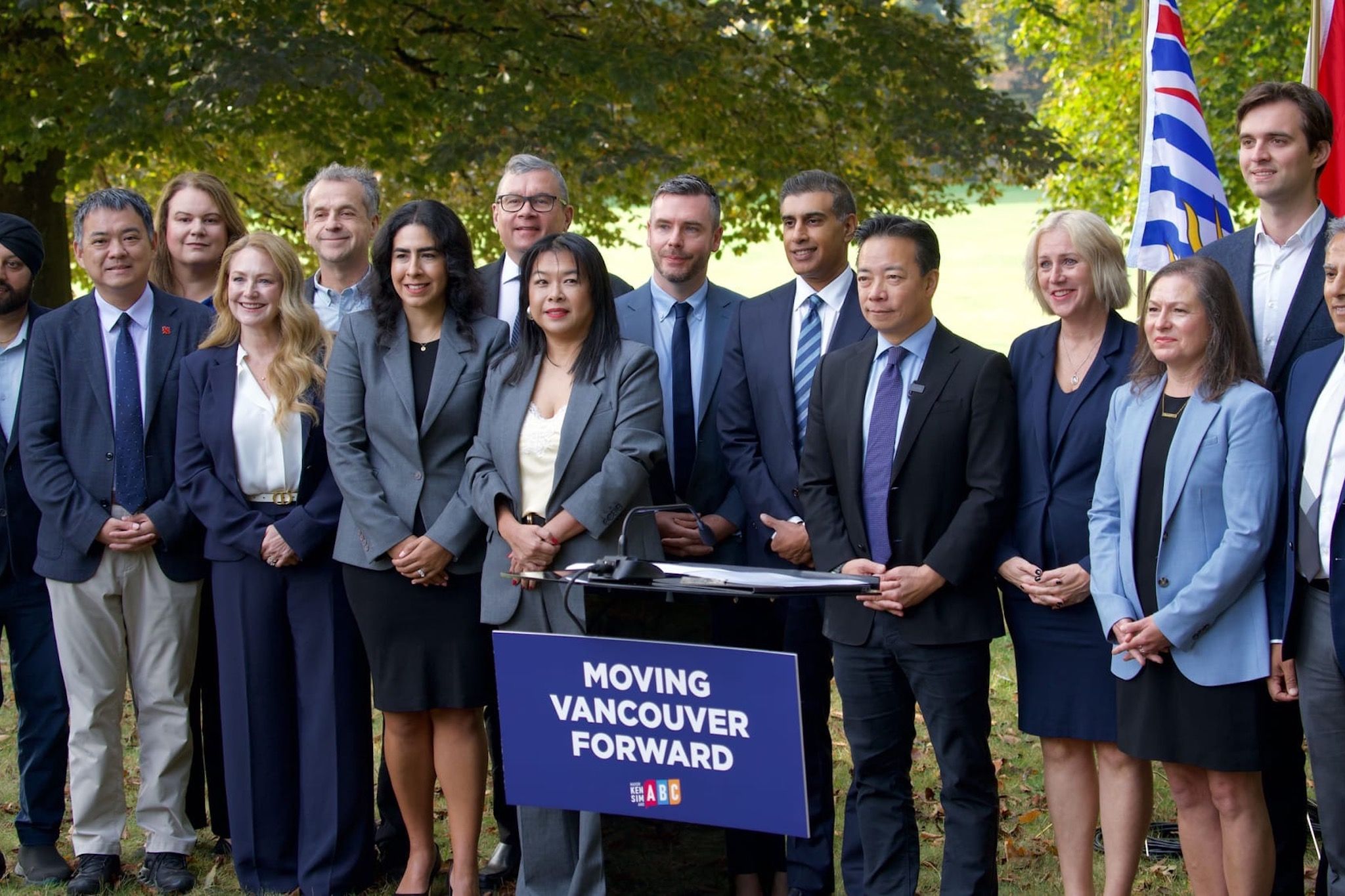
The ABC party’s recently released platform, developed for an upcoming civic election, outlines a series of commitments that, while specific to Vancouver, resonate with fiscal and governance challenges faced by urban centers across the Asia-Pacific region. These proposals include a second consecutive annual property tax freeze for 2027, an end to residential parking permit fees at beaches and community centers, and the development of new public swimming pools. The party, led by Mayor Ken Sim, campaigns under the slogan “Let’s Keep Vancouver Moving Forward,” advocating for closer cooperation across Vancouver City Council, Vancouver Park Board, and Vancouver School Board, with pledges ranging from enhanced restrictions on public drug use to swimming lessons during school hours and improvements for aging community centers.
This approach, prioritizing direct financial relief and new amenities, represents a common political technique: offering immediate, tangible benefits to the electorate. The promise of a property tax freeze, for example, directly addresses a significant cost for residents. Similarly, eliminating parking fees could encourage greater public facility use. Such measures can be politically effective in the short term. However, this strategy inherently limits the primary revenue stream for municipal services, which is property taxation.
The implications of such a technique are significant. Freezing a core revenue source demands either service reductions, increased reliance on alternative, potentially less stable, funding mechanisms, or a deferral of crucial infrastructure maintenance and upgrades. The platform itself mentions “improvements to aging community centres,” which creates a tension: the stated need for upgrades conflicts with the proposed limitations on funding that would typically support such improvements. This situation is not unique to Vancouver. In rapidly urbanizing areas across Southeast Asia, local governments frequently confront similar pressures to offer concessions while simultaneously struggling to finance necessary public infrastructure and services amid population growth and the complexities of revenue generation.
While proponents might argue that reducing financial burdens on residents could stimulate local economic activity, the long-term costs often become obscured or deferred. A property tax freeze, while popular, does not remove the underlying need for sustained funding necessary for urban development and maintenance. Instead, it shifts the financial burden, potentially onto future generations or by compromising the quality and availability of public services that must operate with constrained resources. The challenge for cities, whether Vancouver or other major urban hubs in Asia-Pacific, lies in navigating the public desire for lower costs against the continuous investment required to maintain and enhance public spaces and services, from park boards to new swimming pools. The effectiveness of a technique that prioritizes present relief over future financial stability remains a critical question for sustainable urban governance.
Sources
Newsletter
Pacific Daily
A curated briefing from Thailand, Asia-Pacific and the world.