Historical Precedent and Persistent Identity in Asia-Pacific Diasporas
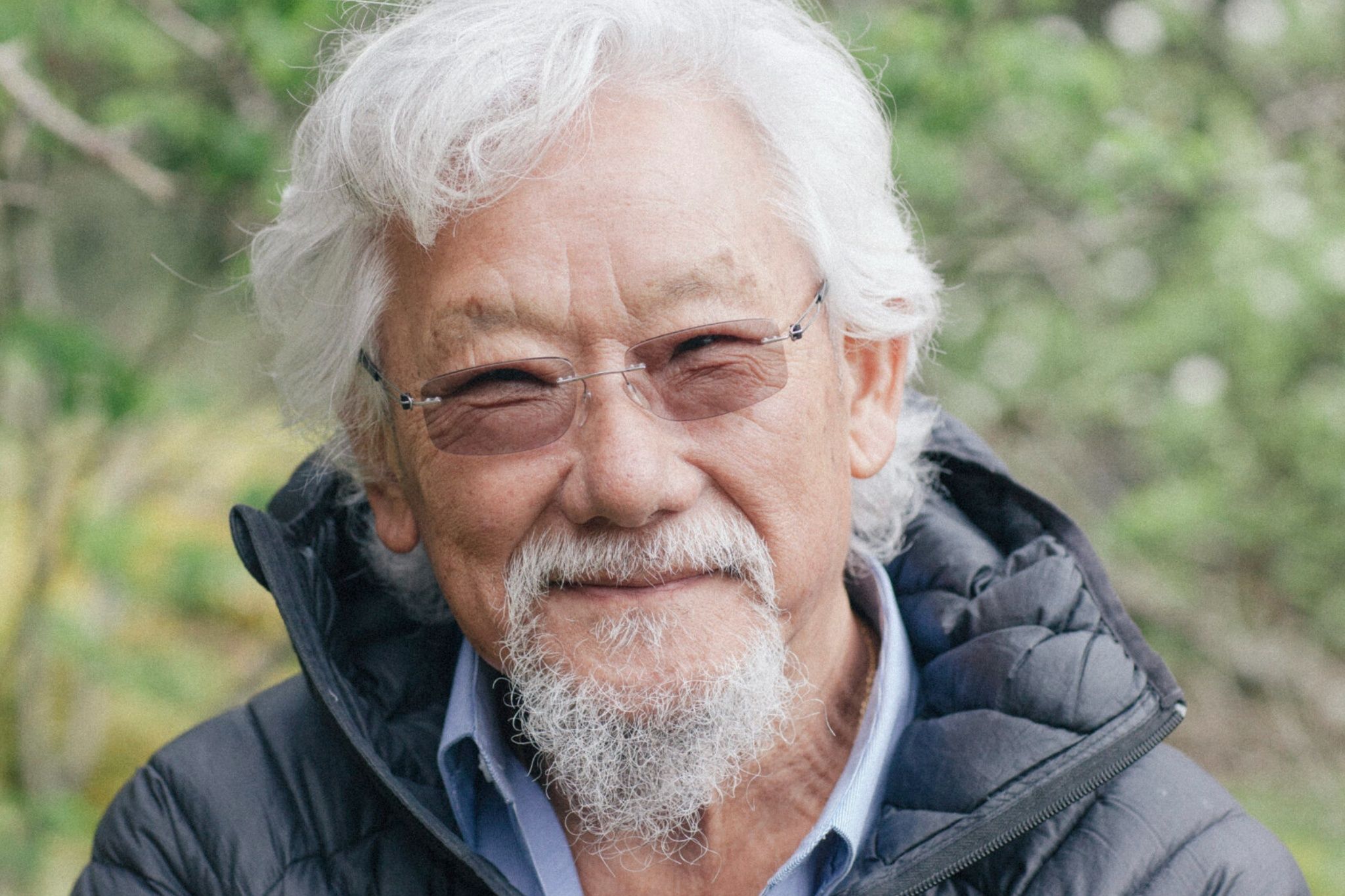
David Suzuki's account of forced displacement by the B.C. government illuminates the durable impact of state actions on ethnic communities.
SINGAPORE
David Suzuki's description of his family's forced relocation by the B.C. government in 1942, despite his birth in Vancouver in 1936, establishes a critical precedent for understanding the lasting effects of state-mandated displacement. Suzuki recounts being six years old when his family, among thousands of other Japanese Canadians, was incarcerated in an internment camp following the declaration of the Second World War and the attack on Pearl Harbor. His statement, “B.C. kicked us out of the province,” underscores a direct state action that compelled his family to relocate to London, Ontario, after the war. This narrative challenges simple interpretations of immigration and national identity, particularly for populations within the Asia-Pacific region.
While the specific incident concerns Japanese Canadians in the 1940s, the underlying mechanism—a government's capacity to declare a group alien despite birthright citizenship, followed by their forced displacement—holds relevance. It highlights how national identity, often perceived as fixed, can be rendered conditional by state authority. The potential for state rhetoric to diverge from historical experiences persists. This dynamic contrasts with current financial discussions, such as the Bank of Japan raising interest rates to a 31-year high, reported in September 2026. Such economic developments represent present-day pressures and alignments.
The counterargument posits that this specific historical event, occurring over eight decades ago in a different geopolitical context, may not directly inform contemporary Asia-Pacific dynamics. The current environment includes significant economic and political interdependencies. These developments suggest a focus on present-day economic and strategic alignments rather than historical grievances. From this perspective, the Suzuki account serves as a historical footnote rather than a predictive model for current state actions.
However, the persistent emotional and identity-forming impact articulated by Suzuki, who, despite his experience, now calls Vancouver home, reveals that the consequences of such state actions are not contained by time. The incident demonstrates the enduring vulnerability of diasporic populations to state power, and the complex process through which individuals reconcile forced displacement with a sense of belonging. This account, while potent for historical understanding, does not provide specific financial or market data to quantify its direct contemporary economic impact in Asia-Pacific luxury markets. It instead offers a qualitative insight into the historical underpinnings of identity and belonging, which can influence long-term consumer sentiment and community investment patterns, particularly for those with ancestral ties to affected regions.
Sources
Newsletter
Pacific Daily
A curated briefing from Thailand, Asia-Pacific and the world.