Dockside Realities Challenge the Pacific Reach of Inclusive Sailing
A showcase regatta in Portugal highlights the structural divide between international sporting calendars and regional slipway infrastructure.
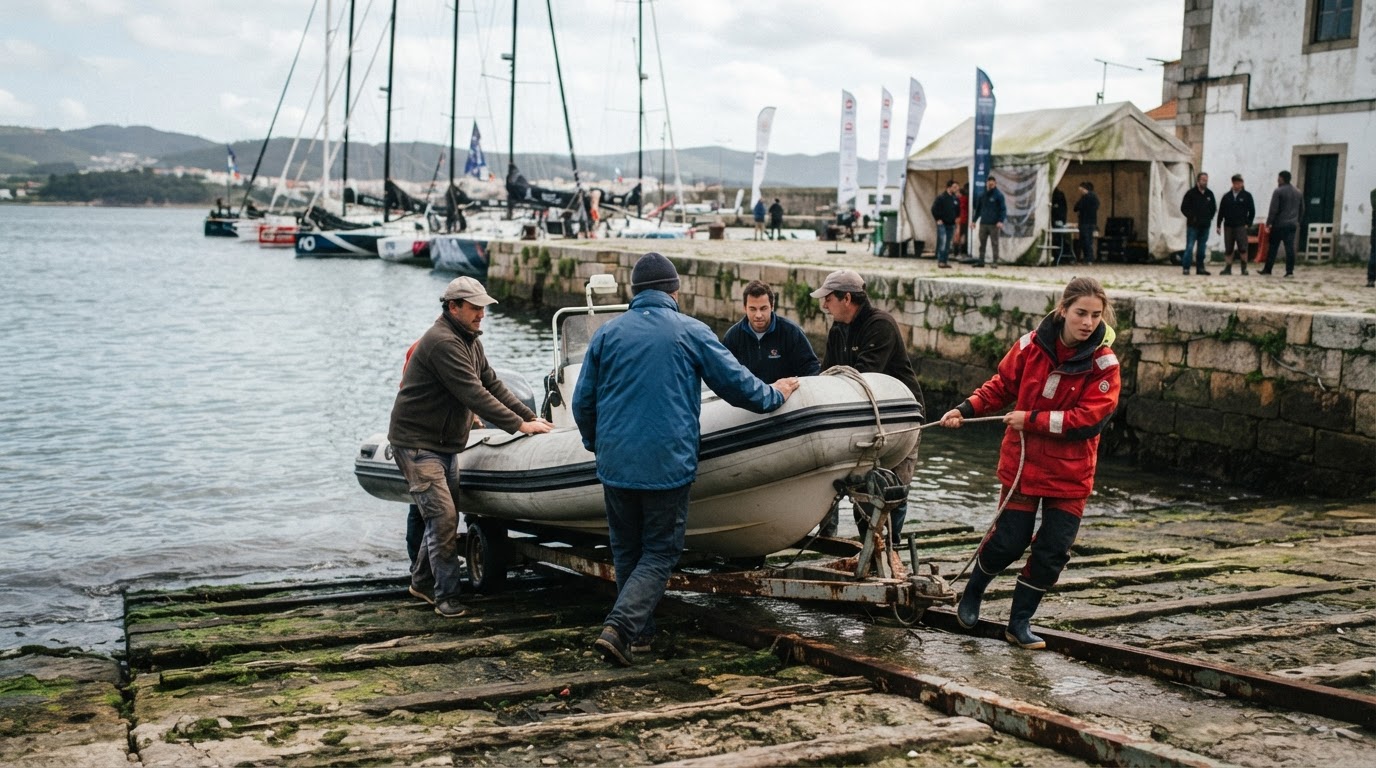
Harbour infrastructure determines participation long before any competitor reaches a start line. When the 2026 World Sailing Inclusion Championships gathered competitors in Portimão, Portugal, the event was presented as clear evidence of expanding international reach for Para Inclusive sailing. The gathering brought athletes from across the globe into a single competitive fleet, demonstrating that technical racing formats can accommodate diverse physical requirements. Yet looking at the event from the Pacific, the distance between an Iberian showcase and the day-to-day operation of regional yacht clubs remains vast.
Regatta logistics reveal how maritime economics actually function. Transporting specialized dinghies, adaptive rigging and support personnel across hemispheres requires substantial institutional capital. While European venues benefit from mature marine supply chains, contiguous road freight networks and accessible marina berths, Pacific competitors must confront fragmented maritime transport networks. Staging an elite inclusion championship in Portugal provides institutional legitimacy, but it simultaneously exposes the logistical isolation of sailing communities across the Pacific.
The Slipway Deficit
Marina economics rarely favor low-margin accessibility upgrades. Pontoon designs, transfer hoists and wide-gangway dock layouts demand significant capital expenditure that private marina operators have little commercial incentive to provide. In commercial marine facilities across Australia and the wider region, berthing rates reflect real estate pressure rather than athletic development. Without dedicated municipal subsidies or mandates, accessible berths remain scarce anomalies rather than standard operating procedure.
Institutional federations frequently mistake successful peak-level regattas for grass-roots adoption. While corporate forums like the GCNT Expo in Bangkok highlight inclusive growth and broad governance objectives, concrete maritime development requires sustained physical investment at the waterline. An athlete cannot train for an international campaign without daily access to a compatible pontoon, a functional hoist and reliable shore-side storage. When national federations concentrate their limited competitive travel budgets on a single distant fixture in Portugal, domestic club programmes lose the resources needed to lower structural barriers at home.
Showcase regattas measure federation intent, but daily participation is decided by concrete pontoon engineering.
Skeptics of decentralized funding will counter that global pinnacle events are indispensable. Concentrating the world fleet at Portimão creates a critical mass of competitors that secondary regional regattas simply cannot replicate. A consolidated international championship gives adaptive classes visibility and forces class rule standardization, creating clear measurement criteria for boatbuilders and naval architects worldwide. From an administrative viewpoint, a prominent European gathering offers the most efficient stage to attract commercial backing and establish international technical credibility.
The Pacific Reckoning
That argument fails to address the geography of sailing attrition. When participation requires self-funded intercontinental transport for specialized equipment, elite Para Inclusive sailing risks becoming the exclusive domain of well-resourced Western European teams and heavily subsidized national bodies. Pacific athletes who cannot secure commercial patronage or federation stipends find themselves structurally excluded before a regatta notice is even issued. The physical vessels may be engineered for universal access, but the logistical corridor connecting the Pacific to southern Europe is not.
If the sport intends to convert international ambition into durable regional presence, the focal point must shift from distant host ports to local slipways. Expanding international competition requires verifiable investment in Pacific boatyards, regional regatta circuits and standardized dockside access points. Until regional marine facilities install the fundamental hoists, ramps and adapted pontoons required for everyday training, world championships staged in European waters will remain distant exhibitions rather than catalysts for widespread local participation.
Sources
Newsletter
Pacific Daily
A curated briefing from Thailand, Asia-Pacific and the world.