Azimut’s Dealer Strategy Tests the Operational Realities of Pacific Yachting
Appointing The Nautical Group in New Zealand reveals how European boatbuilders depend on local service networks to anchor remote regional demand.
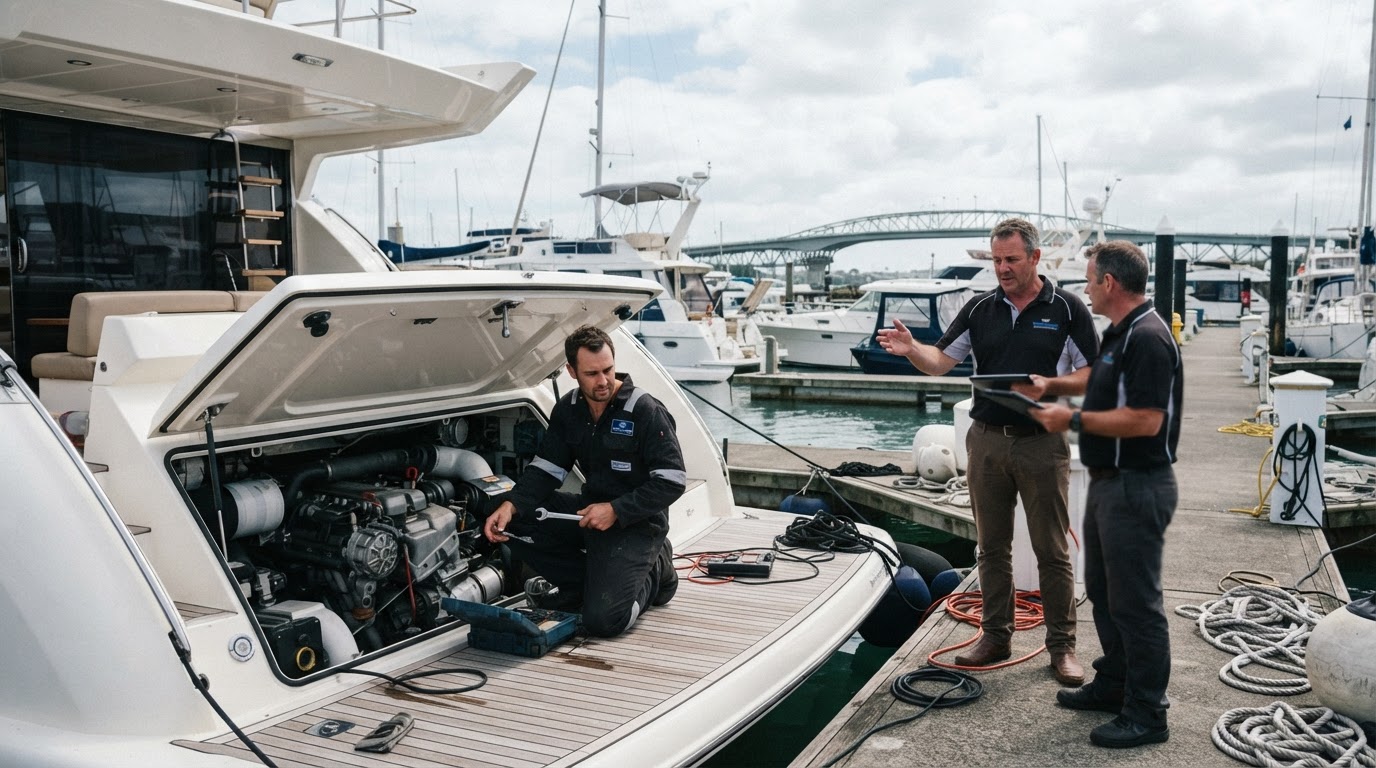
Azimut has appointed The Nautical Group as its exclusive Dealer in New Zealand, assigning the partner responsibility for sales, assistance, and owner support. Corporate releases routinely treat appointments of this type as standard commercial expansions. Viewed through a technical lens, the agreement tackles an enduring structural friction in leisure marine operations: the distance separating long-range vessel manufacturing from the physical maintenance networks of the Pacific.
Establishing an exclusive local pipeline for assistance and owner support is primarily a defensive operational necessity. Modern production hulls carry sensitive digital switching, complex climate control machinery, and integrated mechanical propulsion units that cannot rely on generalist repair labor. When an international builder distributes vessels to New Zealand, onboard systems must withstand relentless salinity, intense seasonal use, and extended separation from original equipment suppliers. The Nautical Group must establish the mechanical competence and component pipeline needed to prevent complex platforms from suffering extended downtime. Warranty support in recreational boating functions as the primary barrier protecting brand residual value.
Logistical Friction Across Pacific Routes
Shipbuilders have tracked expanding interest throughout the Asia Pacific basin. Azimut Benetti leadership has described the Asia Pacific market as an important frontier for leisure craft, matching regional shifts that saw surging sales recorded during earlier pandemic periods and emergent purchasing hubs like Vietnam. Commercial ambition nevertheless confronts geographic and structural constraints once vessels leave origin manufacturing facilities. Supply lines stretch thin over thousands of nautical miles, leaving distributors vulnerable to maritime logistics bottlenecks.
Operating along New Zealand coastlines requires managing ocean conditions that differ sharply from sheltered inland test basins. Navigating exposed coastal passages subjects hulls to heavy swell cycles, persistent wind chop, and vast distances between fully equipped boatyards. A vessel moored without guaranteed technical coverage or local spares quickly turns into a stranded asset for an owner. By appointing a dedicated domestic representative, Azimut acknowledges that brand survival in isolated marine zones depends on post-sale engineering capability rather than showroom presentation.
Marine distribution in remote coastal territories ultimately succeeds or fails on engineering support.
Local representation also provides necessary oversight for import and biosecurity protocols. Strict border rules in New Zealand mandate rigorous documentation for biofouling, ballast management, and hull cleanliness before foreign craft operate freely in domestic waterways. An offshore corporate office cannot administer these statutory compliance steps effectively from abroad. Dealership networks must translate domestic environmental mandates directly to naval architects and production lines before vessels depart the shipyard.
Structural Limits of the Dealership Model
Securing an exclusive representative does not eliminate structural vulnerabilities in remote markets. Exclusive retail partnerships require domestic agents to absorb significant financial exposure, particularly during periods of exchange rate volatility or credit tightening. If high-net-worth purchasing slows or marina berth availability tightens locally, unsold stock ties up working capital in depreciating floor inventory. Distributors cannot easily offload specialized vessels when regional demand pauses.
Independent marine workshops present another persistent competitive hurdle. Experienced boat owners frequently rely on private marine contractors, trusted local shipwrights, and non-affiliated mechanics rather than authorized dealerships. Convincing seasoned operators to route technical service through an exclusive corporate portal requires faster turnaround times and competitive component pricing. If proprietary replacement parts face protracted shipping delays from overseas, owners will bypass authorized channels in favor of local repair workarounds.
Azimut has completed the formal administrative step of appointing an exclusive Dealer to strengthen its presence. Converting that commercial arrangement into durable operational success in New Zealand will depend on domestic berth capacity, steady spare parts access, and the capacity of The Nautical Group to deliver reliable mechanical support.
Sources
Newsletter
Pacific Daily
A curated briefing from Thailand, Asia-Pacific and the world.