Regional Yachting Ambitions Confront Asia-Pacific Marine Infrastructure Gaps
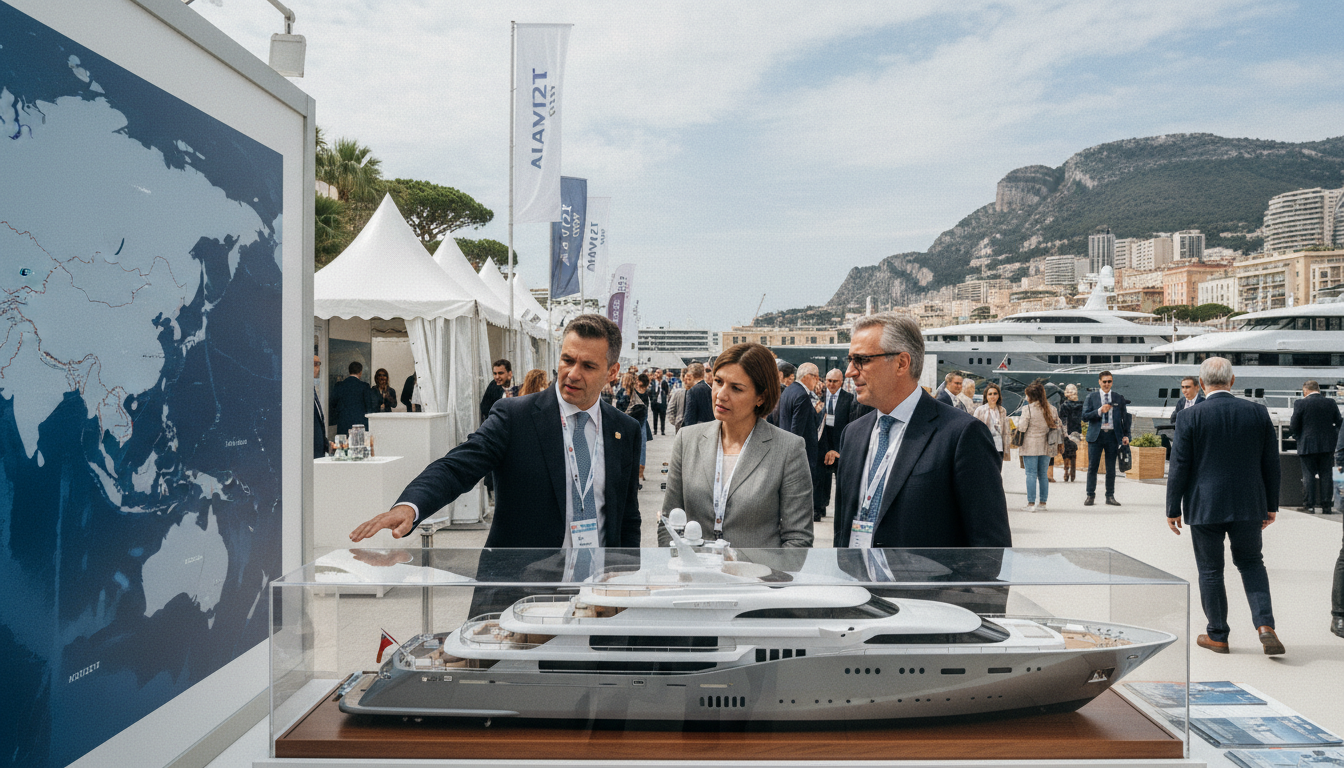
Superyacht Australia, Echo Yachts, and Bali Gapura Marina promoted a unified Asia Pacific cruising region at the Monaco Yacht Show, signaling market intent despite underlying infrastructure challenges.
SINGAPORE
The joint presence of Superyacht Australia, Echo Yachts, and Bali Gapura Marina at the Monaco Yacht Show recently profiled the Asia Pacific to an international audience. This collaboration, aiming to present the region as one unified cruising area, suggests a collective ambition to attract the superyacht market. Such coordinated marketing efforts often precede shifts in market perception and potential investment into new sectors.
However, the concept of a unified cruising region faces structural limitations within the Asia-Pacific. While the Monaco exhibit promoted the idea, the practicalities of yachting depend on support infrastructure, including berths, maintenance facilities, and regulatory frameworks. The absence of a robust, interconnected network of marine facilities suggests that promoting regional cruising requires more than unified marketing; it necessitates substantial capital investment in shore-side amenities. The demand for luxury yachts from Asian buyers has been noted as early as 2013, indicating an established market presence that predates current regional integration efforts.
The push for a unified Asia-Pacific yachting identity, while strategically sound from a marketing perspective, does not automatically translate into a viable cruising ground. The economics of superyacht operations are tied to predictable access to services and secure harbor. Without significant expansion and standardization of these services across diverse national jurisdictions, the promise of a seamless regional experience remains largely conceptual. The focus on showcasing the region abroad, rather than announcing new infrastructure commitments or regulatory harmonization, suggests a current emphasis on generating interest. The display at Monaco functions as a signal of intent, yet incentives for individual nations within the region to invest in expensive infrastructure must align with potential returns from increased yacht traffic.
The involvement of Bali Gapura Marina points to Indonesia's potential role, given its archipelagic geography. Even with such natural advantages, the development of sufficient high-quality marinas, repair yards, and skilled labor pools presents a considerable undertaking for any single nation, let alone for a disparate region. The broader economic context shows Asia share sales are poised to test 2021 records, fueled by an AI boom, according to Reuters. This indicates significant wealth generation within the region, some of which could theoretically flow into luxury assets and supporting industries. This economic dynamism provides a backdrop for aspirational projects like developing a premier yachting destination, but such developments are capital-intensive and require long-term planning.
Ultimately, the success of the Asia-Pacific as a unified superyacht cruising region will hinge not on international marketing efforts, but on the tangible development of the marine infrastructure required to support high-value vessels and their crews. Until that infrastructure is in place and widely accessible, the region's unified facade at events like the Monaco Yacht Show serves more as a statement of ambition than a reflection of current operational reality.
Sources
Newsletter
Pacific Daily
A curated briefing from Thailand, Asia-Pacific and the world.