The Mooncake's Evolving Canvas: From Tradition to Trend
Asia's Mid-Autumn staple, once a symbol of heritage, now navigates a landscape shaped by celebrity, novelty, and the occasional hand of state.
SINGAPORE
Mid-Autumn Festival, an annual marker in the Asia-Pacific calendar, brings with it the familiar presence of mooncakes. Traditionally a dense pastry filled with lotus seed paste and salted egg yolks, its current iteration reveals a market responding to shifting tastes and commercial pressures. The offerings detailed by CNA Lifestyle on September 18, 2026, exemplify this evolution.
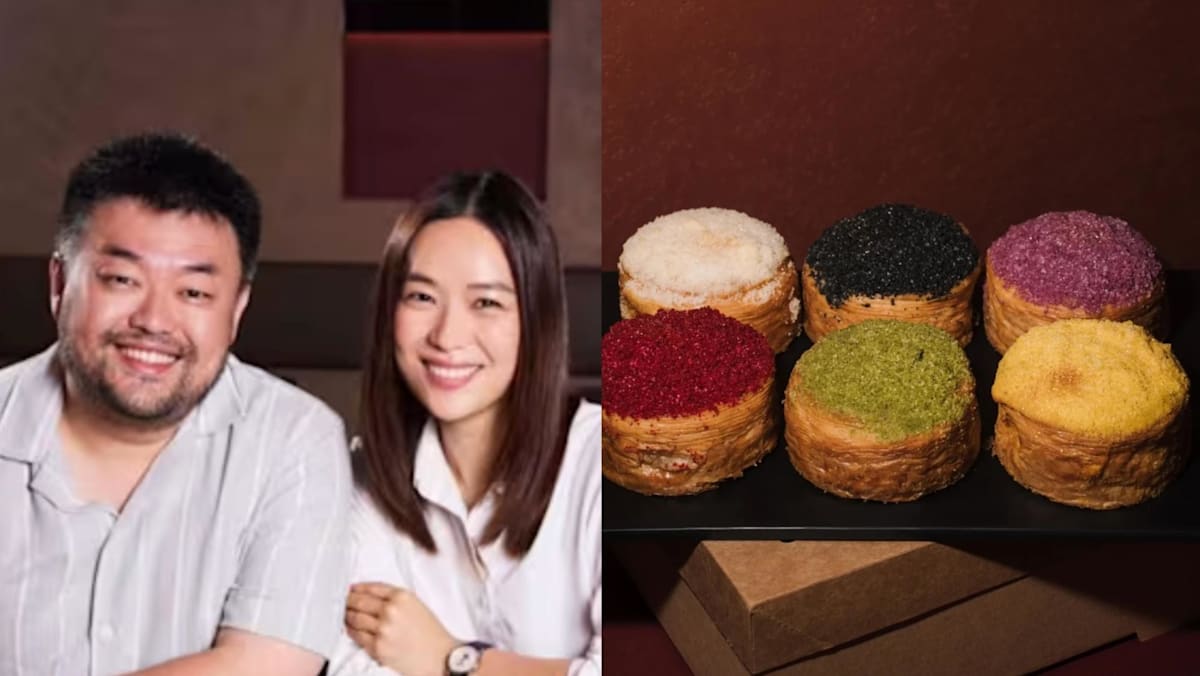
Online bakeries, such as The Lims’ Kitchen, run by the family of Mediacorp actress Rebecca Lim, are not merely producing traditional baked mooncakes. Their move towards securing halal certification, reported by CNA Lifestyle, suggests an expansion of market reach, acknowledging diverse consumer bases. The introduction of mooncake-croissant hybrids alongside gelato creations with a dry ice show by Tay Ying and chef husband Wu Sihan’s Atelier 27, further illustrates this drive for novelty. These creations, described as being for both “traditionalists and adventurous eaters alike,” represent a direct response to a consumer demand that extends beyond the time-honored form.
This trend, however, is not without its countercurrents. While brands like Fortnum, as reported by South China Morning Post, re-enter the market with luxury mooncakes, there have been warnings against extravagance. The Guardian reported on China's crackdown on “extravagant versions of festival staple” mooncakes. Similarly, The Japan Times highlighted China's warnings against “extravagance as gift-giving season looms,” framing it as the “dark side of the mooncakes.” This suggests a tension between market innovation and cultural preservation, or perhaps, state-defined propriety.
The mooncake, in this context, becomes a canvas for both commercial enterprise and cultural negotiation. Its adaptation into novel forms—gelato, croissant, or even luxury items—reveals a region where tradition is continually reinterpreted to remain relevant in a dynamic marketplace. Yet, the periodic interventions against excessive luxury signal a persistent desire, at least from some quarters, to anchor the festival's symbolic value over its commercial potential. The question remains what the mooncake, and by extension, the cultural traditions it represents, asks of those who consume it: adherence to its original form, or an embrace of its ever-changing expression.
Sources
Newsletter
Pacific Daily
A curated briefing from Thailand, Asia-Pacific and the world.