JetBlue Rallies on Distant Margin Promises While Capital Realities Linger
A post-market share rebound offers temporary relief from Chapter 11 speculation, but deferring sustained returns to 2027 tests investor tolerance across asset classes.
SINGAPORE
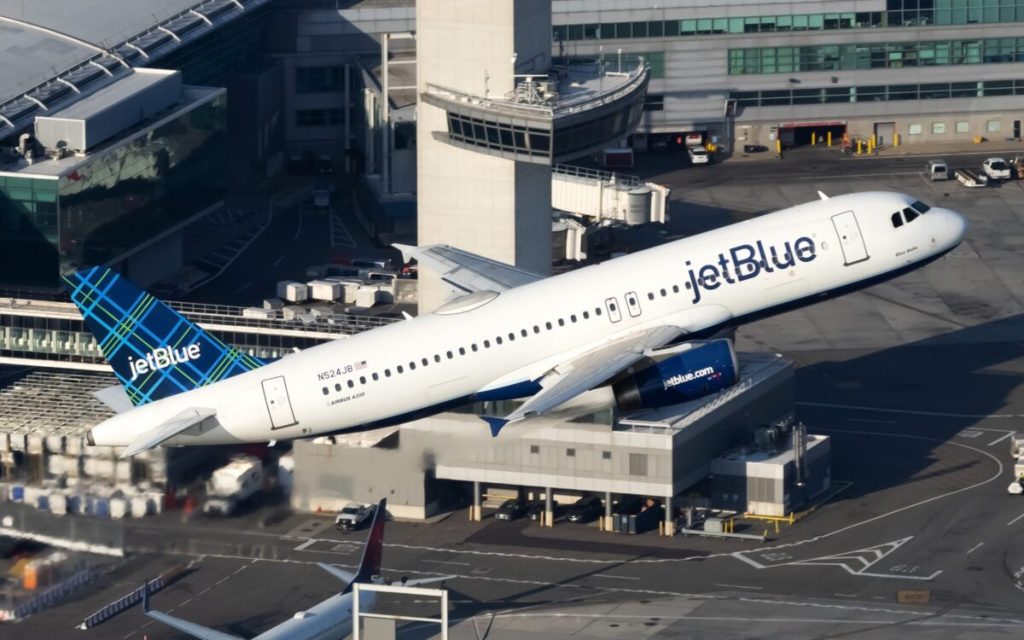
Equity markets routinely forgive present operating losses whenever corporate management promises positive cash flow twelve months ahead. JetBlue demonstrated that mechanism on Monday evening after releasing third-quarter financial figures. Having closed the regular session at $2.37 following a weekly drop exceeding 20%, the carrier cut its 2026 outlook and posted an expanded quarterly loss. Management simultaneously reiterated that its underlying operating margins are improving and pledged a return to sustained profitability by 2027. Traders responded by lifting the equity by more than 10% in after-hours trading, temporarily halting a steep downward spiral fueled by rumors of a potential Chapter 11 bankruptcy filing.
That rapid rebound illustrates the fragile equilibrium between short-term liquidity distress and deferred yield assumptions. For institutional observers across the Asia-Pacific region who monitor capital structures and hospitality infrastructure, the transaction mechanics here offer a sharp case study in balance sheet management. The immediate signal appears comforting because an equity bounce relieves immediate debt default speculation. Looking past the immediate relief rally reveals an incentive structure that pushes operational resolution into the distance.
The Cost of Deferred Turnarounds
When carriers experience sharp equity contractions, the primary pressure stems from operating liabilities outpacing unit revenues. CNBC reported that higher fuel costs broadened the third-quarter deficit for JetBlue, counteracting executive assertions of margin restoration. Reaffirming target timelines for 2027 while simultaneously lowering expectations for 2026 reveals where the structural stress sits. The carrier is asking creditors and equity holders to absorb a transitional year without the immediate support of positive net earnings.
The carrier is asking creditors and equity holders to absorb a transitional year without the immediate support of positive net earnings.
Sustained profitability requires capacity discipline, predictable fuel pricing, and resilient passenger demand. If any single variable deteriorates during 2026, the promise of a normalized 2027 operating environment quickly evaporates. Regional corporate watchers have witnessed similar valuation puzzles in other sectors during recent quarters. Samsung, for example, signaled a nineteenfold increase in operating profit during its mid-year disclosures, yet its shares suffered downward pressure as market participants questioned whether broader demand cycles would endure. Where hardware manufacturers grapple with future demand saturation, service and transport operators face immediate input costs that can rapidly exhaust working capital.
Capital Allocators Demand Measurable Recovery
Short-term equity speculators and debt syndicates holding high-yield instruments gain the most from this brief stabilization. By arresting the slide that drove shares down over 20% in five trading days, the company preserves headroom to negotiate supplier terms and avoid immediate court restructuring. Equity owners who entered positions below $2.37 capture an immediate paper gain from the post-market move.
Longer-term holders of leisure and travel infrastructure, however, remain exposed to structural execution risks. Hospitality assets reliant on passenger volumes cannot base financial underwriting solely on corporate earnings statements that point to eventual recovery two calendar years out. Real estate investors evaluating terminal retail concessions, destination lodging, and cross-border feeder traffic must weigh whether discounted carriers can sustain network capacity while managing debt overhangs.
Surviving a liquidity scare does not equal balance sheet health. Rebounding 10% off a depressed base of $2.37 leaves enterprise value constrained, while fundamental margin rehabilitation remains unproven against elevated operating expenses. Until quarterly cash flows confirm that structural operational deficits have closed, JetBlue remains dependent on creditor forbearance and market patience through 2026. The coming year will reveal whether this guidance represented genuine operational resilience or merely a postponement of difficult capital decisions.
Sources
Newsletter
Pacific Daily
A curated briefing from Thailand, Asia-Pacific and the world.