Demographic Decline at Home Pushes Japanese Childcare Capital Abroad
As domestic birthrates compress domestic returns, nursery operators turn toward Southeast Asia's high-income enclaves.
SINGAPORE
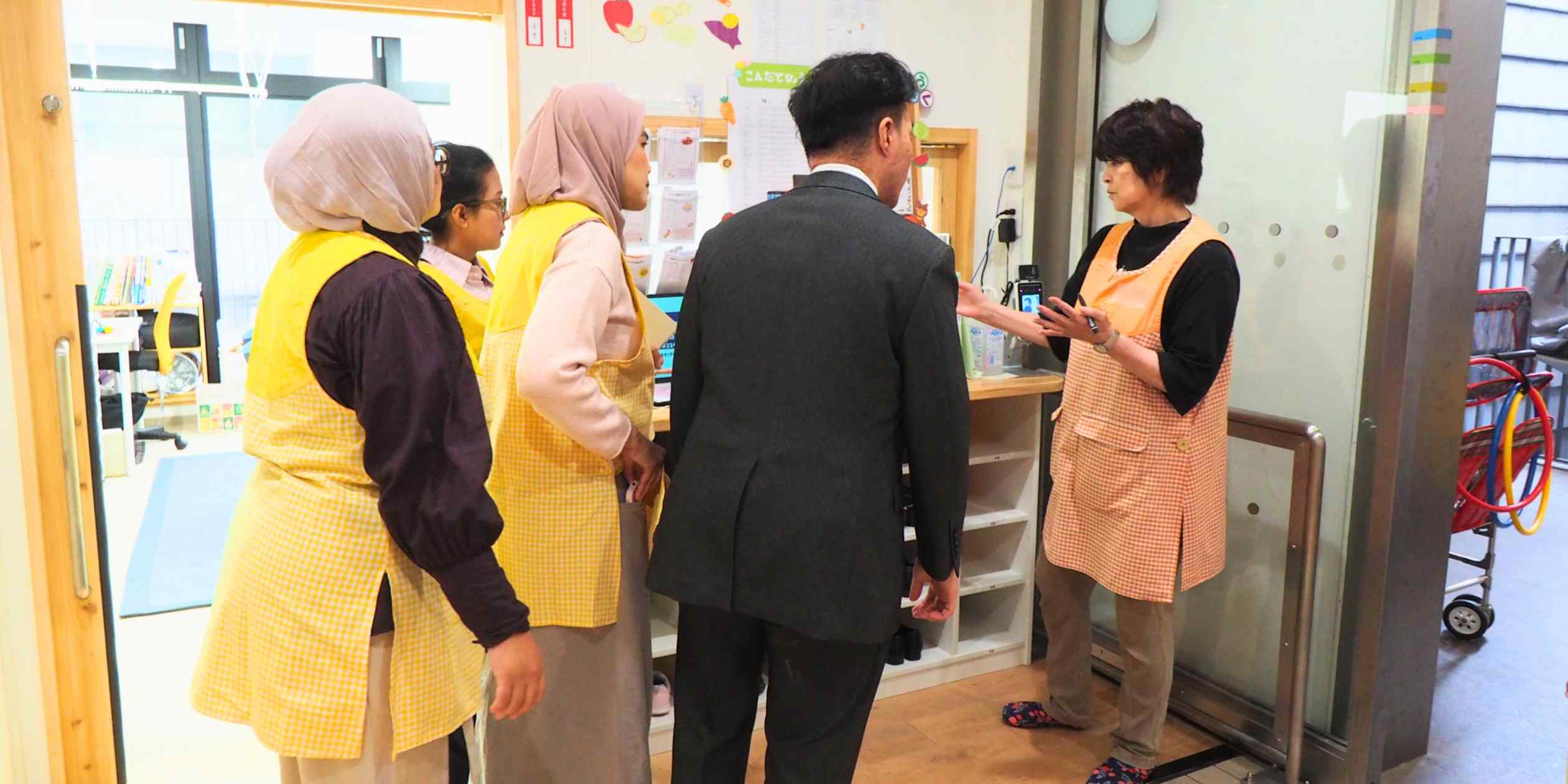
Capital seeking long-term yields in early childhood infrastructure confronts a stark geographic imbalance across the western Pacific. Domestic demand inside Japan has steadily narrowed as birth cohorts shrink, leaving nursery providers facing structural capacity surpluses in their home municipalities. Within Indonesia, private consumption among upper-tier households continues to absorb specialized social services at a premium. When Japanese nursery school operator Like established operations targeting affluent families in Indonesia, the transaction marked more than a routine commercial expansion. It outlined how corporate care providers are reallocating institutional resources away from contracting domestic bases toward overseas pockets of private wealth.
Demographic trajectories across East and Southeast Asia have historically diverged along distinct stages of industrialisation and urban density. Japanese municipal planning spent decades subsidising formal daycare centers to retain female labor participation amidst structural depopulation. Maintaining commercial margins within a domestic care economy bounded by strict regulatory fee ceilings and a diminishing base of young children proves increasingly difficult. Moving capital across regional borders into Indonesia's private education sector represents a pragmatic hedge against domestic demographic compression.
Asymmetric Social Infrastructure
Corporate movement into emerging consumer markets exposes an operational contradiction in how private services cross borders. Indonesian households purchasing imported early childhood education represent an elite segment capable of bypassing underfunded public institutions. For Japanese operators, this customer base provides pricing flexibility and foreign fee structures that domestic regulatory frameworks prevent.
Cross-border care models extract commercial margins from foreign elites while home markets manage the fiscal strains of population aging.
Simultaneously, labor corridors between the two countries demonstrate an inverted movement of human capital. While Like establishes physical facilities in Indonesia to educate children from wealthy domestic backgrounds, other Japanese educational entities seek staff abroad. School operator ECC, for instance, arranged to bring Indonesian interns into Japanese hotels to mitigate acute hospitality labor shortages. Capital moves south to capture high-margin private tuition, while operational labor moves north to sustain frontline service operations across an aging archipelago.
The Strategic Limits of Segmented Care
This division of private capital leaves underlying regional vulnerabilities unaddressed. Exporting private nursery expertise provides immediate portfolio relief for corporate boards facing shuttered facilities across provincial Japan. Such investments remain tightly confined to high-net-worth enclaves in Southeast Asian cities, offering little structural spillover into broader regional care systems.
Private operators cannot substitute for systemic social insurance or equitable municipal planning. Indonesian working households outside the upper quintile remain entirely outside the perimeter of imported premium childcare facilities. In Japan, capital outflows into offshore enclaves do not resolve the fiscal challenge of sustaining essential community facilities on declining tax receipts.
Corporate balance sheets may successfully adapt to regional demographic disparities through targeted geographical arbitrage. The unresolved tension remains rooted in who absorbs the long-term cost when essential social services migrate into segregated offshore markets, leaving domestic public infrastructure constrained on both shores.
Sources
Newsletter
Pacific Daily
A curated briefing from Thailand, Asia-Pacific and the world.