The Margin Arithmetic of Five Steaks a Night
How extreme portion limits in Georgetown reveal the quiet discipline of modern hospitality inventory
SINGAPORE
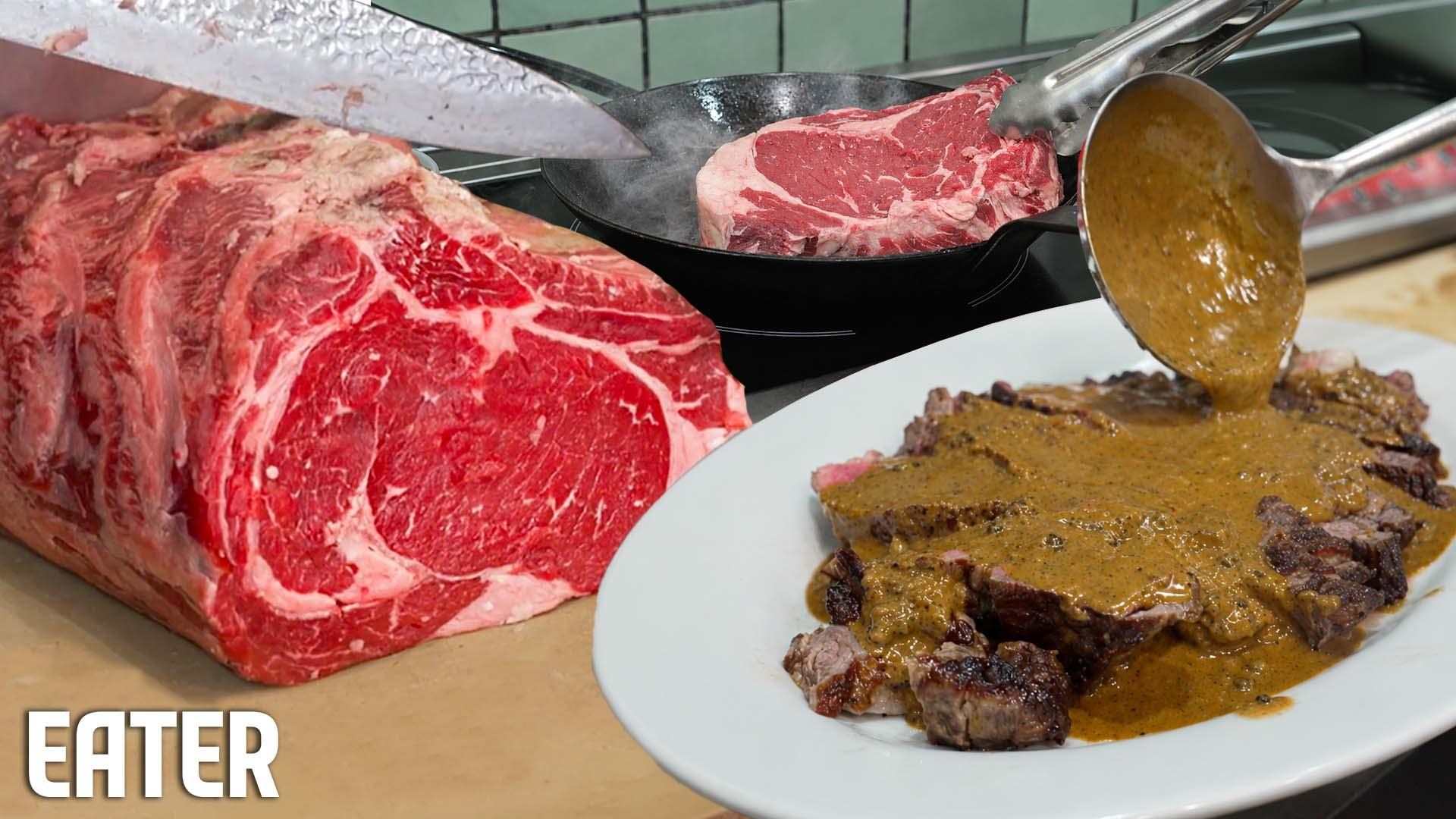
Alleyway leases in prime dining enclaves rarely succeed on volume alone, yet extreme rationing represents an audacious calculation in hospitality economics. In Washington, chefs Justin Ahn and Alex McCoy have anchored their permanent Georgetown restaurant, Alfie’s, around an austere operational constraint: preparing exactly five plates of curry steak frites each night. The kitchen draws on northern Thailand cooking methods while incorporating local ingredients from around the DMV, balancing hand-cut green papaya in som tam salad against beef draped in massaman. On paper, restricting a headline dish to five nightly portions appears counterproductive to gross dining room receipts. Operationally, the choice functions as disciplined inventory control engineered to protect margin in volatile urban dining markets.
Alfie’s began as a pop-up in Petworth in 2017 before traveling through temporary residencies in New York and London. That migratory path reflects how contemporary hospitality operators test concept elasticity across major urban centers prior to assuming fixed capital obligations. Moving from low-overhead pop-up models to a permanent kitchen alters the underlying arithmetic. Brick-and-mortar leases demand predictable table turns and stringent food-cost management. Rather than absorbing the financial exposure of bulk protein ordering, capping steak frites at five units per night insulates the kitchen from unsold wastage.
The Mechanics of Controlled Yield
Dining rooms across global capitals frequently wrestle with protein pricing, where wholesale beef volatility squeezes gross operating profit. Even where competing grills attempt aggressive entry pricing on prime cuts, maintaining volume inventory on fresh beef strains procurement budgets. Ahn and McCoy invert that liability by transforming an operational ceiling into an asset. Scarcity generates outsized consumer attention without obligating the back of house to hold perishable inventory that might spoil during slow mid-week dinner services.
Skeptics might argue that capping a marquee dish at five servings per night is simply performance, an exclusionary trick that frustrates patrons shut out of the nightly allocation. Diners turned away from the five-plate limit may view the policy as an artificial barrier rather than authentic hospitality. Yet this operational discipline reframes how northern Thai food registers in Western commercial corridors. For decades, Southeast Asian cuisine overseas suffered from market expectations of excessive volume and discounted price points. Centering northern Thai cooking methods alongside premium cuts challenges that legacy, establishing parity with Western steakhouse conventions where precision overrides sheer mass.
Scale Against the Fixed Overhead
The real winners in this model are the operators who master prep predictability. Balancing laborious hand-cut preparations, such as som tam green papaya, against tight limits on complex curries like massaman preserves labor time on the line. When kitchen staff focus prep hours on precise execution rather than high-volume prep lines, plate quality remains stable across every seating. Commercial exposure transfers away from kitchen overhead and onto table demand, compelling patrons to explore the wider menu once the nightly steak frites quota evaporates.
Commercial longevity cannot subsist on artificial ceilings alone. A restaurant can sustain dining interest on five special plates for only so long before guest attention wanders toward newer ventures. Survival in prime real estate depends on whether the broader bill of fare commands steady footfall once the novelty of rationing subsides. Ahn and McCoy have proved their concept across New York, London, and Washington alleyways, but the ultimate commercial return hinges on whether patrons will consistently fill seats when the five steaks have already left the pass.
Sources
Newsletter
Pacific Daily
A curated briefing from Thailand, Asia-Pacific and the world.