New Hotels Signal Shifting Market Realities in Seoul and Kobe
Recent hotel openings in key Asian cities point to an ongoing strategic pivot towards business and extended-stay segments, driven by investor calculations on sustained occupancy and operational costs.
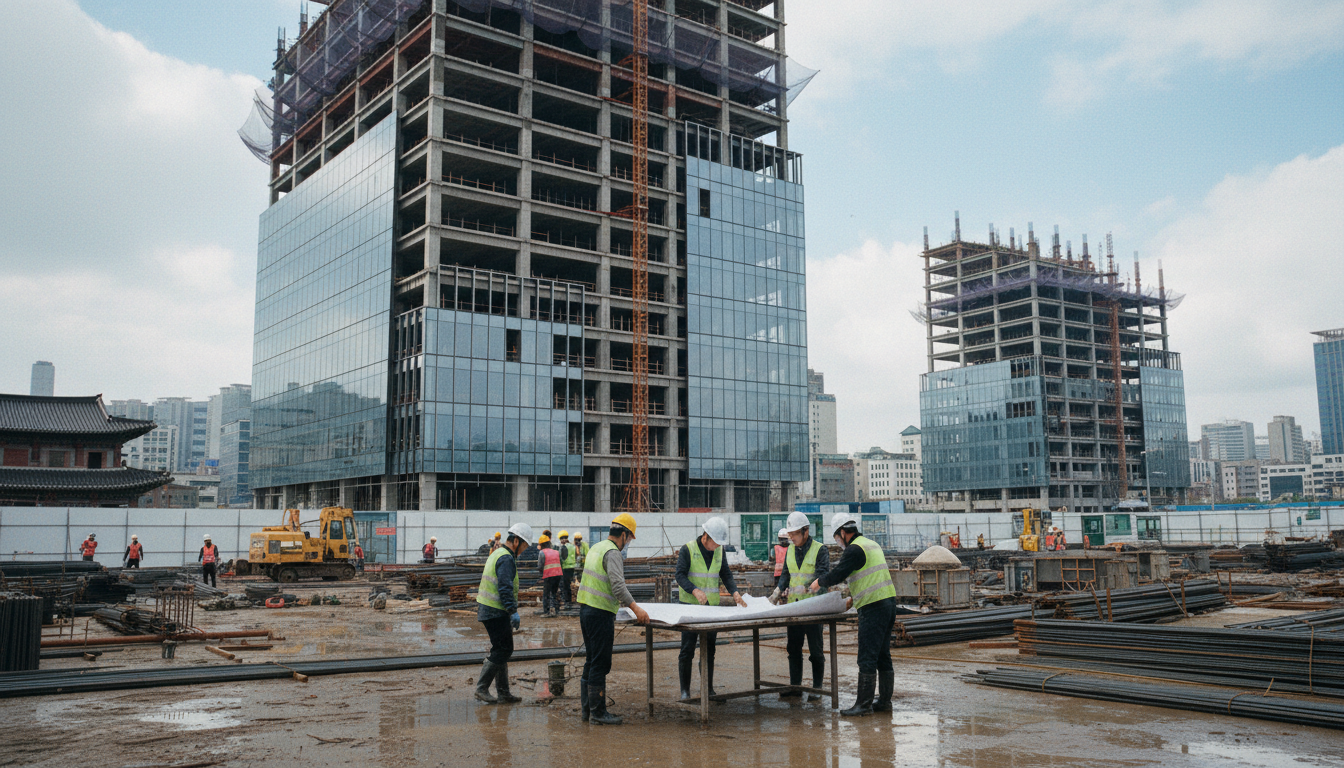
SEOUL
The debut of the 104-room Anook Signature Seoul Guro, Series by Marriott, in Seoul's south-western business corridor, alongside a Courtyard by Marriott in Kobe, Japan, represents a calculated expansion within Asia’s hospitality sector. These developments, reported by TTG Asia on October 8, 2026, are not merely new physical structures; they reflect an underlying assessment of market demand and profitability in urban centers.
Positioned near the Guro Digital Complex, the Anook Signature Seoul Guro emphasizes features like work areas in all rooms and separate living areas or in-room whirlpools in selected suites. This design choice signals a focus on business travelers or longer-stay guests who require functionality beyond a basic overnight stay. Hotels with these amenities often target a demographic less sensitive to day-to-day rate fluctuations but highly attuned to value delivered through workspace and comfort during extended assignments. The financial viability of such properties hinges on maintaining consistent occupancy from corporate accounts and project-based stays rather than relying solely on fluctuating tourist traffic.
Achieving occupancy targets in this market segment is complex. South Korea, particularly Seoul, is a hub for both domestic and international business. While new supply typically implies competition, the specific targeting of the Guro Digital Complex suggests a localized strategy to capture demand from a defined corporate clientele. Similarly, the Courtyard by Marriott in Kobe likely aims to cater to a blend of business and mid-tier leisure travelers, seeking predictable revenue streams. The critical factor for these new establishments will be their ability to achieve the occupancy rates necessary to cover fixed operational costs and deliver returns on investment, especially given the capital expenditure inherent in new construction and brand integration. Who ultimately pays for this, beyond the immediate guest, includes the investors expecting a yield and the local economies betting on sustained business activity.
While the expansion of international hotel brands may suggest broad economic optimism, the particular emphasis on functionality and strategic location indicates a more nuanced approach. The current climate necessitates a clear understanding of the demand base before new capital commitments. The success of these properties will offer insight into the resilience of business travel and corporate demand in specific Asian urban markets, providing a gauge for future development strategies. The outcome now depends on whether the projected corporate demand materializes consistently enough to fill these new rooms.
Sources
Newsletter
Pacific Daily
A curated briefing from Thailand, Asia-Pacific and the world.