Crafting Tomorrow's Legacies: Southeast Asia's Boutique Hotels Weaving Local Identity into Luxury
From Chiang Mai's ancient Lanna traditions to Bali's artisanal spirit, a new wave of hospitality chains is reinterpreting heritage, not just preserving it.
SINGAPORE
The vibrant tapestry of Southeast Asia has long captivated travelers, a symphony of ancient traditions, breathtaking landscapes, and an innate sense of hospitality. Yet, for decades, the luxury hotel landscape often felt like an imported concept, a glittering overlay that sometimes overshadowed the very culture it sought to embrace. Today, however, a profound shift is underway. A new generation of boutique hotel chains is not merely acknowledging local heritage; they are actively reinterpreting it, crafting immersive experiences that are authentically rooted yet distinctly contemporary.
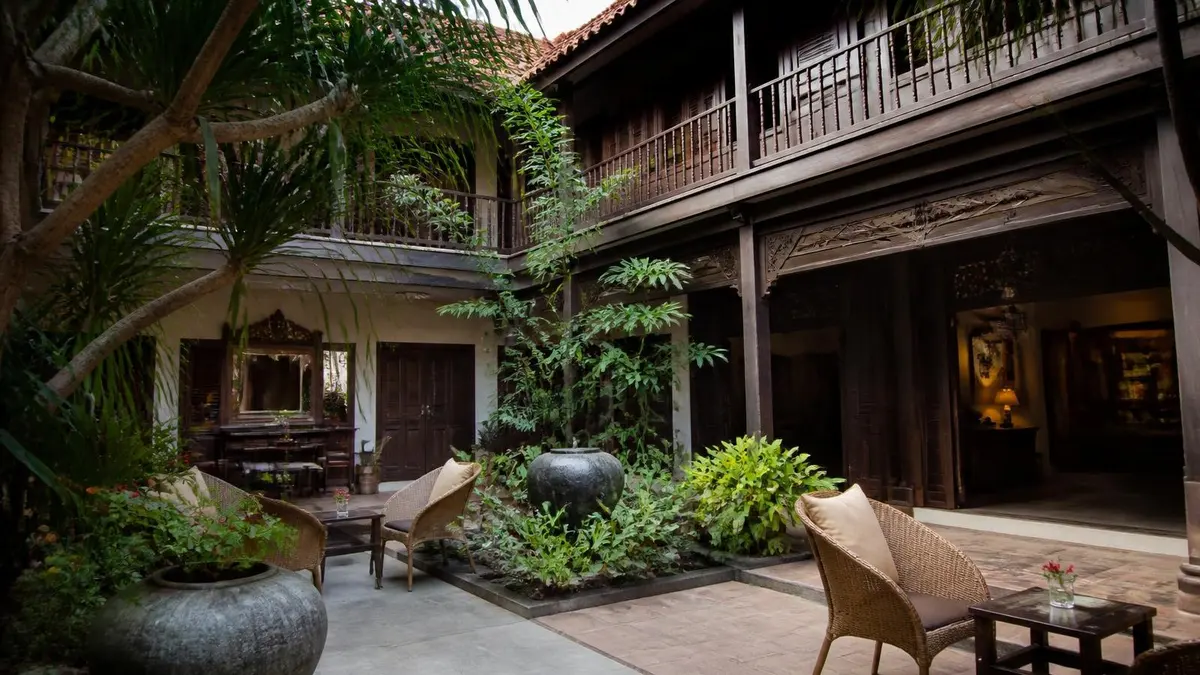
My recent travels across the Asia-Pacific region have revealed a fascinating trend: these emerging players are moving beyond superficial nods to 'local flair.' They are diving deep into the vernacular, working with indigenous artisans, sustainable materials, and design philosophies that speak volumes without uttering a word. Take, for instance, The Pavilions Hotels & Resorts. While not strictly 'emerging' in its entirety, its targeted expansion within Southeast Asia, particularly its properties like The Pavilions Anana Krabi, exemplifies this ethos. Here, the design is a sophisticated homage to Southern Thai fishing villages, utilizing reclaimed wood, local stone, and traditional weaving techniques, but presented with a minimalist elegance that appeals to the discerning modern traveler. It's a masterclass in balance – rustic charm elevated to refined luxury.
Then there's the growing presence of offerings like those under the Lifestyle Retreats umbrella, particularly their Bali portfolio. Brands such as The Bale and The Amala have consistently championed a slow-living philosophy, deeply intertwined with Balinese spiritual and architectural principles. Their meticulous attention to landscaping, integrating traditional Balinese gardens and water features, creates sanctuaries that feel utterly of their place. They're not just building hotels; they're crafting environments that echo the island's soul, using local stone, sustainable timber, and encouraging interaction with Balinese crafts and cuisine in a meaningful, not performative, way.
Beyond Aesthetics: Engaging the Community
What truly sets these chains apart is their commitment to local communities and sustainable practices. It's not enough to simply incorporate local design elements; the ethical sourcing of materials, the empowerment of local artisans, and the creation of economic opportunities for nearby villages are paramount. Consider the work of Secret Retreats, a collection that, while diverse, features properties like Soneva Kiri in Thailand or The Private House in Luang Prabang, Laos, which are paragons of this approach. They are not merely guests in these landscapes; they are partners in their preservation and development. Their integration of local staff, training them in world-class hospitality while respecting cultural nuances, is a vital component of their authenticity.
This isn't merely good corporate citizenship; it’s a strategic differentiator. Travelers today, particularly those seeking luxury, are increasingly conscious of their footprint and yearning for genuine connection. They want stories, not just amenities. They seek to understand the essence of a place, not just pass through it. These boutique chains understand this intrinsically, offering workshops on traditional crafts, culinary journeys with local chefs, and excursions that delve into the region's history and ecology.
"These hotels are not just providing a bed for the night; they're offering a gateway to the soul of a place, respectfully curated and elegantly presented."
In Vietnam, the emergence of brands like Fusion Resorts, with their emphasis on wellness and organic integration into natural landscapes, similarly embodies this spirit. Their properties, such as Fusion Maia Da Nang, seamlessly blend Vietnamese architectural elements with contemporary design, focusing on open spaces, natural light, and the use of materials like bamboo and local wood. Each element feels considered, contributing to a holistic experience that is both luxurious and deeply rooted. It’s an evolution from the grand colonial hotels of yesteryear, not a rejection, but a sophisticated reinterpretation that prioritizes local identity and sustainable practices.
This wave of boutique hotel development is more than a trend; it's a testament to a maturing hospitality market that recognizes the enduring power of place. By honoring, reinterpreting, and often elevating local heritage and design, these chains are not just building successful businesses; they are also contributing to the preservation and dynamic evolution of Southeast Asia's rich cultural tapestry, ensuring that the stories of these lands continue to be told, one exquisite stay at a time.
Newsletter
Pacific Daily
A curated briefing from Thailand, Asia-Pacific and the world.