Chinese Outbound Family Travel Exposes the Limits of Mass Package Tourism
High preference for organised trips masks growing consumer pushback against rigid group itineraries across the region
SINGAPORE
Seventy per cent of Chinese travellers want organised departures when taking their families abroad, yet the bulk of what the market sells them no longer fits. That headline demand figure comes from Dragon Trail International’s Golden Week Traveller Sentiment poll conducted in September 2026. Surveying 1,010 respondents, the study reveals an industry leaning on captive volume while failing the very guests filling its room blocks.
The commercial logic of the legacy group tour was built on predictable volume: 40 passengers per coach, twin-share allocations, negotiated group menus, and scheduled commission stops. For hotel sales directors, contracting 30 rooms a night to a single wholesale consolidator offered guaranteed base occupancy. What works for wholesale bed clearing, however, collapses when applied to multi-generational family units.
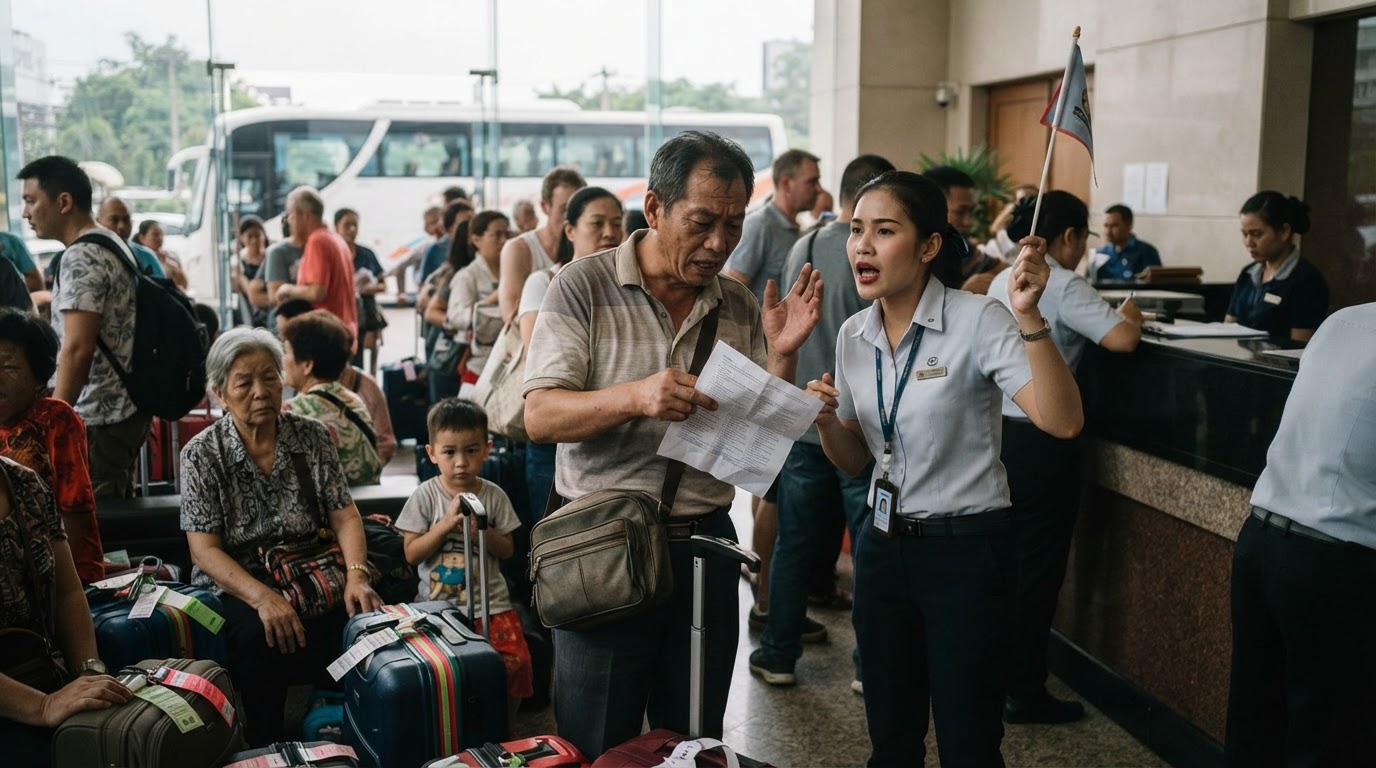
Travelling across borders with toddlers and grandparents creates intense operational friction. Fixed breakfast calls, tight coach transfers, and compulsory retail detours turn a holiday into a logistical drill. Families book organised travel because navigating cross-border transport and language barriers alone is daunting, not because they enjoy rigid tour sheets.
The Economics of Customisation
According to Tiana Tian, market research analyst at Dragon Trail International, Chinese family travellers seeking organised trips are evaluating standard group tours, private group tours, and alternative customised packages. That shift marks where hospitality margins are moving.
Seventy per cent of Chinese travellers would choose a group tour or other organised trip when taking their families overseas, but many are dissatisfied with the available itineraries.
Private arrangements carry entirely different unit economics. A family of six booking three adjoining rooms delivers higher net room rates and à la carte dining spend than a discounted wholesale bus block. Yet servicing that family requires ground flexibility that traditional group operators cannot execute without inflating their payroll. Standard mass itineraries function because fixed schedules eliminate staff discretion. Tailored family itineraries demand bespoke ground transport, flexible dining hours, and child-friendly pacing.
Traditional tour operators now face severe operational hurdles. Rebuilding wholesale back-offices to handle bespoke family groups requires direct technology integration with local ground handlers and higher administrative overhead. For low-margin wholesale operators accustomed to taking flat fees on bulk room bookings, funding that structural pivot is painful.
Shifting Ground in Regional Destinations
Household decision-makers are driving this recalibration. The survey sample comprised 53 per cent female and 47 per cent male respondents, mirroring an outbound market where family booking itineraries are largely shaped by domestic household managers. When these planners encounter uncompromising wholesale itineraries, they seek smaller, private alternatives.
Wholesale operators counter that price sensitivity will ultimately protect the standard package tour. Transport costs and overseas destination inflation keep household travel budgets tight. For a significant segment of the Chinese travelling public, the wholesale group ticket remains the only financially reachable path abroad. Baseline coach volume is not about to vanish overnight.
True volume will endure at the entry level, but pricing power has departed. Destinations and hospitality groups that rely solely on filling contracted quotas with discounted mass groups are trading away margin for stagnant yield. Until tour wholesalers redesign their operational cost models to deliver real scheduling flexibility, they remain trapped between rising consumer rejection and unyielding ground costs.
Sources
Newsletter
Pacific Daily
A curated briefing from Thailand, Asia-Pacific and the world.