China's Niche Tourism Strategy Exposes Operational Limits for Asia-Pacific Operators
Seek Sophie's entry into Yunnan highlights the fragility of high-value, community-led models in a shifting market.
SINGAPORE
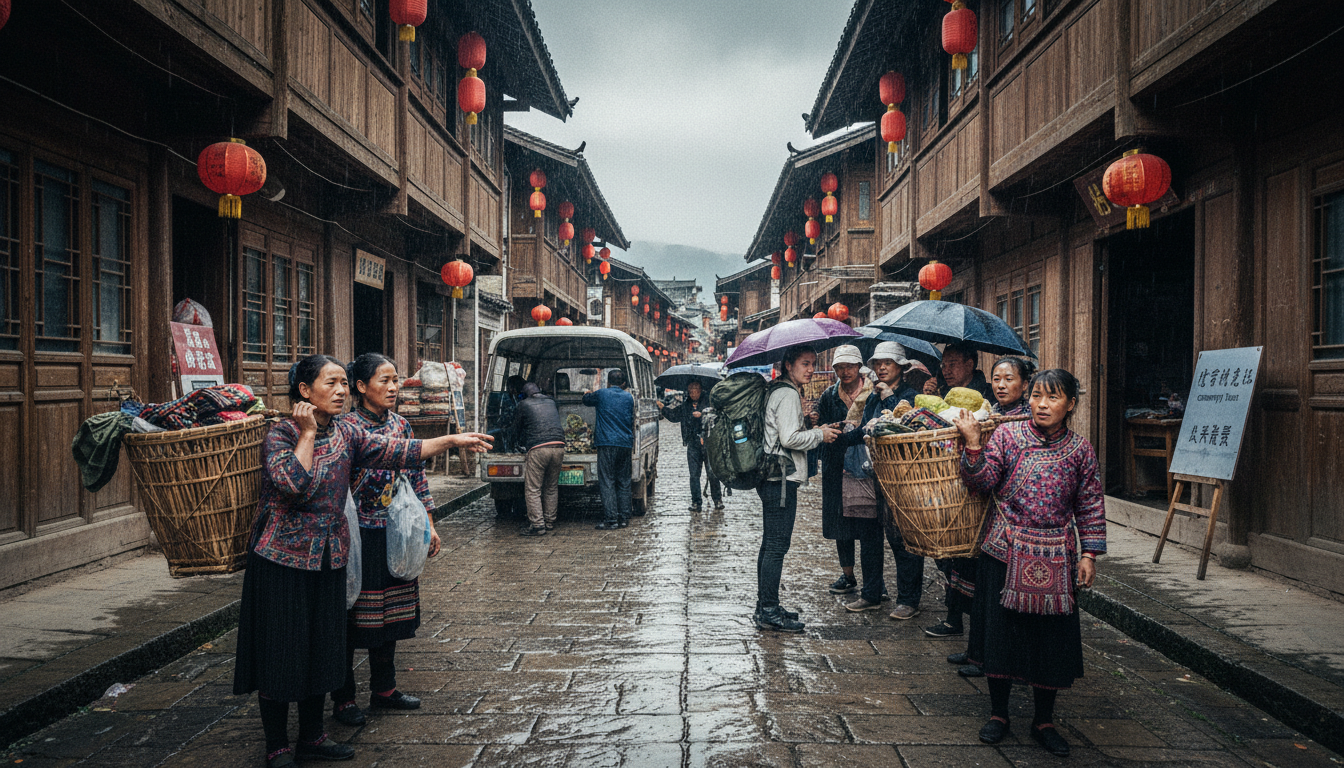
The Singapore-based experiential travel platform, Seek Sophie, recently marked its first entry into China. The initial rollout, reported on September 14, 2026, features a collection of 25 community-led experiences based in Yunnan province. Among these is a hiking route in Tiger Leaping Gorge led by Nong Bu, a local Naxi guide. The platform's stated aim is to offer alternatives to what it characterizes as shopping-led domestic tour groups.
This tactical entry into China’s market, focusing on niche, community-based offerings, indicates a recognition of specific operational constraints. While Seek Sophie emphasizes 'curated' and 'authentic' experiences, the practical implementation of such a model depends heavily on the consistent availability and quality of individual-led services. For any operator at full capacity, the critical question is which part of the supply chain will fail first. In this specific model, the capacity rests with individual guides or specific communities, not with standardized infrastructure like hotels or transport networks. This reliance introduces points of operational vulnerability that more conventional, large-scale tourism operations might avoid.
Broader geopolitical dynamics within the Asia-Pacific region present additional complexities for such ventures. China has reportedly signaled a significantly increased visa fee for Japanese visitors, as noted on September 12, 2026. This development occurs as China voices concerns regarding Taiwan, reported on September 1, 2026, and after a report warned against European-led NATO expansion in the Asia-Pacific. These interconnected events suggest an environment where international travel, particularly inbound tourism to China, remains susceptible to rapid policy shifts. An operator relying on consistent international arrivals for specialized experiences must navigate a dynamic and potentially unpredictable regulatory landscape.
Regional Implications
For tourism operators across the Asia-Pacific, including in Thailand, the Seek Sophie model presents a dual implication. On one hand, it confirms a demand for high-value, experiential travel that moves beyond standard packages. This could encourage the development of similar localized, community-driven offerings in other countries, leveraging their unique cultural or natural assets. On the other hand, it underscores the operational risks inherent in scaling such ventures within a fluctuating geopolitical context. The reliance on highly specific, local assets, while appealing to a subset of travelers, makes the model intrinsically sensitive to external shocks—whether these are policy changes or localized events affecting community access. The structural resilience of this model at scale, particularly given the political and economic shifts influencing regional travel, remains an open question. The long-term viability of this approach will depend on its ability to manage these external constraints while delivering its stated commitment to unique, community-led offerings.
Sources
Newsletter
Pacific Daily
A curated briefing from Thailand, Asia-Pacific and the world.