Malta's Opportunity: A Lens on Tourism's Evolving Techniques
The WTTC Global Summit offers a concentrated view of industry priorities, revealing the strategic shifts for destinations like Thailand.
SINGAPORE
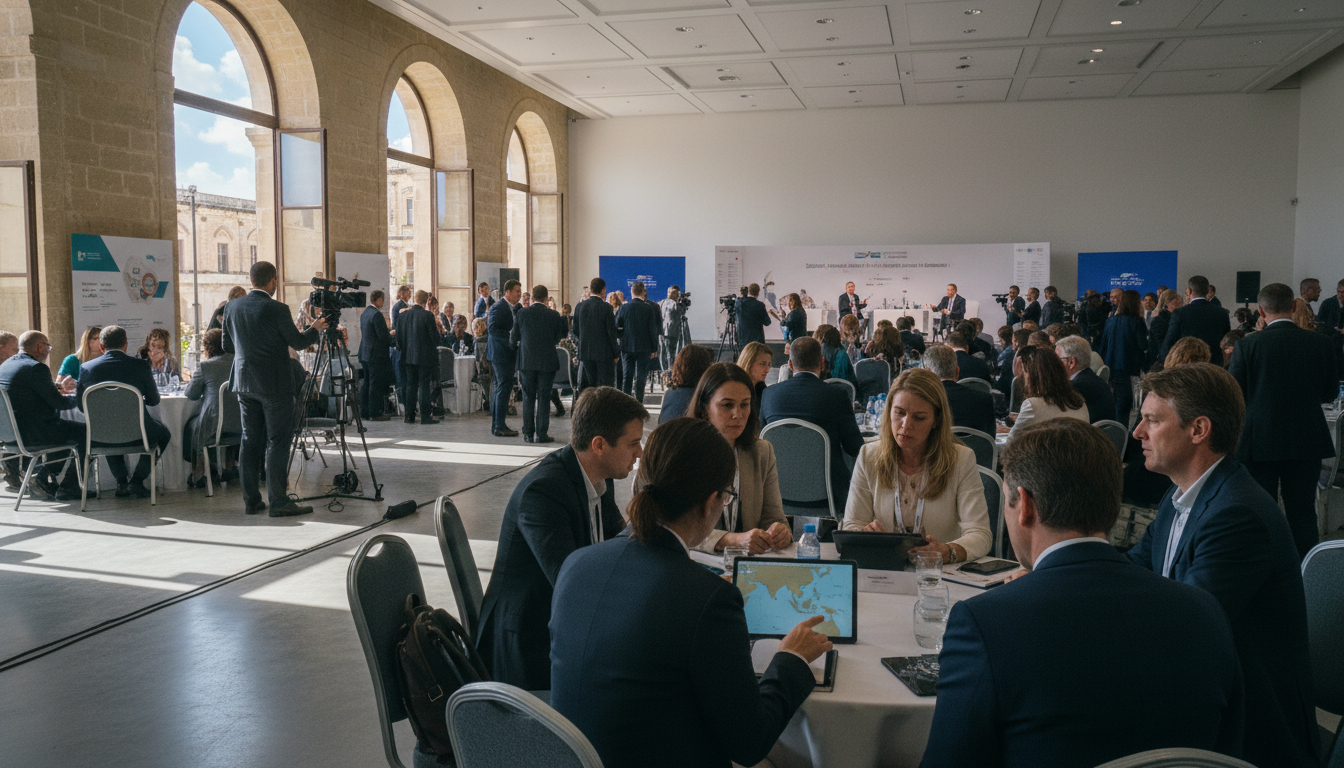
Next month, Valletta, Malta, will host the 26th WTTC Global Summit, gathering over 200 leading travel and tourism CEOs and senior executives. From October 7 to 9, 2026, the event positions Malta to present its tourism offerings, business climate, and investment prospects to a critical audience. The reported theme, 'Futu[Re]Set: Shaping the Future of Travel & Tourism,' signals a period of strategic re-evaluation within the sector.
The annual assembly of the World Travel & Tourism Council is not merely a calendar event; it functions as an indicator of prevailing industry concerns and the technical approaches adopted by destinations seeking to attract investment and visitation. For Asia-Pacific markets, including Thailand, the focus on Malta presents a specific point of comparison. Malta, an island nation that is geographically distinct from Asia, shares a common objective: to position itself as a viable and attractive destination on a global stage. The techniques employed by such a host, particularly in showcasing its 'business environment and investment potential,' reflect a sophisticated understanding of how contemporary tourism capital operates.
### The Shifting Calculus of Destination Appeal
Historically, the appeal of a destination like Thailand often relied on its natural endowments and cultural distinctiveness. While these remain foundational, the emphasis observed in Malta's WTTC engagement points to a more structured, financially-driven pitch. The presence of 'leading travel and tourism CEOs and senior executives' at the summit suggests that conversations will extend beyond visitor numbers to the underlying economic infrastructure. This includes discussions on ease of doing business, regulatory frameworks, and return on capital – metrics that are less about direct consumer experience and more about the long-term viability of tourism enterprises.
For a market like Thailand, which is deeply reliant on tourism, understanding this pivot is crucial. The question for policymakers and industry leaders is not solely about drawing more tourists, but about attracting the type of capital and operational expertise that aligns with sustainable growth. The techniques involved in this attraction are complex: they require demonstrating a stable political climate, transparent investment policies, and a skilled workforce, alongside the traditional allure of its beaches or cuisine. Without a clear strategy to address these operational and financial considerations, even the most captivating natural beauty can struggle to secure sustained, high-value investment.
One might argue that the very nature of such a global summit, bringing together top executives, inherently elevates financial considerations. These are indeed the individuals responsible for capital allocation and strategic planning, making their presence a direct signal of commercial intent. However, this perspective overlooks the dynamic interplay between investment and the intrinsic appeal of a destination. Investment cannot create a desire for a place from nothing; it amplifies existing attractiveness. The challenge remains for destinations to convey their unique attributes while simultaneously articulating a compelling economic case. The cost of failing to balance these two approaches is the potential to be overlooked by an industry increasingly seeking both profitability and impact.
While Malta benefits from this concentrated attention, the broader implication for Asia-Pacific is a necessity to scrutinize its own methods of presentation. Thailand, in particular, must assess whether its current promotional techniques adequately address the evolving criteria of global tourism leadership. The industry's decision-makers are not merely looking for 'places to visit,' but for 'places to invest in,' and the distinction carries significant weight for the future of tourism economies.
Sources
Newsletter
Pacific Daily
A curated briefing from Thailand, Asia-Pacific and the world.