Onyx Hospitality's growth target: Operational limits at full occupancy
The drive for more than 75 properties by 2030 presents a structural challenge for the Thai-rooted operator.
SINGAPORE
Onyx Hospitality Group, a Thai-rooted operator, aims to expand its portfolio to more than 75 properties by 2030. This objective, articulated by CEO Yuthachai Charanachitta, focuses on relevance across Asia-Pacific and surviving crises. While expansion signals growth, the specific operational infrastructure required to manage a portfolio of that size warrants examination.
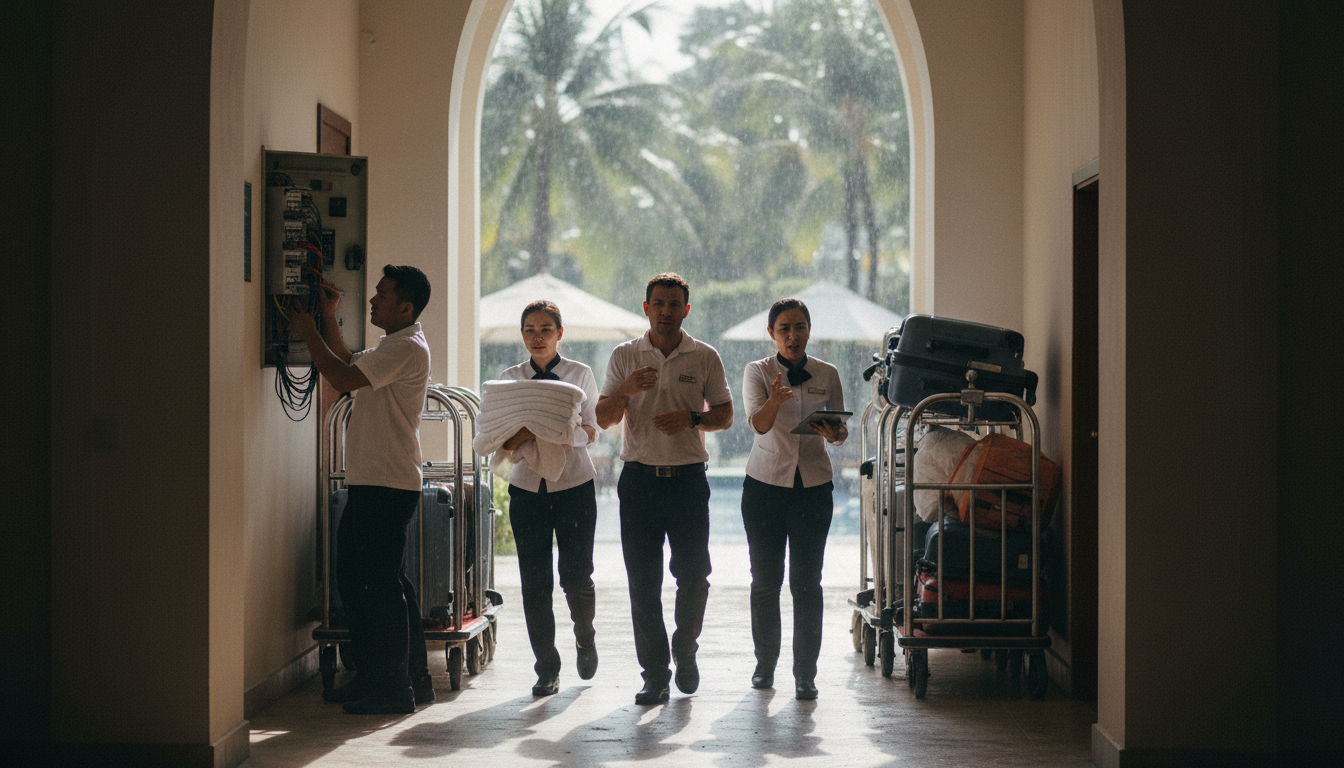
Achieving this increased property count means the company must scale its central support functions, supply chain, and quality control mechanisms. A property operates as a complex system, where every additional unit strains existing operational resources. Consider the necessary increases in human resources for recruitment, training, and talent retention across diverse markets, or the logistics of maintaining brand standards and procurement efficiencies across potentially dozens of new locations. The pressure on the existing operational framework will escalate with each new property, particularly in diverse regulatory and supply environments across Asia-Pacific.
The stated goal of remaining 'relevant' and 'surviving crises' suggests an understanding of market volatility. However, the operational strains introduced by rapid expansion can themselves create vulnerabilities. A significant portion of the challenges in hospitality are not market-driven but operational. At full occupancy, minor inefficiencies in staffing, maintenance, or supply chain logistics amplify, potentially compromising guest experience and, by extension, brand reputation. The group's ability to absorb and integrate a high volume of new properties while maintaining a consistent service standard across its existing portfolio will be critical.
One counterargument suggests that a diversified portfolio across Asia-Pacific could provide resilience against regional economic downturns or localized crises. If one market falters, others might sustain revenue. This strategy, however, relies on robust, decentralized operational teams capable of independent problem-solving and adaptation to local conditions, without over-reliance on a central command that could become overstretched. The potential for a rapid expansion to dilute management focus and resources across a larger, more dispersed network could outweigh the benefits of geographic diversification.
The critical factor for Onyx Hospitality Group in achieving its 2030 objective will be the reinforcement and decentralization of its operational support structures. Without this, the ambition to grow by more than 75 properties by 2030 risks creating a system where the operational demands of new units could outpace the company’s capacity to support them effectively, leading to potential operational breaks as occupancy increases across the portfolio.
Sources
Newsletter
Pacific Daily
A curated briefing from Thailand, Asia-Pacific and the world.