Caribbean Sailing Race Navigates Turbulent Waters Beyond Its Course
The consistent allure of events like the RORC Caribbean 600 spotlights how even established leisure pursuits are influenced by geopolitical tensions, climate, and shifting travel policies, drawing parallels for Asia-Pacific destinations.
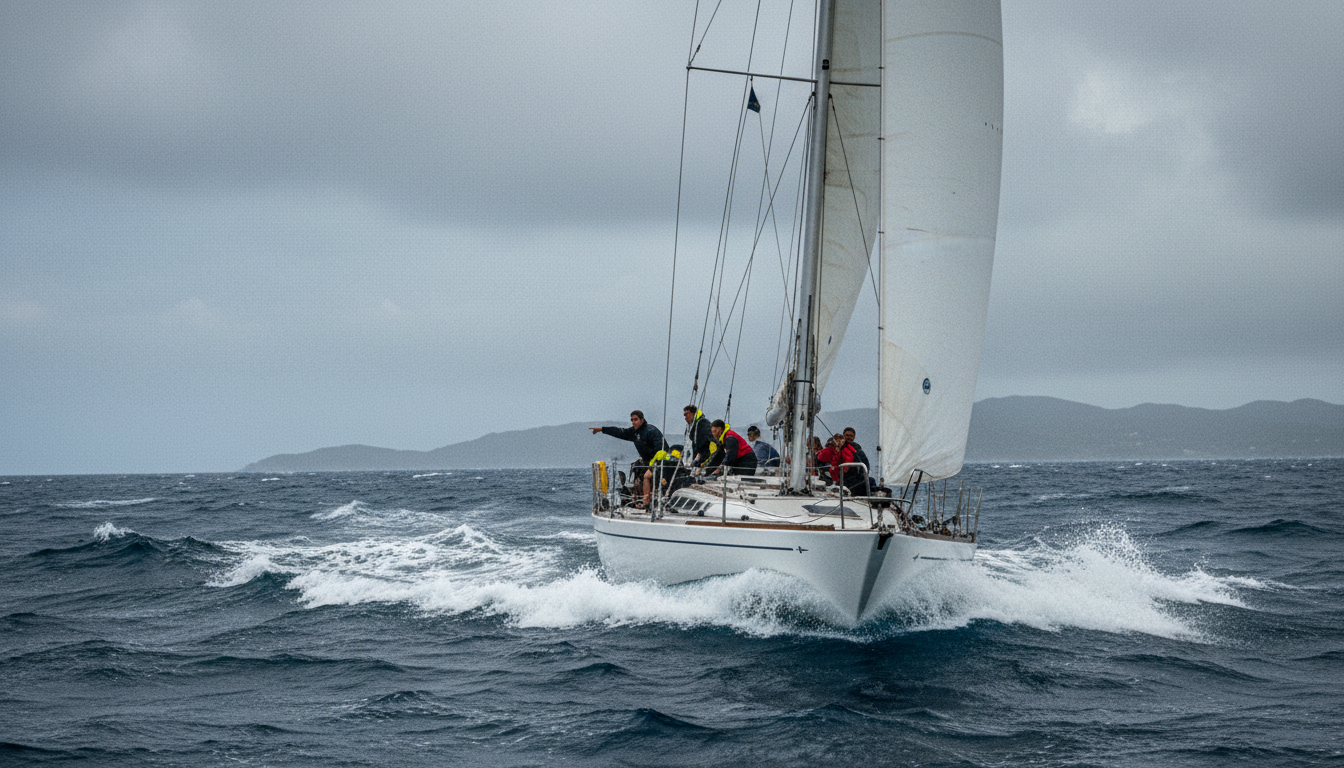
From Antigua, on Monday 22 February 2027, the 18th edition of the RORC Caribbean 600 will begin. This yacht race, organized by the Royal Ocean Racing Club in association with the Antigua Yacht Club, remains a fixture on the international sailing calendar. Its reliable schedule contrasts with a Caribbean region where the terms of arrival and experience are subject to wider, often unpredictable, currents.
The prospect of international travelers arriving for such a high-profile event unfolds against a backdrop of regional complexities that influence travel. The New York Times reported on January 3, 2026, on canceled flights in the Caribbean, a practical consideration for anyone planning a visit. The European Union, according to CNBC, urged Caribbean nations to reconsider 'golden passport' programs or face potential travel restrictions. Such developments suggest that external pressures can reshape how international visitors, including those drawn by events like the RORC Caribbean 600, engage with the region.
The context surrounding the Caribbean involves security and diplomatic considerations. Former President Trump, as reported by ABC News, stated the United States was engaged in formal 'armed conflict' with 'terrorist' drug cartels. Separately, The Washington Post noted on November 22, 2025, that the FAA warned pilots to 'exercise caution' over Venezuela due to escalating tensions. While distinct from a yacht race, these reports contribute to a broader perception of the region, where the tranquil image often associated with sailing events meets a more intricate reality.
Environmental factors also consistently shape the Caribbean experience. Tropical Storm Sara, reported by AP News, served notice that the hurricane season was not yet over. The annual recurrence of such weather events signifies that this region, by its geography, must contend with natural forces that influence both its landscape and its accessibility. These environmental realities affect infrastructure and travel patterns for residents and visitors alike.
The RORC Caribbean 600, with its precise organization and competitive challenge, speaks to an enduring human desire for both achievement and escape. Yet, the broader regional context presents a layered narrative for those arriving. This situation offers a lens for the Asia-Pacific, where destinations also balance the promise of leisure with geopolitical shifts, environmental concerns, and evolving travel regulations. Bloomberg.com reported a US criticism of China over a nuclear missile test in the Pacific Ocean; while this specific event is unrelated to tourism, it signifies a type of regional tension that can influence perceptions of stability. The success of any destination, whether in the Caribbean or the Pacific, increasingly depends on navigating a world in motion, one that is sometimes turbulent, sometimes calm.
Sources
Newsletter
Pacific Daily
A curated briefing from Thailand, Asia-Pacific and the world.