Border Levies and Dry Pipes Along the Pacific Rim
Mexico weighs higher visitor entry fees while environmental protests in Guadalajara expose the friction beneath leisure travel
Pavement outside airport terminal corridors absorbs heat long before transfer buses finish their opening circuits. Incoming passengers move through immigration channels where passports receive stamps, baggage carousels turn beneath strip lighting, and administrative counters collect border duties. Across transit gateways lining the ocean, this arrival routine functions with bureaucratic detachment. Yet on a recent Thursday, a federal morning briefing linked those quiet processing queues to civil unrest, revealing the structural friction dividing leisure revenue from basic municipal survival.
During that briefing, President Sheinbaum addressed two sharply conflicting administrative matters. In Guadalajara, the National Human Rights Commission, known as CNDH, initiated an inquiry into Police actions after officers broke up a Sunday march against municipal water contamination. Security personnel used water cannons and tear gas against crowds, detaining multiple young participants amid subsequent allegations of physical abuse in custody. Simultaneously, executive authorities reviewed a proposal from Tourism Minister Josefina Rodr and the Tourism Ministry to adjust entry tariffs. Under that plan, foreign visitors would pay USD 63 for the permit known as Derecho de No Residente.
The Price of Entry
Border planners often treat entry duties as self-contained fiscal transactions. When administrative offices raise border charges, the policy assumes that foreign travelers absorb small price increases without reconsidering their journeys. Official treasuries welcome incoming capital, allocating funds toward federal balances or security operations overseen by the Ministry of National Defense and Security Minister Omar Garc Harfuch.
Border transactions evaluate the arriving passenger as an isolated consumer, detached from degraded water lines under urban streets.
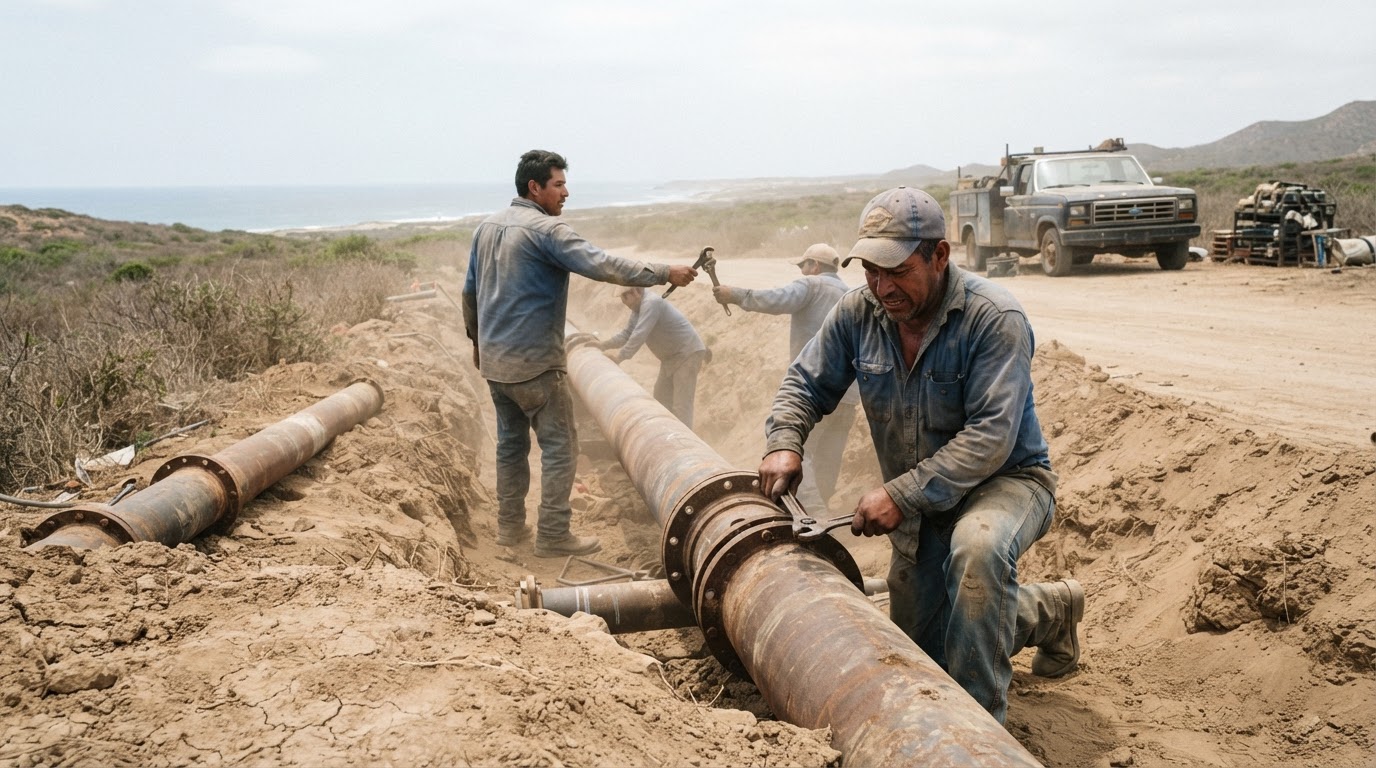
What civic assemblies demonstrate is the precarious environment beneath that fiscal calculus. When residents gathered on Sunday in Guadalajara, their central grievance was contaminated tap water, an immediate threat to neighborhood health. Law enforcement answered that environmental demand with tactical suppression, triggering independent reviews of officer conduct. That division shows an uncomfortable contrast: federal ministries seek USD 63 per arrival at airport gates to finance central budgets, while urban populations contend with contaminated pipelines and riot control.
Similar administrative pressures recur across other Pacific jurisdictions. In Australia, human rights watchdogs and government oversight panels frequently examine how authorities police public demonstrations as municipal services decay. When governing bodies extract financial windfalls from cross-border movement without securing domestic water networks, leisure hubs slowly transform into guarded compounds.
Fractured Ground
State officials defend increased entry levies on pragmatic grounds. They maintain that airport logistics, frontier surveillance, and public safety require reliable funding mechanisms. Without stable foreign revenue streams, peripheral jurisdictions struggle to support judicial institutions, a vulnerability demonstrated when David Vergara of Pueblos Unidos briefly walked out of Morelos custody. From an administrative viewpoint, raising an arrival duty represents rational fiscal management.
Yet that institutional rationale incorrectly assumes leisure transit exists apart from civic stability. Foreign visitors do not travel within an isolated bubble. Every hotel tap, transfer highway, and commercial dining room draws from shared aquifers and regional infrastructure. Raising entry fees while municipal pipes deteriorate and environmental demonstrators face police batons reveals a brittle political settlement. If cross-border travel taxes function merely to finance state machinery while civic water systems rot, tourism ceases to build economic durability and simply mirrors urban decay.
Sources
Newsletter
Pacific Daily
A curated briefing from Thailand, Asia-Pacific and the world.