Bangkok's EV Rubbish Trucks: A Budget Move with Broader Implications for Expat Life
The city's planned shift to electric vehicles for waste collection highlights a pragmatic approach to urban challenges, touching on daily life and environmental goals.
BANGKOK
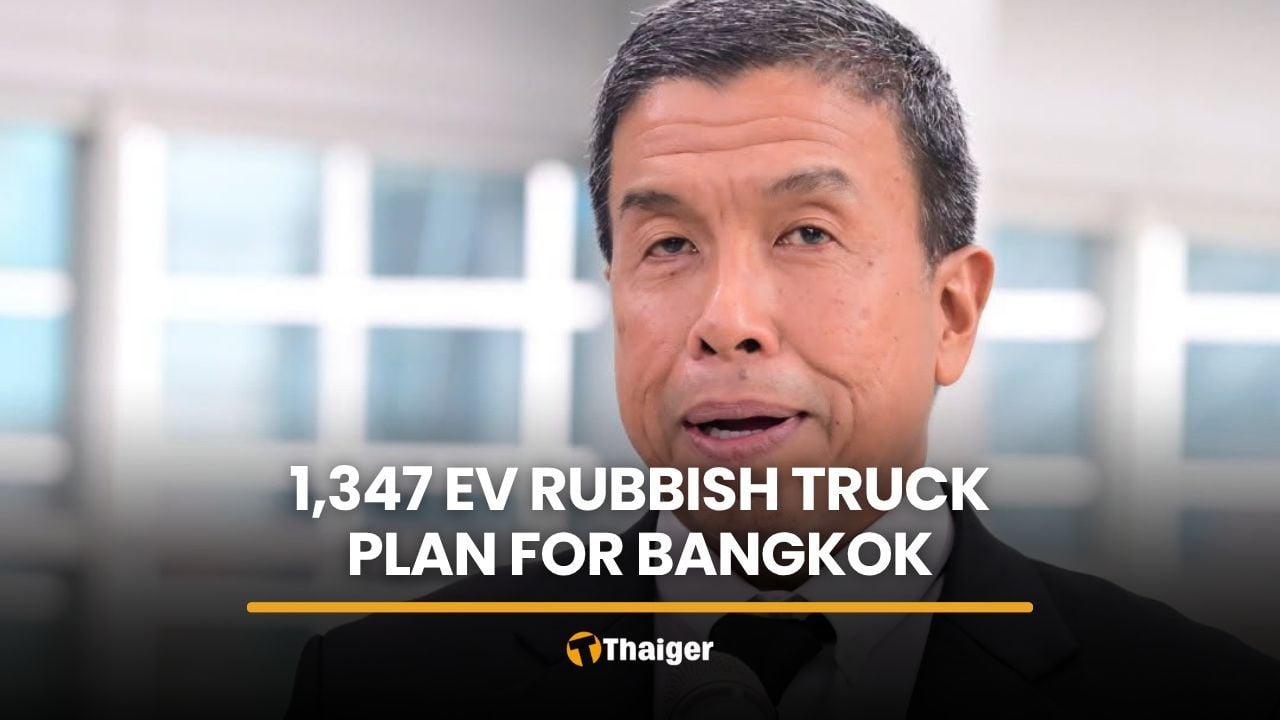
The Bangkok Metropolitan Council is currently reviewing a significant shift in the city’s waste management strategy, as part of its 2027 fiscal year budget. Governor Chadchart Sittipunt has proposed the leasing of 1,347 electric rubbish trucks, aiming to transition from the diesel fleet Bangkok has used for years. This move, currently undergoing its second and third readings before the council, is presented primarily as a cost-saving measure.
Governor Sittipunt stated on September 15 that switching from diesel to electric vehicles could save Bangkok approximately 4.745 billion baht in energy costs over five years. This financial argument is central to the proposal, underscoring a practical approach to municipal budgeting. Beyond the immediate fiscal benefits, the Governor also argued that the change would reduce operating costs, pollution, and noise, while maintaining daily waste collection services. The scale of the project suggests a considerable commitment to modernizing urban infrastructure.
The adoption of electric rubbish trucks, if approved, will affect daily life in Bangkok. Residents, including the city's significant expat population, may notice a reduction in ambient noise from these essential services. The claimed reduction in pollution also points to a potential improvement in urban air quality, an ongoing concern in many large Asian cities. Such changes, while seemingly incremental, contribute to the overall liveability of a city. The proposal links directly to a common resident concern: the daily impact of urban services on quality of life.
However, the long-term implications of this transition are not without questions. The immediate financial savings cited by Governor Sittipunt are attributed primarily to energy cost reductions. There is no information available regarding the initial capital expenditure for leasing these 1,347 electric vehicles, nor details about the maintenance costs for a large-scale EV fleet in Bangkok’s climate. The durability and efficiency of these specific electric rubbish trucks under daily operating conditions, which include navigating congested streets and handling heavy loads, will determine if the projected savings are realized over the five-year period.
The broader context for Bangkok includes a growing emphasis on innovation and sustainability, with the city hosting various Asia-Pacific initiatives, such as the Youth Co: Lab Summit 2026 and new cybersecurity regional hubs. This local government initiative, while distinct, aligns with a regional trend towards technological adoption for urban management. The success of Bangkok’s electric rubbish truck initiative could offer a practical case study for other cities in the Asia-Pacific grappling with similar challenges of urban growth and environmental impact.
Ultimately, the implementation and ongoing performance of this project will determine its actual impact. The decision by the Bangkok Metropolitan Council on the 2027 fiscal year budget will set the stage for whether the city can balance its financial objectives with environmental improvements in a tangible way for its residents.
Sources
Newsletter
Pacific Daily
A curated briefing from Thailand, Asia-Pacific and the world.