A Symphony on the Tongue: Penang's Culinary Crossroads Explored
From hawker stalls to heritage restaurants, Marcus Whitfield navigates a self-guided odyssey through Malaysia's food mecca.
SINGAPORE
It’s 6 AM in George Town, and the air already hums with an anticipation that isn’t just about the tropical humidity. It’s the promise of breakfast, Penang-style, a preamble to a day dedicated to unearthing the island’s legendary flavors. As Travel Editor for Pacific Press, I’ve traversed countless culinary landscapes, but Penang always calls me back, a siren song sung in the dialects of spices and simmering broths. This time, however, I’m foregoing the guided tours, opting instead for a self-guided immersion, letting my palate be my compass.
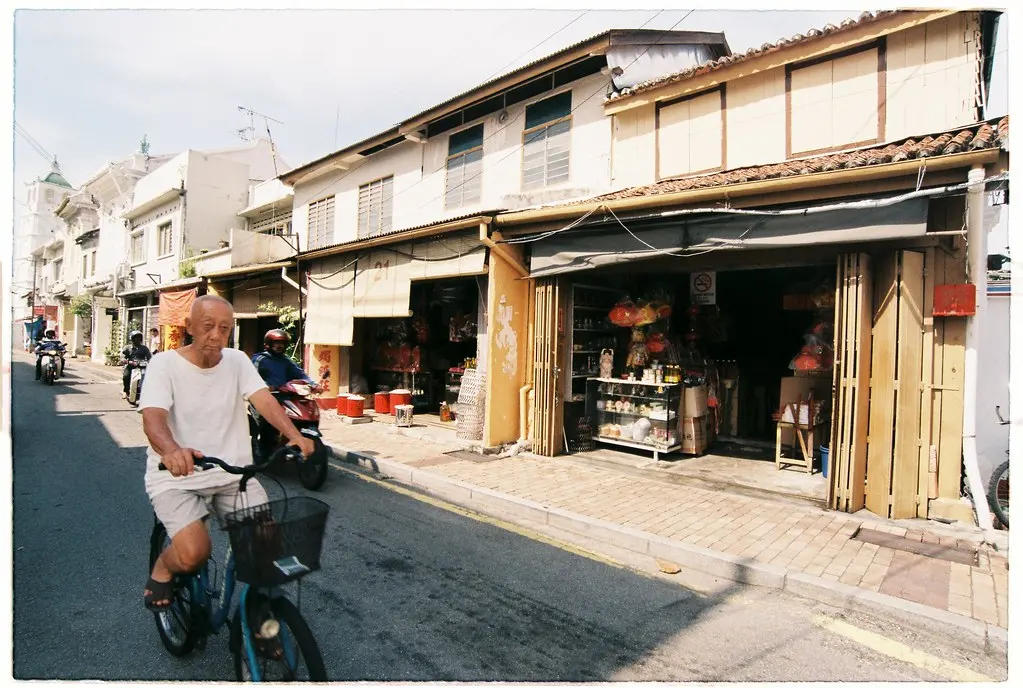
My first stop, an unassuming stall near a pre-war shophouse, served up a Char Kway Teow that redefines the dish. The flat rice noodles, wok-hei kissed to perfection, mingled with plump prawns, cockles, bean sprouts, and a hint of smoky lap cheong. It wasn't just food; it was an education in texture and balance, each ingredient playing its part in a symphony orchestrated by a master wielding a spatula. This is the bedrock of Penang's appeal: the unwavering dedication to craft, often passed down through generations, found in the most humble of settings.
Penang, truly, is a melting pot. Its position on historical trade routes forged an indelible link between Chinese, Malay, Indian, and Peranakan cultures, creating a culinary heritage so rich it demands exploration at your own pace. A self-guided tour here isn't just about eating; it’s about understanding the stories behind the dishes, the confluence of traditions that make each bite unique.
The Peranakan Palette
Later that morning, the aromas shifted. A short walk led me to a heritage restaurant specializing in Nyonya cuisine. Stepping inside felt like walking into a vibrant painting. The Nonya, or Peranakan, people are descendants of early Chinese migrants who intermarried with local Malays, evolving a distinct culture and, crucially, a distinct cuisine. I ordered Ayam Buah Keluak, a dish famously challenging to prepare, involving the poisonous keluak nut rendered edible through painstaking preparation. Its earthy, complex, almost chocolatey bitterness, balanced by the tender chicken in a rich gravy, was an experience unto itself. This isn't food for the faint of heart or the unadventured palate; it's a deep dive into an intricate cultural narrative.
What strikes me about Penang is the sheer accessibility of these culinary treasures. You don't need reservations at Michelin-starred establishments to experience gastronomic brilliance. It’s found on street corners, in bustling markets, and tucked away in unassuming eateries. My afternoon saw me navigating the labyrinthine aisles of Chowrasta Market, succumbing to the allure of freshly made cendol. The shaved ice, swimming in coconut milk and palm sugar, topped with green rice flour jellies and red beans, was a cooling balm against the equatorial heat, a perfect interlude before the next adventure.
"To truly taste Penang, you must surrender to its rhythm, its myriad of flavors telling tales of centuries."
Indian Infusions and Evening Feasts
As dusk painted the sky in hues of orange and purple, my journey led me to Little India. The air, thick with the scent of spices and jasmine, pulled me towards a Banana Leaf restaurant. There, a dazzling array of curries, vegetables, and gravies was spooned onto a fresh banana leaf, a traditional, eco-friendly plate. The act of eating with my hands, mixing the various components, amplified the sensory experience. The Fish Head Curry, a robust, tangy, and spicy revelation, stood out. It was a potent reminder of the island’s Indian heritage, vibrant and unapologetically bold.
My final stop of the day, as night deepened, was at the legendary New Lane Hawker Centre. Here, under the glow of fluorescent lights and the cacophony of a hundred conversations, I sampled Assam Laksa. This isn’t the creamy, coconut-rich laksa of other regions. Penang’s version is a sour, spicy, tamarind-based fish broth, served with thick rice noodles, fresh vegetables, and a generous dollop of prawn paste. It’s an acquired taste for some, but for me, it’s the definitive taste of Penang, a complex interplay of sweet, sour, spicy, and umami that leaves an indelible mark.
A self-guided food tour in Penang is more than just a series of meals; it’s an immersive cultural education. It’s a testament to how food can bridge divides, tell stories, and create an emotional connection to a place. Each bite is a whispered history, a vibrant tradition, a testament to the island's enduring legacy as Asia's culinary crossroads. Marcus Whitfield, signing off from a truly satisfying assignment.
Newsletter
Pacific Daily
A curated briefing from Thailand, Asia-Pacific and the world.