Noodle Nations: A Culinary Odyssey Through Southeast Asia's Soulful Strands
From the fragrant streets of Hanoi to the bustling hawker centers of Kuala Lumpur, Mei-Ling Chow unravels the deep cultural threads woven into Southeast Asia's diverse noodle landscape.
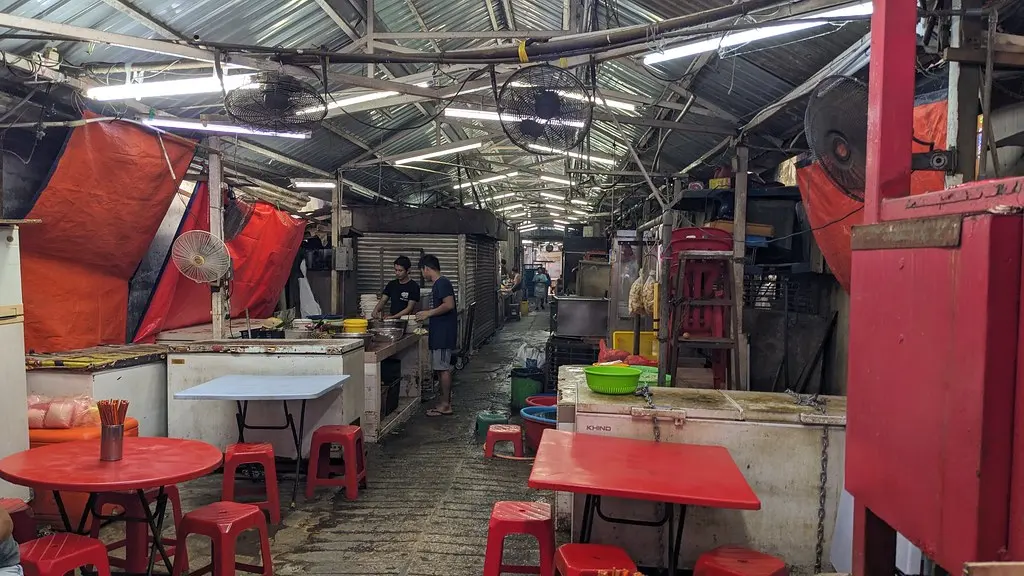
SINGAPORE
As a Global Affairs Correspondent, I’ve traversed countless borders, encountered myriad cultures, and witnessed the intricate dance of human connection. Yet, it’s often at the most unassuming street stall, hunched over a steaming bowl, that I find the truest essence of a nation. Southeast Asia, a region celebrated for its vibrant diversity and profound history, finds its culinary soul eloquently expressed through its noodle traditions. These aren't merely meals; they are narratives, etched in broth and woven into strands, telling tales of geography, history, and community.
Take Vietnam, for instance, where pho reigns supreme. It’s more than just rice noodles, herbs, and beef or chicken in a clear, aromatic broth. Pho is the morning ritual, the late-night comfort, the national embrace. Born from French culinary influence and Vietnamese ingenuity, its rich, slow-simmered bone broth is a testament to patience and precision. The alchemy of star anise, cinnamon, ginger, and cloves creates a symphony of fragrance that beckons from every corner. Eating pho is an act of communion – with the past, with fellow diners, and with the very spirit of Vietnam. The slurp of the noodles, the burst of fresh basil, the tang of lime, the heat of chili – each element is a deliberate contribution to a perfectly balanced whole. It’s a dish that adapts to its locale, from the richer, sweeter broths of the south to the clearer, simpler versions of the north, yet its core identity remains undeniably Vietnamese.
Crossing into Malaysia, the noodle landscape shifts dramatically, reflecting the country's multi-ethnic tapestry. Here, Laksa emerges as a formidable contender for the region's most iconic noodle dish. But to speak of 'Laksa' is to oversimplify; it's a family of dishes, each a distinct regional masterpiece. The fiery, coconut-rich Curry Laksa of Kuala Lumpur and Penang Assam Laksa, with its sour, tamarind-infused fish broth, are worlds apart yet equally captivating. Curry Laksa, often found bubbling in hawker stalls, is a sensory overload: a creamy, spicy, fragrant melange of coconut milk, chili paste, and a medley of spices, usually served with thick rice vermicelli, shrimp, chicken, and often a hard-boiled egg. It's a dish that perfectly encapsulates Malaysia’s blend of Malay, Chinese, and Indian culinary traditions, a true melting pot in a bowl. Assam Laksa, on the other hand, offers a thrilling counterpoint: its tartness and the distinct flakiness of mackerel stand in bold contrast to the creamy comfort of its curry cousin. This diversity isn't just about ingredients; it's about identity, about how communities use food to express their unique heritage while contributing to a larger national palate.
The Philippines, with its archipelago of islands, offers Pancit, a broad category encompassing various stir-fried or saucy noodle dishes. From Pancit Canton, a hearty Chinese-influenced stir-fry, to Pancit Palabok, with its distinctive orange shrimp-based sauce and crushed chicharron, these dishes are staples at every Filipino gathering, from simple family meals to grand celebrations. Each region, each family even, has its own rendition, passed down through generations. They are often symbolic of long life, making them essential at birthdays. Similarly, Thailand's Pad Thai, a global ambassador for Thai cuisine, speaks volumes of ingenuity and adaptation. While its modern form is relatively recent, evolving as part of a national identity campaign, its sweet, sour, and savory balance, combined with crunchy peanuts and fresh lime, has secured its place in the global culinary lexicon. It's a dish that beautifully marries local ingredients with a technique that brings out complex layers of flavor.
"The slurp of noodles across Southeast Asia isn't just sustenance; it's the rhythm of life, a language spoken in every bowl."
Indonesia's Bakmi and Mie Ayam, Cambodia's Nom Banh Chok, Laos's Khao Piak Sen—the list continues, each dish a testament to the profound connection between food and culture. These noodle dishes are more than just sustenance; they are comfort, history, and identity, served up in a bowl. They represent the ingenuity of people adapting to their environment, trading influences, and preserving traditions. As I reflect on these diverse regional noodle cultures, it's clear that the true flavor of Southeast Asia isn't just in its spices, but in the stories these humble strands tell. And as a correspondent whose work often involves dissecting the complex tapestry of global affairs, I find that sometimes, the most profound insights are discovered not in diplomatic cables, but in the depths of a fragrant, steaming bowl of noodles.
Newsletter
Pacific Daily
A curated briefing from Thailand, Asia-Pacific and the world.