Phuket Old Town: A Taste of Peranakan History in Every Bite
Beyond the beaches, Yuki Morimoto uncovers the enduring flavors and family legacies of Phuket's Straits Chinese cuisine.
PHUKET
PHUKET – Forget the island’s glittering beaches and bustling tourist traps for a moment. To truly understand Phuket, you must venture into the heart of its Old Town, where a different kind of treasure awaits: the enduring culinary legacy of its Peranakan, or Baba Nyonya, community. This isn't just food; it’s a living museum, a testament to generations who’ve meticulously preserved a unique blend of Chinese and Malay influences.
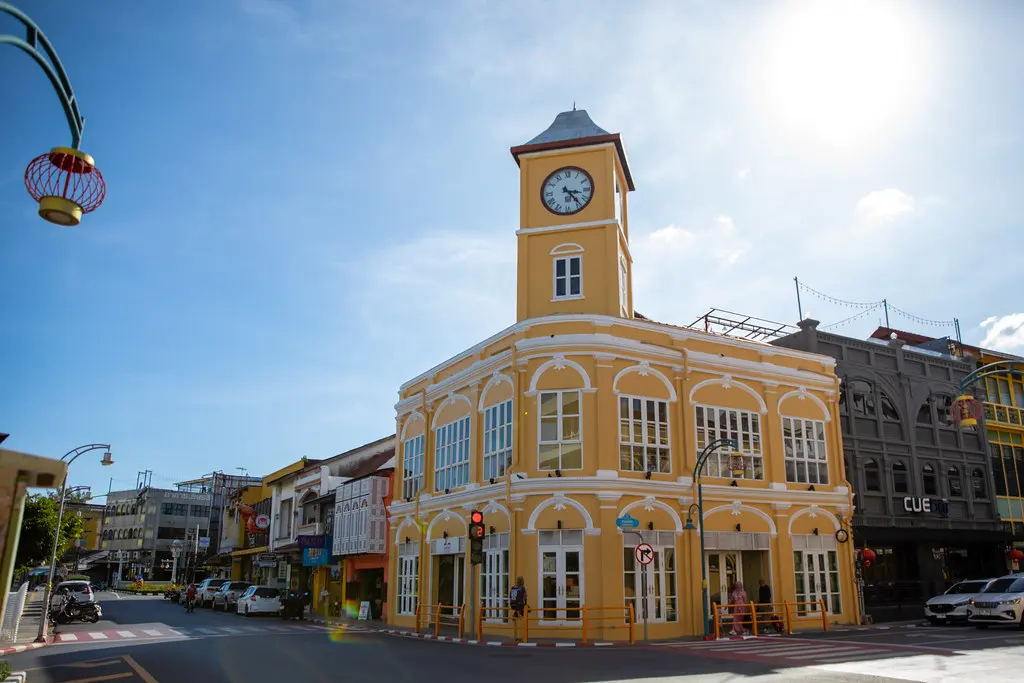
My journey begins on Thalang Road, among the vibrant Sino-Portuguese shophouses. The scent of star anise and pandan hangs in the humid air, drawing me into a world far removed from the resort strips. My first stop is Raya Restaurant, an institution revered by locals and discerning visitors alike. While some guidebooks might dismiss it as 'touristy' due to its popularity, such a label misses the point entirely. Raya’s yellow curry with crabmeat, served with crispy noodles, is a masterclass in balance – sweet, spicy, and profoundly aromatic. It's a dish perfected over three generations, each spoon a deep dive into the island's culinary soul. The proprietress, Khun Wanida, a woman with eyes that sparkle with stories, tells me her grandmother's recipes are non-negotiable. "We still grind our own spices, every morning," she says, gesturing towards a mortar and pestle that looks like it's seen decades of faithful service.
The Spice Route of Memory
Venturing deeper, I find myself at One Chun Cafe & Restaurant, a more contemporary setting but with roots just as deep. Here, the 'Phuket Peranakan' identity is celebrated with a vibrant energy. Their stir-fried shrimp paste with bitter beans (Pad Sato Goong) is a bold declaration of flavor. The bitter beans, often an acquired taste, are perfectly harmonized by the pungent shrimp paste and sweet fresh prawns. It’s a dish that demands attention, reflecting the strong, independent spirit of the Nyonya women who often ran these kitchens. The owner, Khun Warisa, explains that while presentation has evolved, the core flavors remain untouched. “Our grandmothers taught us that the soul of the dish is in the quality of the ingredients and the precision of the spice paste,” she recounts, demonstrating a reverence that transcends mere business.
"To taste these dishes is to taste the history of Phuket itself, a blend of cultures, resilience, and unwavering dedication to flavor."
But for a truly intimate experience, I seek out Mee Ton Poe, a legendary noodle shop that has served Hokkien noodles for over 70 years. While not strictly Peranakan in the way Raya or One Chun might be, its existence is intrinsically linked to the same immigrant waves that brought Peranakan culture to Phuket. The thick, yellow Hokkien noodles, stir-fried with seafood, pork, and a rich, dark sauce, are utterly addictive. The simple, bustling ambiance, with families sharing tables, speaks volumes about its place in the community. Here, the 'three generations' isn't just a marketing ploy; it's the very fabric of the establishment, with the current owner, Khun Prawit, having taken over from his father, who learned from his own father before him.
More Than Just a Meal
These family-run establishments are not just restaurants; they are custodians of history. They remind us that true culinary heritage isn't about trendy reinvention, but about faithful preservation. While some might argue that the 'authenticity' of Peranakan food outside of Penang or Malacca is debatable, Phuket's version stands proudly on its own, shaped by its unique geographical and historical context. It’s a testament to adaptation and fusion, creating something distinctly Phuketian. My final observations: the dedication to hand-ground spices, the unwavering adherence to ancestral recipes, and the palpable pride radiating from each owner are what make these places not just 'hidden gems' but indispensable cornerstones of Phuket's identity. They offer a deep, flavorful narrative that every visitor deserves to experience.
Newsletter
Pacific Daily
A curated briefing from Thailand, Asia-Pacific and the world.