Beyond the Cart: Chiang Mai's Street Food Innovators Redefining Thai Classics
From charcoal-grilled skewers to noodle soups, a new generation of vendors is transforming humble street eats into gourmet experiences through refined techniques and a commitment to sustainability.
CHIANG MAI
CHIANG MAI, THAILAND – The scent of lemongrass and galangal, the sizzle of oil, the murmur of a thousand conversations – this is the soul of Chiang Mai's street food scene. For decades, these bustling markets and roadside stalls have been the lifeblood of Thai culinary culture, offering an accessible, vibrant tapestry of flavors. But something new is stirring beneath the familiar canvas of plastic stools and steaming woks. A quiet revolution is underway, driven by a new generation of street food vendors who are elevating classic dishes with gourmet techniques and a conscious commitment to sustainable sourcing.
Gone are the days when 'street food' automatically meant simple, quick, and often, a little anonymous. Today, I've observed a distinct shift towards artistry and intentionality. Take, for instance, Chef Ake, proprietor of ‘Khao Soi Mae Noi’ – a name that, ironically, suggests a humble family recipe. His khao soi, Chiang Mai's iconic curry noodle soup, is anything but ordinary. While the foundational elements remain – springy egg noodles, rich coconut curry, pickled mustard greens – Ake’s approach is meticulous. He sources his chicken from a small, free-range farm just outside Mae Rim, ensuring both ethical treatment and superior flavor. His curry paste, often bought pre-made by other vendors, is painstakingly ground fresh each morning from organic, locally-grown chilies and spices. The result is a khao soi with a depth of flavor and a silky, almost ethereal broth that resonates long after the last spoonful. It's an indulgence, priced only marginally higher than its traditional counterparts, but delivering an experience that feels significantly more refined.
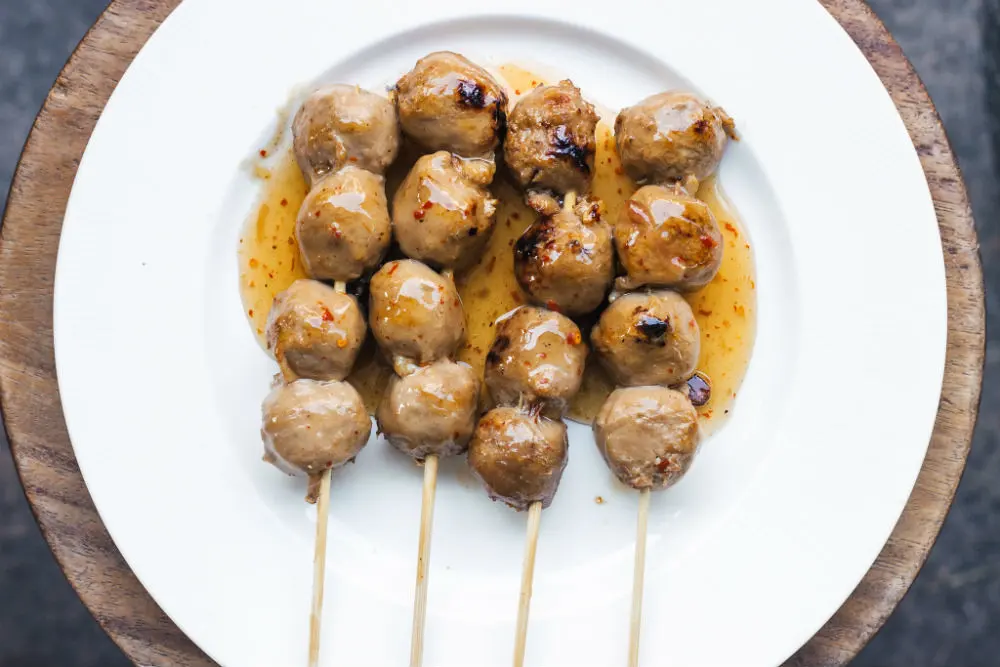
This isn't an isolated phenomenon. Down a quiet soi near the Iron Bridge, I discovered Mae Fong, a septuagenarian whose family has sold grilled pork skewers (Moo Ping) for three generations. While Mae Fong still handles the marination, her grandson, Somchai, has introduced a crucial upgrade: bespoke charcoal. Instead of generic briquettes, he uses meticulously selected fruitwood charcoal from sustainable orchards, which imparts a subtle, smoky sweetness to the pork that is utterly distinctive. His accompanying sticky rice is steamed in bamboo leaves, absorbing their delicate aroma, and served with a vibrant, freshly pounded nam jim jaew (dipping sauce) that balances sour, sweet, and spicy notes with remarkable precision. Somchai, a former culinary student, spoke passionately about 'honoring the ingredients' – a philosophy he applies not just to the pork but to every sprig of cilantro and every grain of rice.
"The street is our kitchen, but our canvas has expanded. We're showing that Thai food, even at its most accessible, can be art." - Chef Ake, Khao Soi Mae Noi
These innovators aren't simply chasing trends; they are responding to a growing demand for transparency and quality, both from locals and increasingly discerning international visitors. They embody a quiet pride in their heritage, coupled with a forward-thinking vision. Their 'gourmet techniques' often involve refining age-old practices, such as slow-cooking broths for hours longer, perfecting the fermentation of sauces, or precisely balancing flavor profiles to achieve a symphony rather than a mere medley. The emphasis on sustainable sourcing isn't just about environmental consciousness; it's intrinsically linked to flavor. Locally sourced, high-quality ingredients simply taste better, and these vendors understand that.
The Future of Thai Street Food
What this movement signifies is a maturing of the street food landscape. It's a testament to the resilience and adaptability of Thai culinary traditions. These vendors, with their often humble setups, are effectively blurring the lines between traditional street fare and upscale dining. They operate without the overheads of a brick-and-mortar restaurant, allowing them to invest more in premium ingredients and their own meticulous labor, passing on exceptional value to the customer. Their success is a powerful argument against the notion that affordability must come at the expense of quality or ethical sourcing.
Chiang Mai, with its rich agricultural surroundings and established food culture, is proving to be fertile ground for this evolution. These 'hidden gems' are not just feeding people; they are telling stories, preserving heritage, and, crucially, innovating. As I sampled a particularly exquisite plate of Pad Thai, served with plump, wild-caught river prawns and tamarind paste made from scratch, it became clear: the future of Thai street food isn't just about preserving tradition, but about elevating it, one artfully crafted dish at a time. This quiet revolution promises a delicious and sustainable path forward, ensuring that the magic of Thai street food continues to captivate palates, both local and global, for generations to come.
Newsletter
Pacific Daily
A curated briefing from Thailand, Asia-Pacific and the world.