A Fall at Pha Taem: Rethinking Safety in Thailand's Parks
The death of a tourist at a national park waterfall highlights the ongoing challenge of balancing natural appeal with visitor safety and emergency preparedness.
SINGAPORE
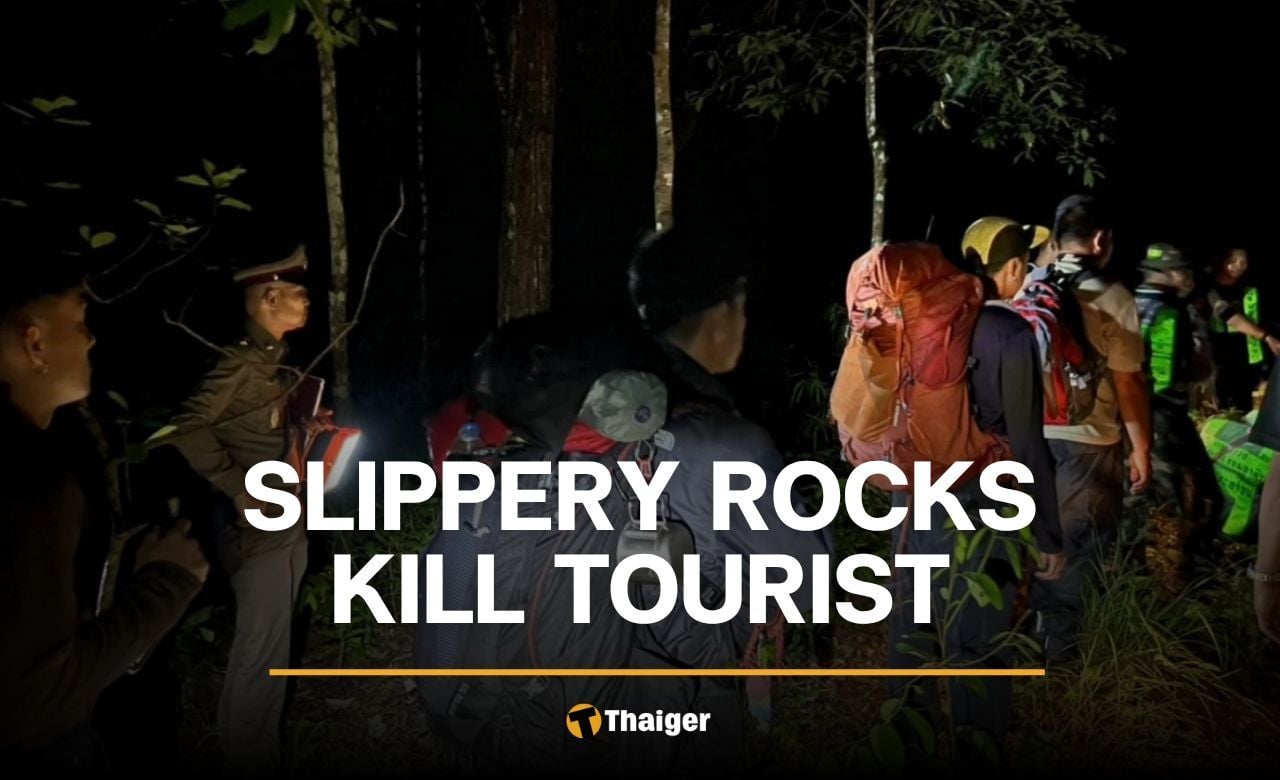
A 48-year-old woman died after falling more than 10 metres at Kwang Tone waterfall in Pha Taem National Park on September 18. She was photographing the waterfall when she slipped. Rescuers walked three kilometres of forest trail and took more than two hours to reach her. This incident, reported by The Thaiger, points to a persistent tension in Thailand’s approach to natural attractions.
National parks attract many visitors. For many people, these parks offer an escape. The emphasis on attracting visitors, however, does not always correspond with investments in safety infrastructure or emergency response capabilities. The fact that rescuers took over two hours to reach the woman, even after Park chief Pramuan Rattanawan alerted Khong Chiam police at about 4pm on Friday, September 18, suggests that rapid response protocols for remote areas may be insufficient. Pol. Col. Santiphap Saingam, investigators, and a doctor from Khong Chiam Hospital responded with park staff and rescue volunteers. This situation is not an isolated event; it reflects a broader pattern where natural sites, while drawing crowds, face limitations in ensuring visitor safety, particularly when incidents occur in less accessible locations.
Such incidents, while not immediately visible in economic data, affect household finances. A death, or even a serious injury, at a natural attraction can generate negative publicity, which may discourage potential visitors. For local communities and businesses that rely on tourism revenue from national parks, a decline in visitor numbers directly impacts their income. This is especially relevant for parks like Pha Taem, which may not receive the same level of funding or commercial development as some larger, more internationally recognized destinations. The question then becomes: how do the costs of enhanced safety measures, such as clearer signage, improved pathways, or faster emergency response systems, compare to the potential economic loss from reduced tourism due to safety concerns? For a national park to remain viable, it must balance its natural environment with the safety of its patrons.
Recent severe weather events in the region add another layer of complexity. Flooding across Southeast Asia in late 2025, described by the BBC as 'once in 300 years' rain, caused significant devastation. Reuters reported widespread damage, and The Washington Post noted that severe flooding in Thailand alone killed at least 33 people and stranded tens of thousands. The Diplomat observed that authorities struggled to respond to these floods across Thailand, Malaysia, and Indonesia. While the fatality at Pha Taem occurred before these widespread floods, such weather patterns raise questions about the long-term resilience and safety of natural attractions. Increased rainfall can make trails more slippery, raise water levels, and increase the risk of landslides, making already challenging environments more dangerous. The current incident, therefore, might be an indication of wider safety concerns at natural sites, particularly as environmental conditions become less predictable.
The economic models for national parks often prioritize visitor numbers over the comprehensive safety measures needed for increasingly risky environments.
The counterargument is that individuals must take personal responsibility for their safety, especially in natural settings. Park regulations and warning signs exist, and visitors are expected to exercise caution. One could also argue that extensive infrastructure might detract from a site’s natural character, the quality that initially attracts visitors. However, the role of park authorities extends beyond warnings; it includes assessing risks, maintaining trails, and ensuring that emergency services can respond effectively when incidents occur. The two-hour response time in this specific case suggests that this balance was not effectively maintained.
The death of the woman at Kwang Tone waterfall serves as a reminder that natural beauty contains inherent risks. For Thailand, and the broader Asia-Pacific region, the incident underscores the need for a re-evaluation of safety protocols and emergency preparedness at national parks. The continued viability of these natural attractions for both tourists and the local economies they support will depend on whether authorities can address these safety gaps, particularly as environmental conditions continue to change.
Sources
Newsletter
Pacific Daily
A curated briefing from Thailand, Asia-Pacific and the world.