The Expensive Calculus of Retail Dining
Kith pairs apparel boutiques with adjacent restaurants for its 2027 rollout, testing whether dining can subsidise foot traffic in high-cost cities
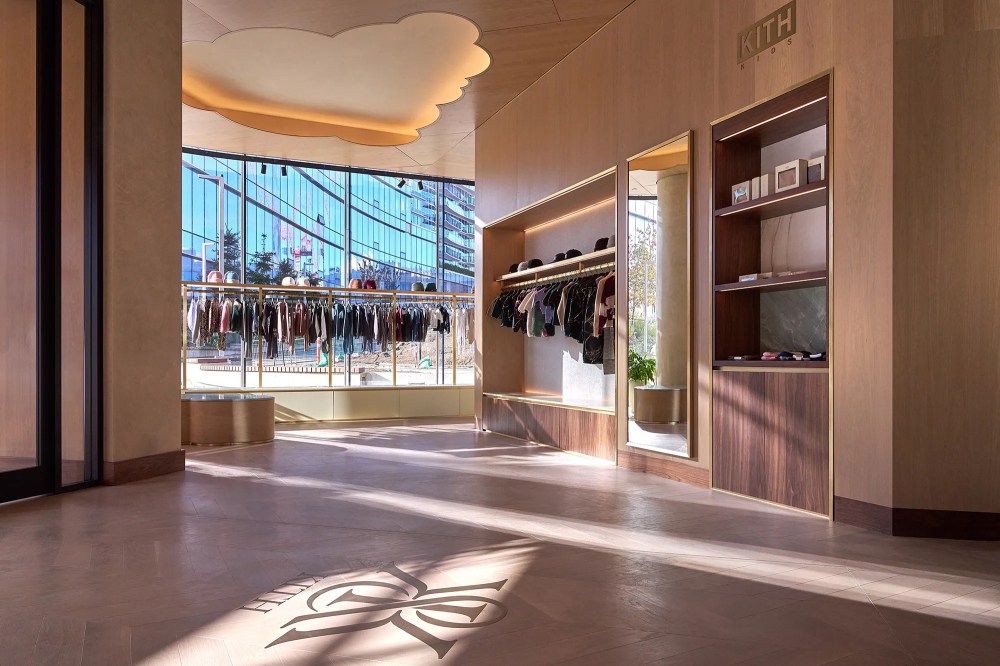
Apparel retail and food service operate on opposing economic fundamentals, yet lifestyle brands increasingly treat dining rooms as interchangeable extensions of the showroom floor. The strategic assumption suggests that increasing patron dwell time converts directly into premium garment transactions. Yet managing an active kitchen introduces volatile operating burdens that clothing stores rarely confront, turning hospitality from a customer acquisition tool into a perpetual overhead liability.
When Kith founder and chief executive officer Ronnie Fieg addressed the WWD Apparel and Retail CEO Summit at Casa Cipriani in lower Manhattan on Tuesday, he confirmed multi-city expansion plans for 2027. Under this roadmap, the label will open boutique locations in San Francisco and the District of Columbia, with full dining rooms established adjacent to both retail spaces. That announcement followed the debut of a second Canadian flagship in Vancouver. In conversation with Michael Atmore, Fieg stated he was wrapping up design for the upcoming sites while declining to specify exact calendar opening dates. Corporate positioning indicates that dining is no longer an ancillary concession, but a permanent structural wing of the real estate footprint.
The Cost of Commercial Dwell Time
Streetwear labels historically established market authority through artificial scarcity, morning queue dynamics, and rapid inventory turns. As commercial operations mature across major gateway hubs in North America and the Pacific Rim, door footfall inevitably normalises into conventional weekend retail patterns. Apparel purchases occur periodically throughout the year, whereas food service answers daily domestic and professional routines. Integrating a seated dining room beside retail displays represents an operational gamble to smooth out that revenue volatility by converting transient passersby into captive diners.
A seated dining room generates recurring foot traffic, but hospitality introduces operational liabilities that apparel floors never confront.
This hybrid commercial layout immediately exposes conflicting balance-sheet mechanics. Garments occupy retail square footage without spoiling, requiring routine custodial care, static shelving, and seasonal markdown schedules. A restaurant contends with daily perishability, rigid municipal health inspections, food preparation waste, and non-negotiable kitchen payroll. Food and beverage operations routinely compress net operating margins down to single digits. If an adjacent dining room functions primarily as atmospheric marketing to maintain foot traffic around apparel racks, the clothing ledger must continuously absorb the kitchen's narrower margins and inventory losses.
Across Pacific gateway markets such as San Francisco and Vancouver, commercial landlords face shifting office occupancy and altered consumer walking patterns. For property developers, an integrated hospitality and apparel tenancy offers the appearance of structural risk mitigation, balancing destination shoppers with neighborhood lunch and dinner trade. Corporate executives frequently frame this combination as mutual brand elevation. From an operating perspective, however, the arrangement ties an enterprise with volatile operating costs to a retail sector already grappling with shifting physical footfall.
The Realities of Kitchen Overhead
Atmospheric interior design cannot alter the arithmetic of restaurant unit economics. Diners seated for a meal rarely purchase high-ticket garments between courses, just as shoppers queuing for seasonal apparel releases seldom commit to a full seated dining service. When consumer discretionary spending contracts, dining rooms experience immediate margin erosion through reduced beverage orders and lower cover counts. Apparel margins cannot easily subsidise kitchen labor and food waste when table turns decline.
Brand advocates maintain that hospitality deepens customer affinity and shields retail footprints from wider wholesale downturns. That strategic rationale, however, relies on an unproven conversion rate between restaurant seating and clothing checkout receipts. For the San Francisco and District of Columbia projects, Fieg is wagering capital that culinary operations will anchor long-term urban relevance. The unresolved operational tension is whether adjacent dining rooms can achieve independent commercial viability, or whether they will simply burden the retail floors with unforgiving kitchen overhead when doors open in 2027.
Sources
Newsletter
Pacific Daily
A curated briefing from Thailand, Asia-Pacific and the world.