Neighbourhood Hospitality Demands Collective Buffers to Survive Independent Retail
Independent beverage retail in residential enclaves depends on shared merchant alliances to absorb operational friction and demographic gatekeeping.
SINGAPORE
Independent beverage retail survives on foot traffic, yet residential dining corridors routinely extract punishing operating overhead before customer footfall solidifies into predictable custom. When a niche hospitality venture opens on an urban corridor, acquiring new patrons depends upon informal spatial proximity rather than institutional marketing budgets. On Maginhawa Street in Quezon City, the delicate arithmetic of maintaining an independent bottle shop highlights this persistent friction between low initial visibility and ongoing commercial maintenance. Operating on a dining strip requires constant customer acquisition, yet individual storefronts rarely possess the resources to command steady district-wide patronage without organized cooperation.
Rose Abes established La Rosa Vino along Maginhawa Street in February 2023, attempting to secure a commercial foothold in an industry shaped by entrenched male-dominated commercial habits. Wine commerce across the Philippines has historically relied upon formal corporate distribution channels and exclusive hospitality settings that reinforce intimidating barriers for unfamiliar consumers. Carving out an accessible cellar geared toward female patrons and curious neighborhood drinkers demands distinct floor techniques. It requires replacing aloof, technical sales postures with approachable tastings, structured educational discussions, and welcoming spaces designed to dismantle retail intimidation. Hospitality in this setting functions as an interpretive service, translating complex viticultural choices into accessible everyday choices for local residents.
The Mechanics of Collective Footfall
Service technique inside a single tasting room cannot resolve the external dilemma of pedestrian footfall. An independent shop carrying focused inventory cannot subsidise general street exploration on its own, especially when located in an enclave where consumers arrive with narrow dining objectives. To navigate this structural hurdle, Abes turned to the Maginhawa Food Community, a coalition of nearby independent operators coordinating patron flows across adjacent storefronts.
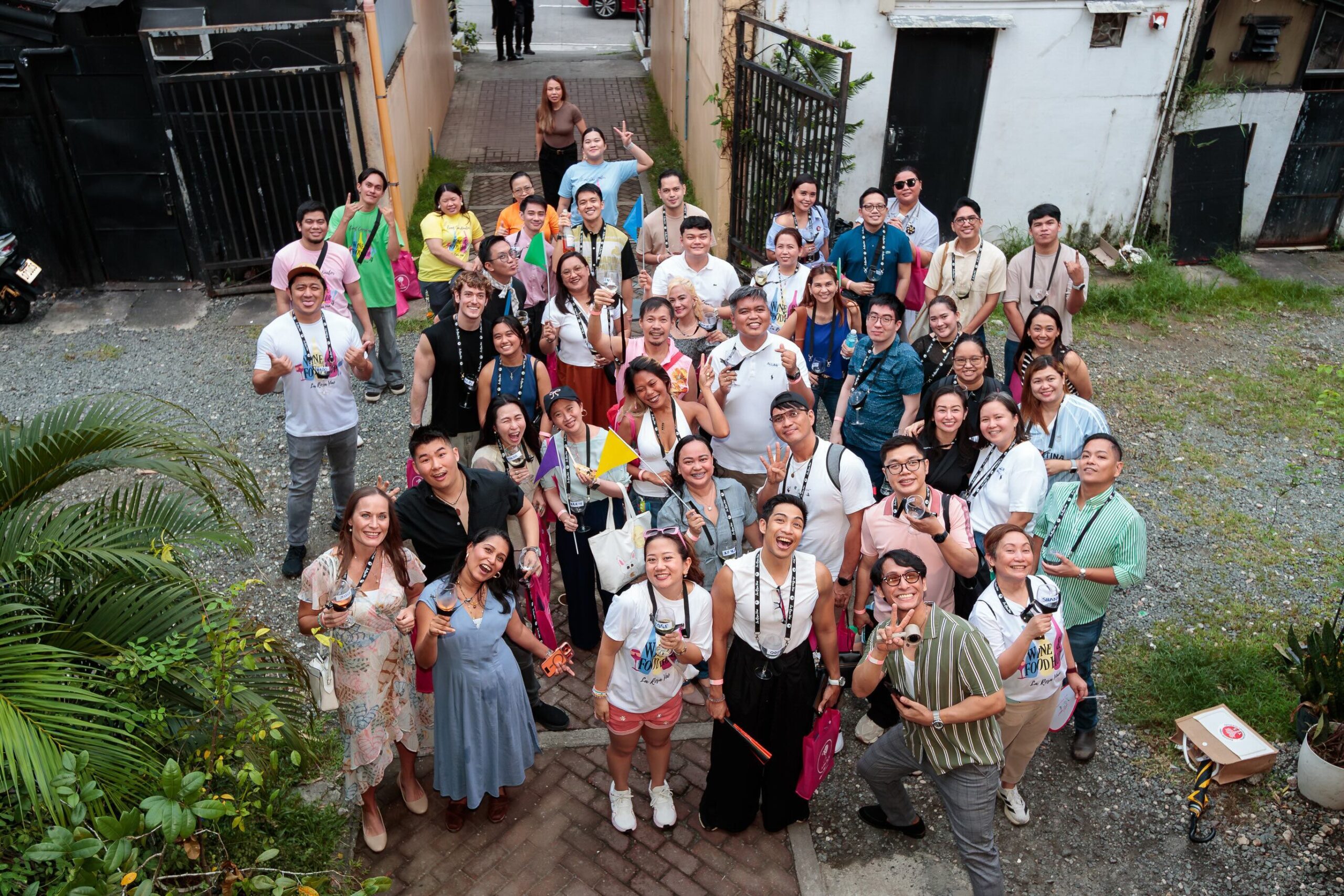
Collaborative initiatives such as the Wine and Food Hop demonstrate how local merchant associations function as vital shared infrastructure. Participating storefronts pool their established clienteles, directing groups along designated stops across Maginhawa Street. For an emerging enterprise, entering an organized multi-venue itinerary lowers individual acquisition costs that would otherwise drain thin operating margins. The collective format distributes promotional burdens across multiple kitchens and bars, transforming solitary diners into roving district patrons who sample varied hospitality concepts in a single evening.
Such mutual arrangements nevertheless encounter strict operational limitations. Coordinated tasting tours trigger short-term spikes in cash flow and cellar movement, but structured weekend excursions rarely translate into dependable, year-round purchasing volume. Participants in a multi-venue crawl frequently seek novelty and portioned pours rather than committing to recurring full-bottle retail acquisitions. Independent merchants must also absorb the practical toll of complex event logistics, brief staffing surges during collaborative evenings, and the reality that communal camaraderie cannot permanently offset base commercial overheads.
Retail Arithmetic and Commercial Longevity
Quezon City dining districts face relentless commercial attrition, where undercapitalised culinary initiatives regularly risk displacement by corporate hospitality chains and high-yield tenants. Maginhawa Street has repeatedly served as an experimental staging ground for independent food and drink ventures across the Philippines, yet operating past the initial launch phase demands strict fiscal discipline rather than temporary promotional momentum. When broader household budgets contract, specialty beverage retailers remain acutely exposed to fluctuations in discretionary consumer spending, making consistent neighborhood patronage essential for basic survival.
Merchant solidarity provides an indispensable buffer during the vulnerable early stages of a small enterprise, shielding lone proprietors from administrative and commercial isolation. Collective programming creates collaborative visibility that isolated advertising cannot match on a modest budget. Still, the long-term survival of an independent bottle shop rests on rigid retail fundamentals: supplier credit conditions, inventory velocity, and whether casual weekend participants return to buy bottles when coordinated neighborhood tours come to an end.
Sources
Newsletter
Pacific Daily
A curated briefing from Thailand, Asia-Pacific and the world.