Singapore Tests the Reach of Corporate Sanctions Against Transboundary Smog
Proposed statutory penalties targeting non-cooperative commercial entities expose the structural friction between domestic jurisdiction and regional environmental damage.
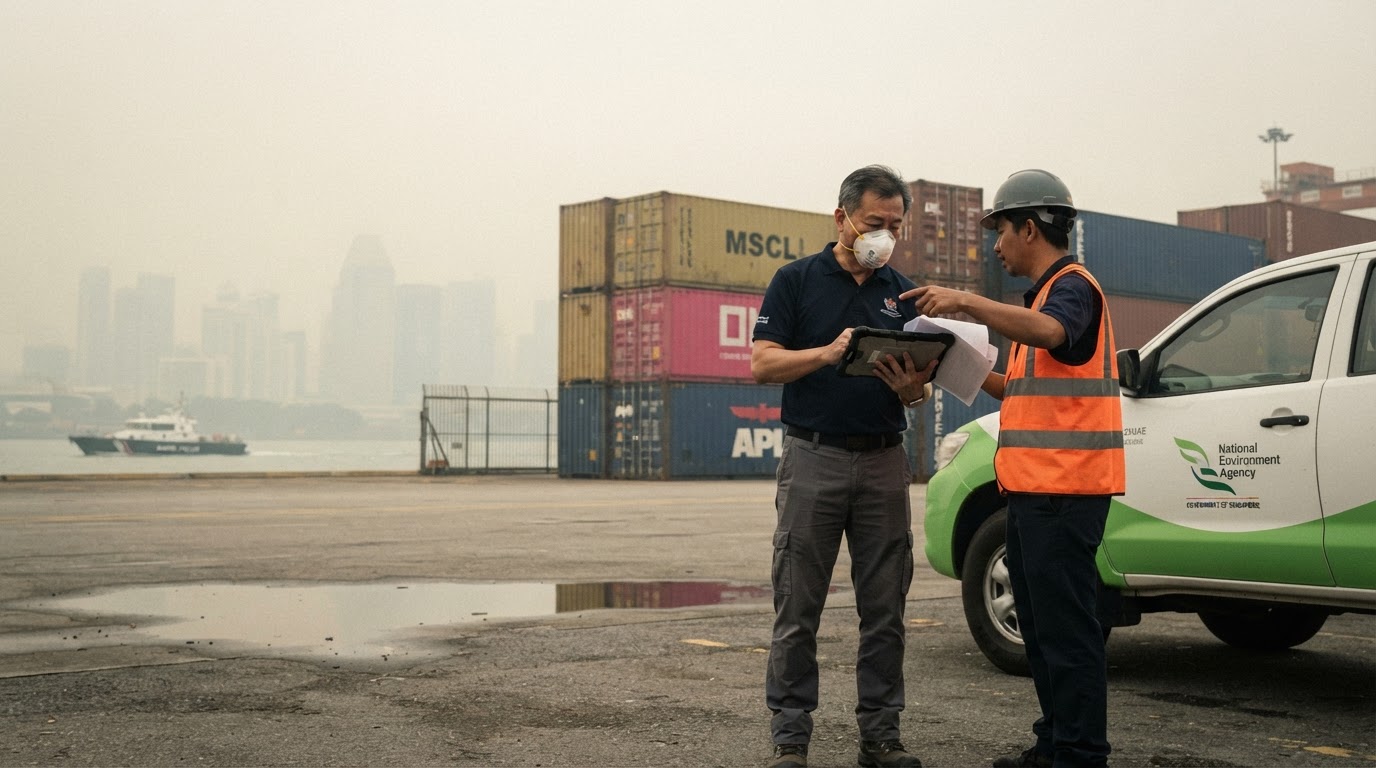
SINGAPORE
Cross-border environmental liability across Southeast Asia has historically rested on voluntary reporting and mutual diplomatic restraint, even as seasonal atmospheric degradation exacts its physical toll across populated shores. That comfortable detachment encountered a direct procedural challenge on Oct 28, 2026. Singapore convened the leadership of commercial enterprises under regulatory scrutiny, signalling that corporate residence can no longer function as a shield against transboundary environmental inquiries.
During an uncommon ministerial intervention, Deputy Prime Minister Gan Kim Yong, Senior Minister K Shanmugam, and Minister for Sustainability and the Environment Grace Fu presented a direct legal ultimatum to the commercial sector. Representatives from all 10 Singapore-based companies issued notices over transboundary haze attended the session. The state outlined proposed legislative amendments that will establish criminal liability for firms that refuse independent assessments or decline full cooperation with official investigators. Executives from the assembled firms pledged their cooperation with ongoing inquiries under the shadow of these pending statutory revisions.
The state outlined proposed legislative amendments that will establish criminal liability for firms that refuse independent assessments or decline full cooperation with official investigators.
The Limits of Statutory Reach
Mandating corporate cooperation through domestic statute alters the commercial calculations of firms domiciled within the city-state. Historically, parent entities incorporated in financial hubs could insulate themselves from regional land-clearing controversies by treating foreign concession activity as operationally separate from headquarters governance. By threatening punitive measures for non-compliance with investigative procedures, Singapore attempts to convert administrative access into cross-border leverage.
Corporate compliance pledges obtained under regulatory pressure carry inherent limitations. Executive cooperation inside a ministry chamber does not resolve the evidentiary deficits that govern agricultural supply chains across neighbouring archipelagos. Gathering verified soil records, identifying satellite burn coordinates, and documenting contractor practices still require access to jurisdictions that Singapore courts do not govern. A statutory duty to answer questions does not guarantee that the provided answers can withstand rigorous evidentiary verification.
Cross-Border Enforcement Realities
The financial sector benefits from unambiguous corporate clarity, yet regional capital allocations remain sensitive to sovereignty friction. While Singapore asserts greater statutory control over enterprises anchored within its financial district, the physical smoke columns originate in jurisdictions where legal authority is fragmented and local regulatory incentives diverge sharply from regional clean-air priorities. Pushing headquarters executives to yield records places those companies under contradictory legal pressures if local authorities across concession boundaries demand confidentiality or maintain competing land registries.
The initiative demonstrates an institutional refusal to treat corporate governance as insulated from environmental consequences. Enforcing criminal sanctions against non-cooperation tests whether domestic legal leverage can alter the operational realities of cross-border agribusiness. Until statutory accountability in headquarter jurisdictions aligns with investigative access across production territories, the legal architecture governing transboundary pollution remains divided against itself.
Sources
Newsletter
Pacific Daily
A curated briefing from Thailand, Asia-Pacific and the world.