Resurrecting Cliff Booth and the Enduring Myth of Hollywood Stunt Lore
A return to Quentin Tarantino’s revisionist cinema reveals what American nostalgia chooses to preserve and what it leaves behind.
SINGAPORE
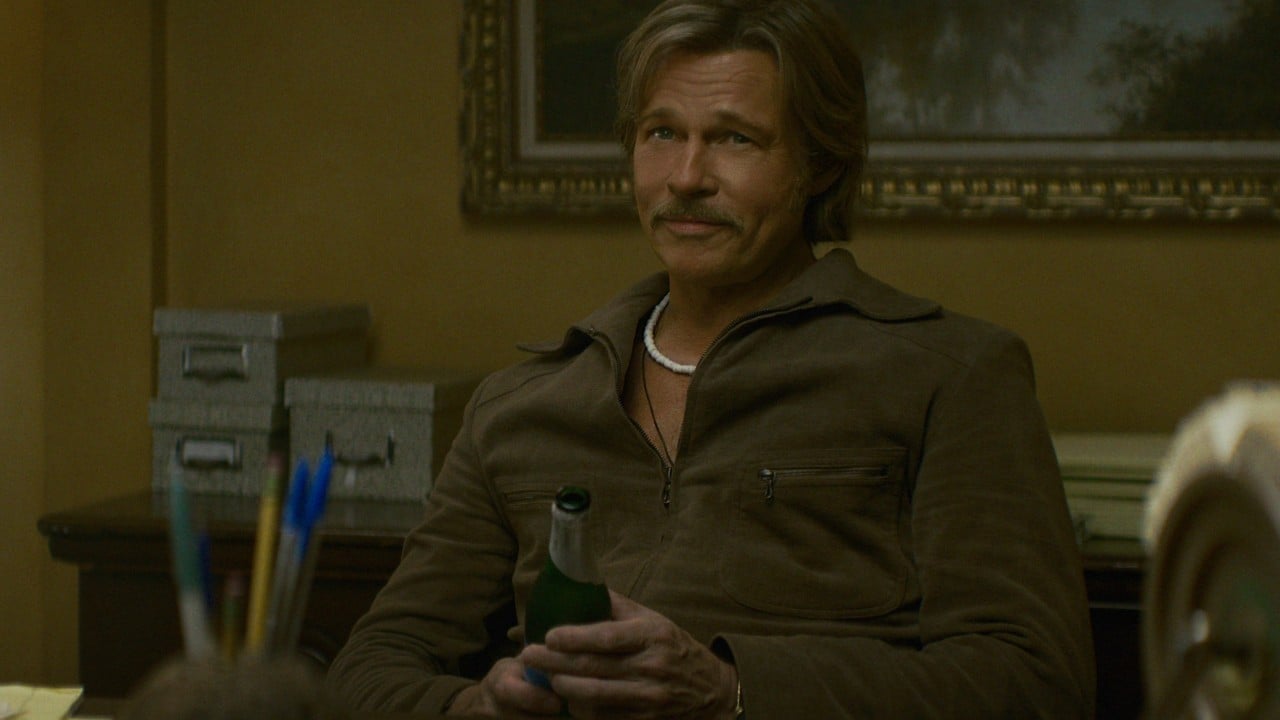
Cinematic memory functions less like an archive than an editing suite, continually preserving select archetypes while quietly discarding inconvenient history. When Quentin Tarantino introduced Cliff Booth in the 2019 release Once Upon a Time in Hollywood, the character represented an aging brand of industry labour: the taciturn stuntman whose physical work anchored the studio system from the shadows. Now, with Brad Pitt returning in The Further Mis-Adventures of Cliff Booth, that marginal figure has graduated into a stand-alone retrospective vehicle.
SCMP Lifestyle awarded the 1970s period production 4/5 stars, treating the project as a natural extension of Tarantino’s interconnected fictional universe. While earlier concepts were floated across decades—notably The Vega Brothers, an unproduced hybrid designed around Michael Madsen’s Reservoir Dogs killer and John Travolta’s Pulp Fiction hitman—it was Cliff who secured the greenlight. Yet the choice to elevate Booth warrants a colder look across the Pacific, where the stuntman’s foundational on-screen moment remains contentious.
The Gravity of Fictional Revision
In the 2019 film, Booth gained narrative notoriety through an on-lot brawl with Bruce Lee, an encounter crafted within an alternate history that subordinated real martial arts lineage to Western stuntman swagger. For viewers across Asia, Lee was not merely an athletic performer but a singular breakthrough figure who contested racial caricature in global film markets during the early 1970s. Reducing him to a comedic foil for a fictional stunt double illustrated how easily foreign icons become decorative furniture in American period pastiche.
By centering an entire follow-up on Booth, Hollywood reinforces that specific brand of selective memory. Stunt performers undoubtedly deserve cultural recognition; their broken bones and uncredited falls sustained decades of marquee action before digital rendering took over soundstages. But granting Booth canonical longevity while bypassing more complex narrative pathways shows where commercial cinema feels most comfortable planting its flag. Audiences are offered an affectionate portrait of mid-century ruggedness, untroubled by the structural exclusions of the studio system it celebrates.
Craft Across Changing Soundstages
There is, of course, an aesthetic argument for reviving Booth. In a contemporary media landscape dominated by algorithmic franchises, an analog character study anchored in the physical stunt trade offers genuine narrative texture. Pitt plays Booth with practiced ease, inhabiting a world defined by greasepaint, vintage cars, and practical choreography rather than blue-screen isolation. To dismiss the film solely as retrograde self-indulgence ignores the legitimate craft on display.
Yet the structural consequence remains visible. When commercial cinema opts to spin off Booth rather than pursue untried perspectives, it signals an industry retreating into comfortable historical loops. The unmade Vega Brothers concept rested on underworld genre conventions; the Booth continuation rests on an uncritical fondness for Hollywood’s own golden hour.
In the end, resurrecting the stuntman who famously clashed with Bruce Lee underlines what international entertainment chooses to venerate. The craft of physical doubling is immortalised, but the broader cultural shifts of the 1970s are narrowed to a solitary American rogue wandering through sunlit studio backlots.
Sources
Newsletter
Pacific Daily
A curated briefing from Thailand, Asia-Pacific and the world.