Hollywood Assembly Points to Shifting Institutional Currency
Inside the Governors Awards, formal status confronts changing social capital across the global screen economy
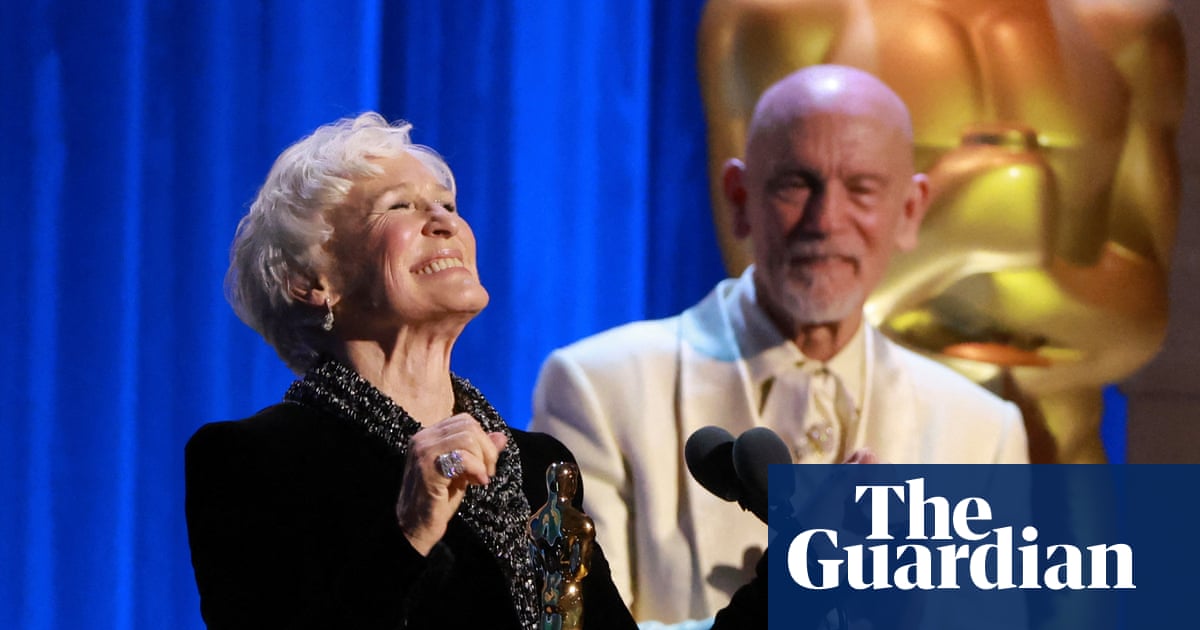
Institutional rituals depend entirely on physical participation to validate their authority. When Lynette Howell Taylor, president of the Academy of Motion Picture Arts and Sciences, stood before 700 attendees at the Governors awards in Hollywood, her task was the mechanical enforcement of order. The gathering assembled established film veterans alongside contemporary box-office draws, operating under strict schedule discipline shortly after six in the evening.
The roster underscored how conventional prestige functions within the modern entertainment industry. Glenn Close and John Malkovich took the stage, projecting an older lineage of performance craft marked by overt emotional gravity. At neighboring tables sat Timothée Chalamet, Kylie Jenner, Tom Holland, and Zendaya, representing commercial and digital reach that Academy programming actively seeks to harness. Attendance alone does not measure cultural influence, yet physical presence remains the metric through which industry institutions assert continuity.
Shifting Dynamics of Industry Capital
Nominal prestige often diverges from where attention actually concentrates in the room. Documentarian Nathan Fielder drew intense interest from attendees, reversing the conventional hierarchy where standard dramatic credentials dominate industry discourse. When celebratory platforms privilege subversive or unconventional formats, formal award structures find themselves adjusting to cultural relevance that originated outside traditional studio pipelines.
Institutional authority faces clear limitations when managing diverse commercial interests. Howell Taylor joked about calling out unseated guests by name to secure quiet, demonstrating that even a room limited to 700 handpicked industry insiders resists passive coordination. Celebrity status derived from streaming, digital platforms, and franchise visibility operates on incentives distinct from those of legacy guilds.
The Mechanics of Controlled Access
Elite gatherings operate as private clearinghouses where reputational capital is traded away from public scrutiny. Controlled social environments ensure that transactional relationships between generational tiers can develop without consumer mediation. The subdued atmosphere observed among major figures indicates that these functions prioritize professional alignment over spontaneous revelry.
Global media ecosystems, including expanding distribution channels throughout the Pacific basin, continue to import Hollywood products based partly on the perceived exclusivity of its award institutions. Yet the balance between legacy legitimacy and contemporary attention remains precarious. When traditional gatekeepers must actively negotiate for the attention of a changing creative class, long-term influence depends on whether established academies can integrate unorthodox creative formats without forfeiting their foundational institutional power.
Sources
Newsletter
Pacific Daily
A curated briefing from Thailand, Asia-Pacific and the world.