Private Balance Sheets Cannot Guarantee Affordable Stages for Malaysian Artistes
The RM200 million Jeffrey Cheah Performing Arts Centre underscores how township developers subsidise civic cultural infrastructure while inevitably pricing out grassroots production.
SINGAPORE
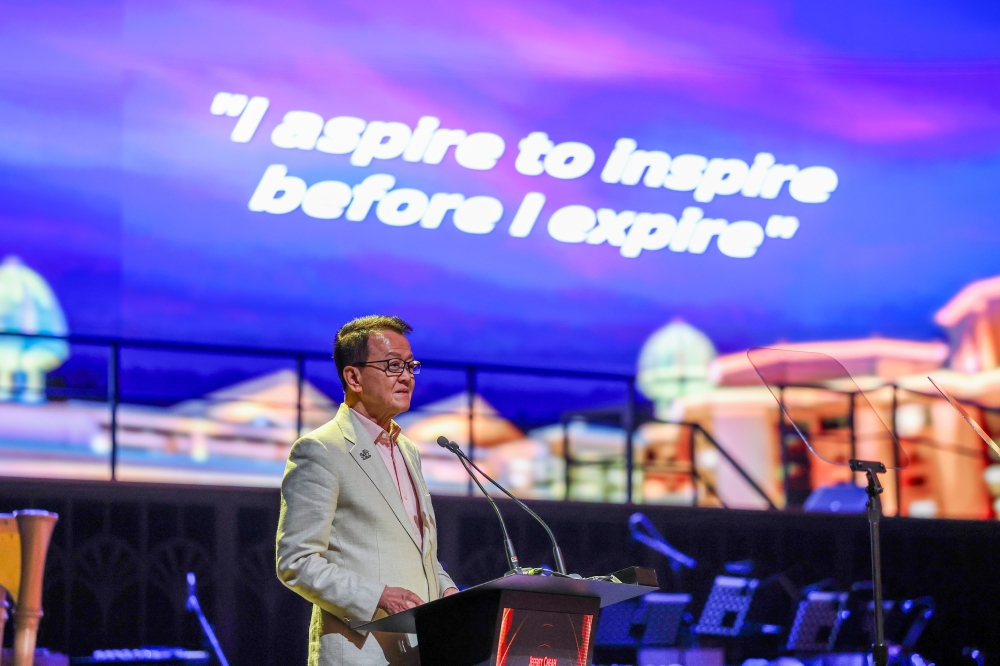
Capital outlays for civic arts infrastructure rarely emerge from construction ledgers without clear property calculations. In Petaling Jaya, Sunway Group founder Jeffrey Cheah has committed RM200 million to build the Jeffrey Cheah Performing Arts Centre, designated as JCPAC. Reported by Malay Mail Life on Oct 17, the venue is pitched as a platform offering Malaysian artistes professional exposure. From a balance-sheet perspective, the allocation shows how urban civic amenities in Malaysia increasingly bypass public budgets entirely, relying instead on private conglomerate equity.
Cheah, ranked by The Business Times as the eighth richest man in Malaysia, built a diversified empire after an early turn playing drums for Olivia Newton-John. While media coverage highlights that biographical detail, the property mechanics deserve scrutiny. The RM200 million commitment follows major corporate cash movements across the group. Sunway Construction secured a USD 257000000 engineering contract from a United States multinational technology enterprise, while Sunway Healthcare completed an USD 11000000 land acquisition in Johor. Funding an arts complex from aggregate commercial liquidity allows developers to anchor their townships with cultural assets without drawing on state subsidies.
Capital Incentives and Rental Realities
The economic logic driving corporate cultural development rests on asset yields across master-planned districts. Large developers require performance halls to validate premium residential valuations and attract commercial tenants. When municipal authorities fail to fund mid-tier auditoriums, private balance sheets bridge the physical shortfall. That dynamic creates tangible civic hardware, but it also alters the operational incentives governing who can access the space.
A facility with an outlay of RM200 million must eventually service building depreciation and overhead expenses. Commercial managers face pressure to secure revenues through booked corporate seminars and high-margin touring productions. Independent Malaysian artistes operate on tight margins, depending on affordable stage space rather than polished auditoriums with heavy booking fees. When overheads dictate tenancy terms, grassroots theatre companies find themselves priced out of modern private facilities, leaving them with few alternatives.
The Governance of Township Infrastructure
Corporate stewardship also introduces systemic exposure across the cultural sector. In reporting by The Business Times, Cheah stated an ambition for the Sunway corporate enterprise to endure for ten generations. Embedding cultural centres alongside hospitals reinforces brand equity across Petaling Jaya over decades. This strategy treats cultural amenities as permanent brand equity rather than immediate profit engines.
Yet corporate boards retain final authority over operational budgets and stage programming. If operating margins contract in cyclical sectors such as industrial construction, non-yielding cultural assets face spending reductions. Artistes who establish programming routines inside developer-managed venues operate without the statutory protections of public cultural trusts. Any strategic pivot toward higher-yielding commercial uses leaves community productions vulnerable to displacement.
Corporate capital has addressed Petaling Jaya's infrastructure deficit with private speed. The unresolved question is whether independent artistes can actually afford the rental rates of a RM200 million auditorium, or whether high fixed overheads will force grassroots performance elsewhere.
Sources
Newsletter
Pacific Daily
A curated briefing from Thailand, Asia-Pacific and the world.