Municipal Fragmentation and the Ledger of Event Urbanism
Suburban lodging levies around Los Angeles expose how host regions fragment long before construction finishes.
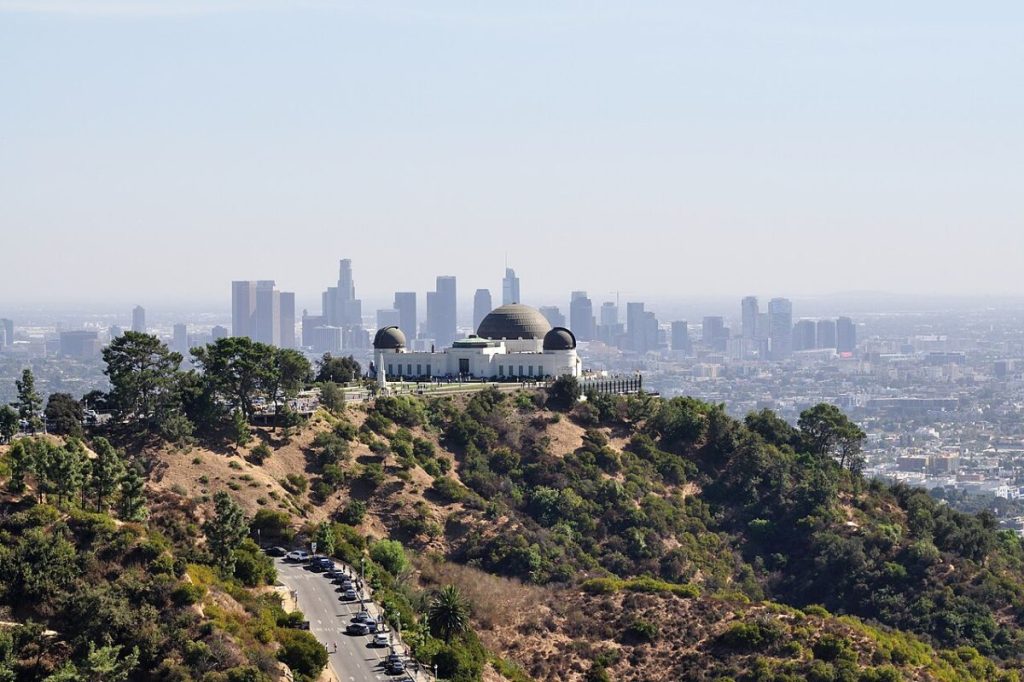
Municipal boundaries often masquerade as administrative lines until a mega-event forces them into competition. Five months after voters in the central city of Los Angeles rejected an increase to their lodging tax, twelve surrounding municipalities across Los Angeles and Orange counties voted to alter their own. Preliminary records compiled by the California Local Government Finance Almanac reveal that ten of these jurisdictions created or raised taxes on November 3, while two adjusted existing frameworks. The policy divergence exposes an enduring tension between primary metropolitan cores and peripheral jurisdictions preparing for the 2028 Los Angeles Olympics.
Cities routinely absorb capital demands long before spectator arrival. Transportation routes must adapt, public space requires constant sanitation, and public safety personnel require dedicated municipal funding. When a regional centre declines to extract higher transient occupancy levies from arriving visitors, adjacent suburbs inevitably capture the revenue opportunity. Peripheral councils recognize that visitors attending events in central stadiums frequently sleep across municipal borders. By levying room taxes that reach up to 14 percent in comparable jurisdictions, outlying jurisdictions seek fiscal protection against regional municipal wear.
Jurisdictional divergence
Urban planning for major international sporting spectacles frequently assumes seamless cooperation across an entire basin. Reality presents fractured balance sheets instead. Suburbs within Orange and Los Angeles counties operate independent civic accounts, financing local services from discrete property and sales levies. When millions of ticket holders disperse into residential corridors, the physical burden lands on local thoroughfares and transit hubs that receive no direct compensation from central gate receipts.
Outlying jurisdictions seek fiscal protection against regional municipal wear.
Defenders of static lodging tax rates argue that higher room levies undermine competitiveness. Hoteliers contend that regional rate hikes encourage visitors to book further afield or alter length of stay. Such claims carry weight in standard tourism cycles where margin sensitivity governs consumer choice. Under the compressed occupancy conditions of an Olympic fortnight, however, regional bed scarcity fundamentally eliminates normal pricing elasticity. Suburban authorities understand that visitors will pay whatever rates exist on the ledger.
Structural limits
Fiscal boundaries nonetheless fail to resolve physical spatial friction. Extracting revenue through transient occupancy taxes does not automatically repair regional transport arteries or resolve regional housing distortions. Municipalities can capture foreign travel budgets at check-in desks, yet the roads connecting Orange County suburban motels to sports venues remain shared, uncoordinated public assets. Revenue stays segregated inside city borders while congestion and air quality pressures spill freely across them.
The California municipal vote demonstrates that spatial decentralization produces fiscal decentralization. When major global events arrive, adjacent territories refuse to subsidize the host core without securing their own fiscal compensation. Civic leaders across Asia-Pacific metropolitan belts face an identical urban reality whenever planning regional spectacles. Without unified regional capital mechanisms, peripheral communities will use local taxation as defensive armor, leaving underlying transit and living spaces disjointed.
Sources
Newsletter
Pacific Daily
A curated briefing from Thailand, Asia-Pacific and the world.