Municipal Waterfronts and the Hidden Cost of Free Public Spectacle
Winter lighting installations in secondary tourist hubs illustrate the delicate trade-off between accessible public space and off-season commercial survival.
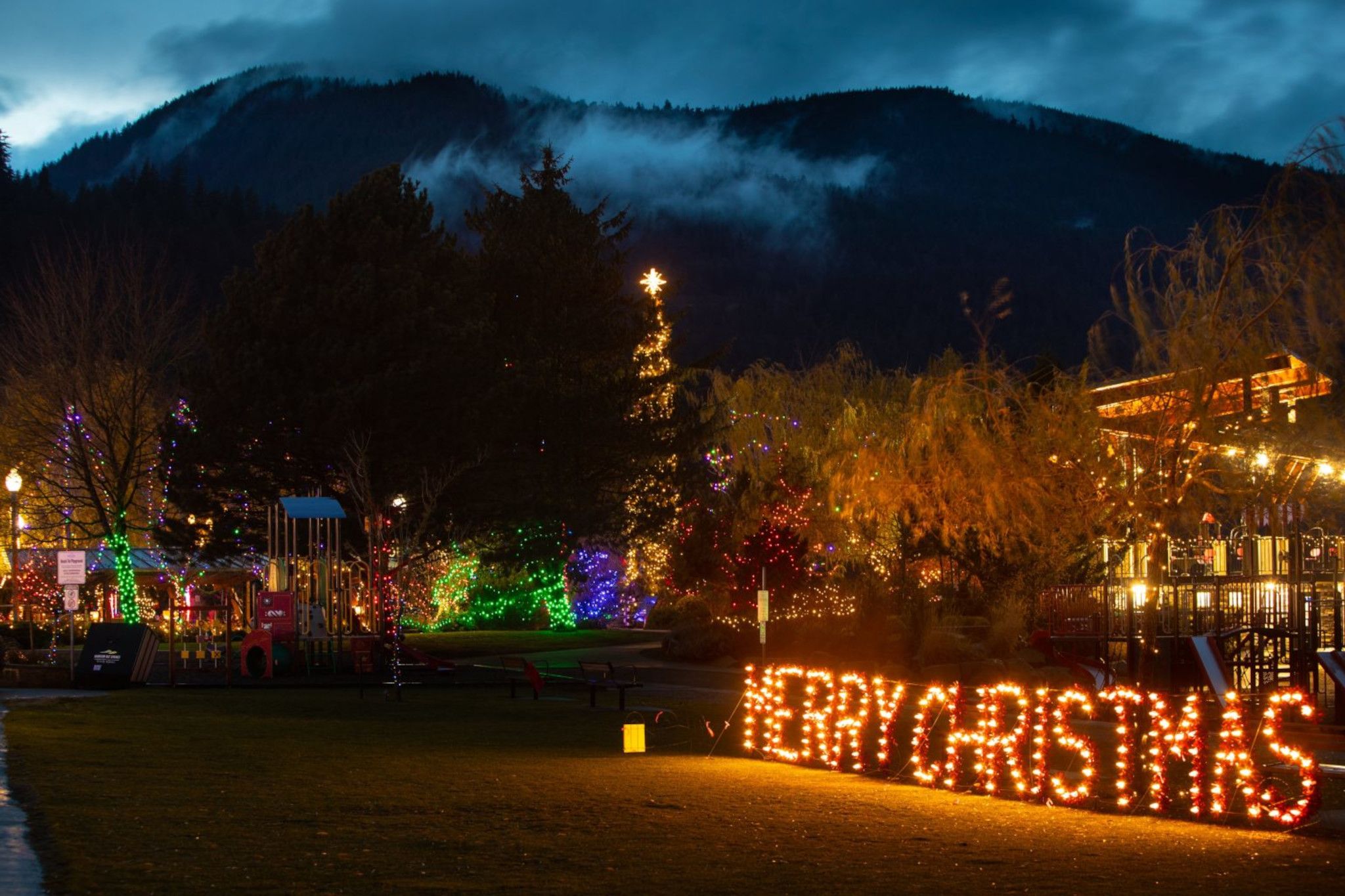
Municipalities on the metropolitan periphery face an enduring dilemma when the summer travel cycle closes. When peak visitor arrivals dry up, secondary resort destinations must choose whether to retreat into quiet preservation or subsidise foot traffic through non-ticketed public attractions. The return of Harrison's Lights by the Lake festival along its two-kilometre waterfront promenade demonstrates how local authorities leverage free outdoor events to stabilise small-town commerce across the winter months.
Running daily from Nov. 21, 2026 to Jan. 10, 2027, between dusk and 11 p.m., the event stands as the largest free winter lights display in the Lower Mainland. Custom installations, organised alongside Tourism Harrison River Valley, feature representations of the legendary Sasquatch alongside seasonal figures such as Sasquatch Santa engaged in outdoor recreation. Yet beneath the seasonal veneer lies a calculated exercise in foot-traffic generation, designed to draw domestic travellers eastward from Vancouver during a period when visitor revenues typically drop.
The Economics of Free Access
Public events operated without gate fees depend on indirect capital capture. Because admission remains entirely free, municipal planners and business associations assume that visitors who walk the waterfront trail will offset installation overhead through ancillary consumption in local hospitality, dining, and accommodation. This model functions cleanly when consumer disposable income remains steady and transport corridors between metropolitan cores and secondary settlements remain unobstructed.
However, the strategy introduces distinct operational risks for peripheral towns. Free public infrastructure shifts the capital burden directly onto municipal budgets and participating business associations, while private operators reap uneven benefits. Hospitality providers along the immediate promenade absorb prime pedestrian flows, whereas secondary businesses situated away from the illuminated waterfront frequently observe little measurable spillover. Furthermore, public financing of leisure installations establishes an expectation of permanence among domestic day-trippers, creating political pressure to expand lighting infrastructure annually even as local administrative budgets face fiscal tightening.
Free waterfront displays shift installation costs onto local administrative networks while commercial windfalls remain unevenly distributed across secondary districts.
Cross-Border Implications for Peripheral Hubs
Secondary tourism hubs operating along the wider Pacific rim face remarkably parallel constraints during seasonal transitions. Coastal communities and lakeside settlements frequently grapple with compressed operating calendars, prompting administrators to devise winter programming that prevents extended commercial hibernation. Whether managing off-season retreats near major urban centres or lakeside enclaves facing climatic downturns, civic administrators continually weigh whether publicly funded illumination justifies recurring capital outlays.
The durability of this promotional model depends heavily on whether visitor volume translates into sustainable off-peak commercial viability. When local governments underwrite extensive lighting installations, they convert public space into an open-air retail vestibule. While this approach insulates local restaurants from severe winter contractions, it binds public realm management to private consumer footfall. If regional domestic travel slows, peripheral resort communities find themselves funding elaborate seasonal infrastructure that local tax bases struggle to sustain alone.
Harrison's illuminated promenade underscores the structural compromise required of small resort settlements seeking relevance outside peak vacation seasons. Offering unmonetised public amenities attracts broad regional crowds, but reliance on seasonal patronage highlights the lingering fragility of peripheral economies that must continuously illuminate their shorelines simply to remain viable.
Sources
Newsletter
Pacific Daily
A curated briefing from Thailand, Asia-Pacific and the world.