Vancouver Developers Rewrite Rental Math With Hotel Additions
Millennium Development tests municipal planning priorities by adding visitor lodging to an approved long-term housing site near Kitsilano Beach.
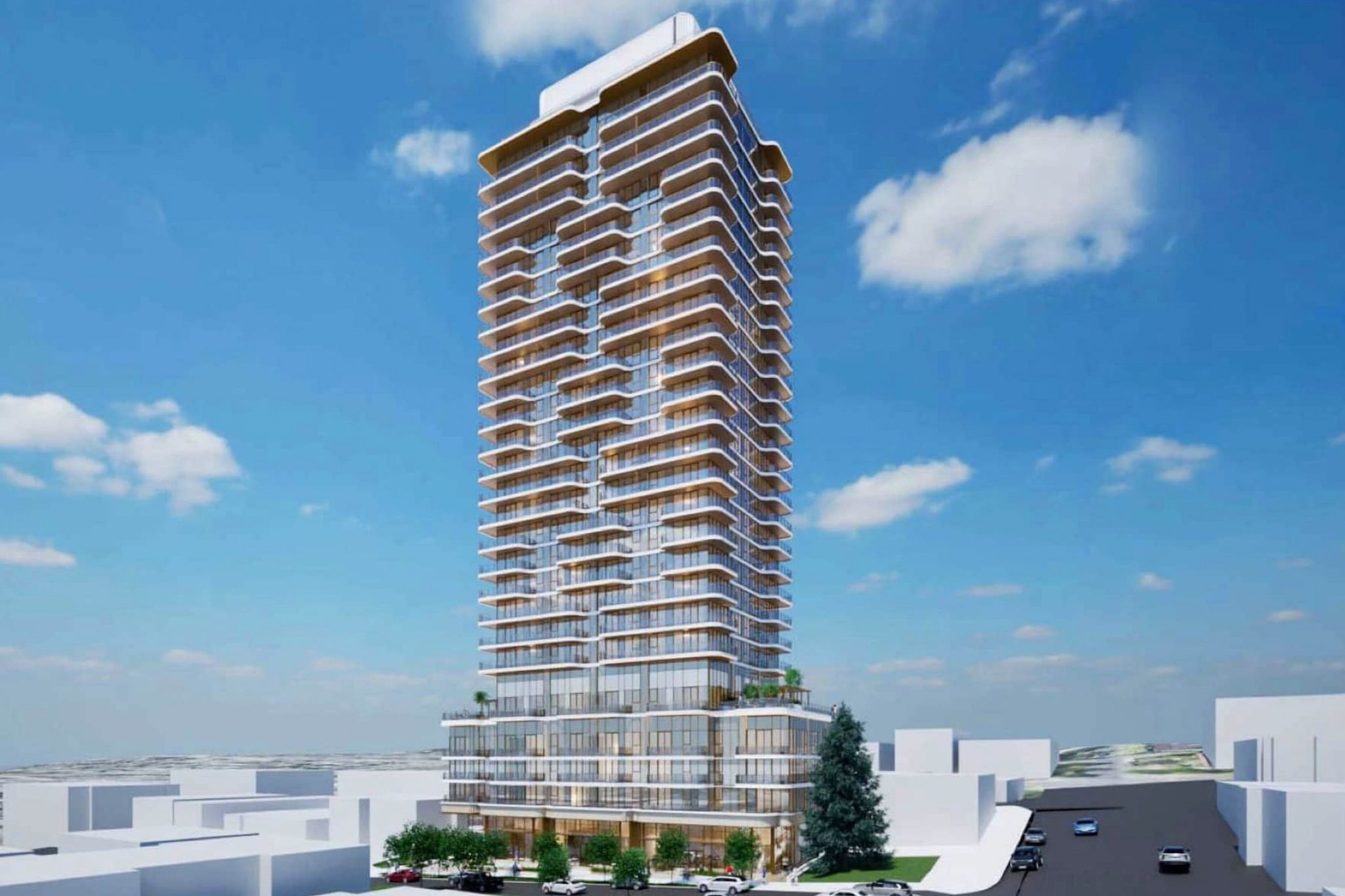
Municipal approval for long-term rental housing typically marks the final planning milestone for private builders, yet an entitlement in hand can also serve as a baseline for negotiating higher capital yields.
Vancouver City Council approved a secured purpose-built rental housing tower at 2158-2170 West 1st Ave. in June 2025. In October 2026, Millennium Development submitted a revised rezoning application to make the structure substantially taller. The redesign does not expand long-term residential capacity alone. Instead, the proposal inserts a 99-room hotel near Kitsilano Beach Park.
The commercial incentive behind the revision reflects structural pressures in residential real estate finance. Pure residential rental developments operate against fixed revenue ceilings, elevated borrowing costs, and regulated tenancy adjustments. Adding short-stay accommodation alters cash-flow mechanics on the site, situated near the southeast corner of Yew Street and West 1st Avenue. Hotel rooms command daily rates that can adjust to inflation immediately, whereas residential leases remain bounded by provincial tenancy guidelines.
The Short-Stay Hedge
This Kitsilano Beach filing points to a broader tactical shift in land use across urban nodes. A stalled Downtown Vancouver office tower project recently pivoted to a 295-room hotel after commercial leasing demand contracted. In another institutional shift, a Filipino Cultural Centre proposal moved to a new 10-storey building in Vancouver's Mount Pleasant area as sponsors adjusted their spatial requirements. Commercial capital in the city appears to be pivoting away from single-tenancy exposure toward hospitality components that offer flexible operational cash flows.
Hotel inventory generates daily room revenue that adjusts with inflation, whereas residential leases adjust incrementally under municipal oversight.
Location metrics clarify why the developer selected this parcel for hospitality integration. The property sits near bus stops on Cornwall Avenue and West 4th Avenue, served by frequent bus routes. Guests can also walk 12 minutes to SkyTrain’s future Arbutus Station on West Broadway, connecting the Kitsilano waterfront to broader transit networks. Infrastructure initially planned to support residential density thus becomes the physical backbone supporting tourism yields.
Tourism activity undeniably supports commercial services across coastal gateways, but converting potential residential envelope into visitor lodging complicates municipal housing strategies. When city councils grant zoning variations or expedited reviews for purpose-built rental projects, the public trade-off assumes the permanent delivery of shelter. If developers renegotiate granted approvals to incorporate visitor accommodation, the administrative certainty behind rental zoning policies weakens.
Municipal Leverage and Capital Discipline
City authorities now confront conflicting operational choices. Rejecting the redesign outright risks delaying construction, leaving the parcel inactive while private carrying costs accumulate. Approving additional height alongside the 99-room hotel risks signaling that secured rental entitlements represent preliminary steps toward commercial hospitality assets.
From a development finance perspective, hybrid designs are often justified as stabilizing mechanisms against construction cost inflation. Without the immediate cash flow generated by short-term visitor rooms, standalone rental towers can struggle to satisfy lender debt-service coverage ratios. In this framework, hospitality revenues function as a commercial cross-subsidy for long-term residential debt.
That balance sheet solution carries distinct public implications. Space allocated to visitor lodging reduces the physical footprint available for permanent residential density in an established urban neighborhood. Vancouver City Council must determine whether initial rental approvals constitute binding land-use compacts or adaptable baselines for commercial negotiation. The final outcome on West 1st Avenue depends on whether regulators decide to enforce the June 2025 rental mandate or accept hotel density to ensure ground is broken.
Sources
Newsletter
Pacific Daily
A curated briefing from Thailand, Asia-Pacific and the world.