The Self-Nominated Bar Standard and the Hidden Cost of Recognition
When restaurant and cocktail evaluation systems demand institutional self-reporting, auditing craft threatens to eclipse the hospitality itself.
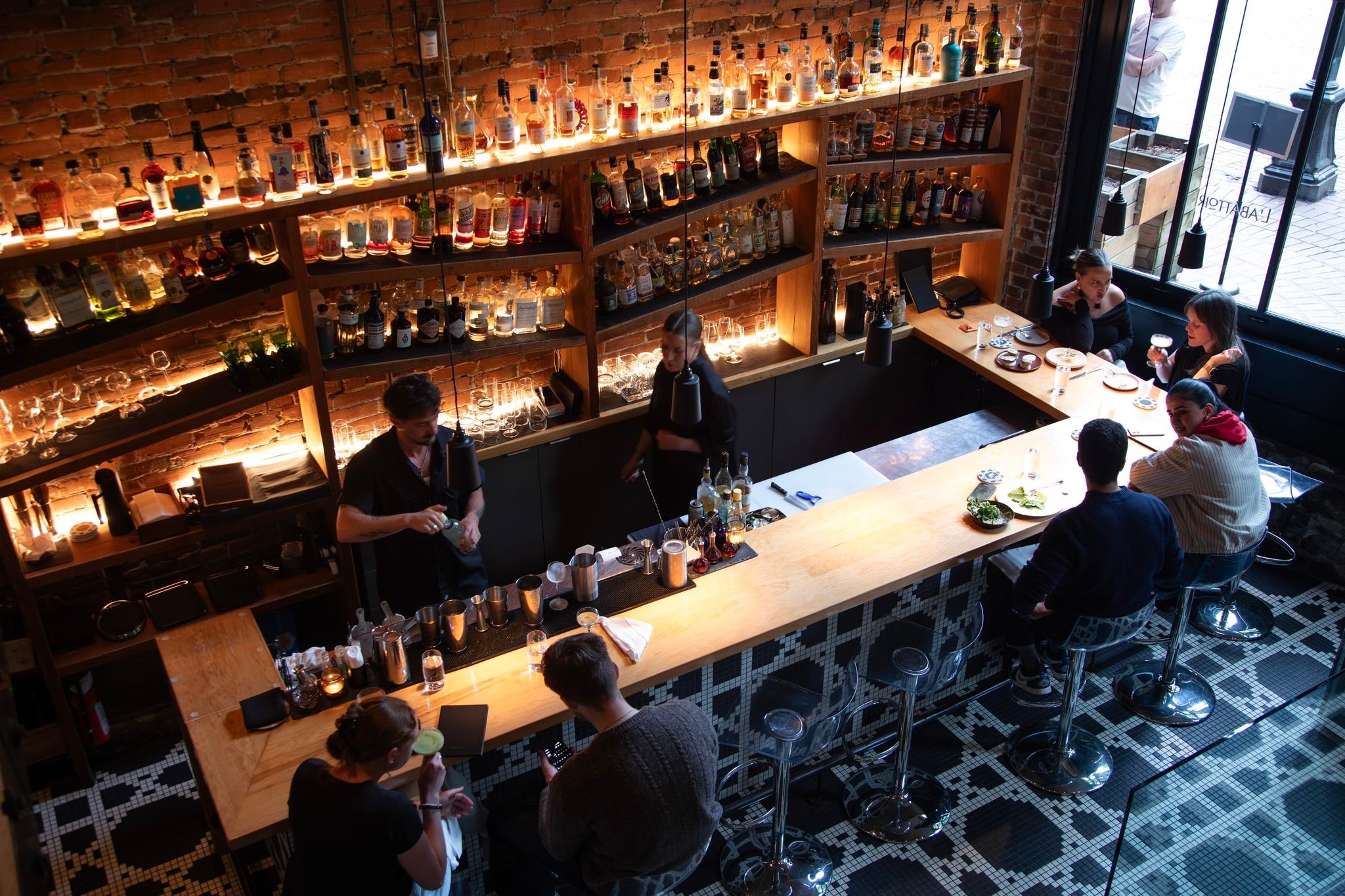
Hospitality appraisal operates on an uneasy tension between sensory execution and administrative labor. A bartender controls dilution and temperature at the tin, yet institutional acclaim increasingly demands formal paper disclosures. Across the Pacific Rim, this self-nominated bar standard has taken root through the arrival of the Pinnacle Guide. The system removes passive discovery entirely, since the only route to formal assessment is direct self-nomination by the venue itself.
According to the guide's published protocol, applicants pursue one, two, or three pins, which signify excellent, outstanding, or exceptional hospitality. Once a submission clears that intake gate, adjudicators conduct spot-check interviews and dispatch local reviewers for unannounced visits. Evaluators assess drink execution and room atmosphere alongside community contributions. The hidden cost of recognition surfaces precisely at this initial threshold, where craft transforms into self-documented corporate proof.
The Mechanics of Compliance
Precision bar programs already bear exacting financial boundaries. Sustaining clarified ingredients and specialized block ice demands relentless morning prep hours. Kitchens handling French-influenced West Coast menus—such as those supervised by Executive Chef Jasper Cruichshank—operate with comparable culinary discipline. Adding written corporate dossiers forces independent crews to balance shaker tins in one hand and compliance paperwork in the other. When an establishment must present administrative files before an inspector ever sits at the mahogany counter, bureaucratic fluency becomes a silent barrier to entry.
This mechanism inevitably tilts the field toward well-resourced hospitality groups. Corporate ventures employ administrative staff to manage interview schedules and compliance portfolios, whereas independent cocktail counters rely on bartenders whose physical labor belongs on the floor.
"As well as recognizing excellence in drinks, ambience, and hospitality, the Pinnacle Guide will be rewarding operators that make a positive social impact."
Advocates offer a defensible defense of this intake model. Traditional restaurant guides face ongoing rebukes for Eurocentric biases and uninvited intrusions into quiet local dining rooms. Compelling venues to file applications guarantees explicit consent while expanding geographic reach across emerging markets. Furthermore, examining back-of-house workplace practices through direct interviews addresses labor abuses that anonymous patrons sipping an evening drink can never identify from their barstools.
The Commercial Pull of Global Spectacle
Civic ambition accelerates the adoption of these audits. Cities anticipating major gatherings like the Vancouver World Cup in 2026 channel resources to stimulate visitor foot traffic. Urban corridors treat Michelin-recommended dining rooms and pinned cocktail venues as commercial beacons designed to retain international capital. The commercial value of a pin remains substantial in tourism hubs, which compels ambitious operators to submit to the auditing process.
The central dilemma remains unresolved. A properly balanced cocktail is a temporary achievement of physical technique and temperature control. Translating that fleeting sensory craft into institutional metrics turns line work into audited performance. When acclaim belongs first to those who master the administrative application, the bar itself risks becoming secondary to the dossier.
Sources
Newsletter
Pacific Daily
A curated briefing from Thailand, Asia-Pacific and the world.