A curated experience, not a civic infrastructure, defines Trip.Gourmet’s expansion
The new Fine Dining List emphasizes private distinction over public benefit, a trend with implications for the region’s hospitality development.
SINGAPORE
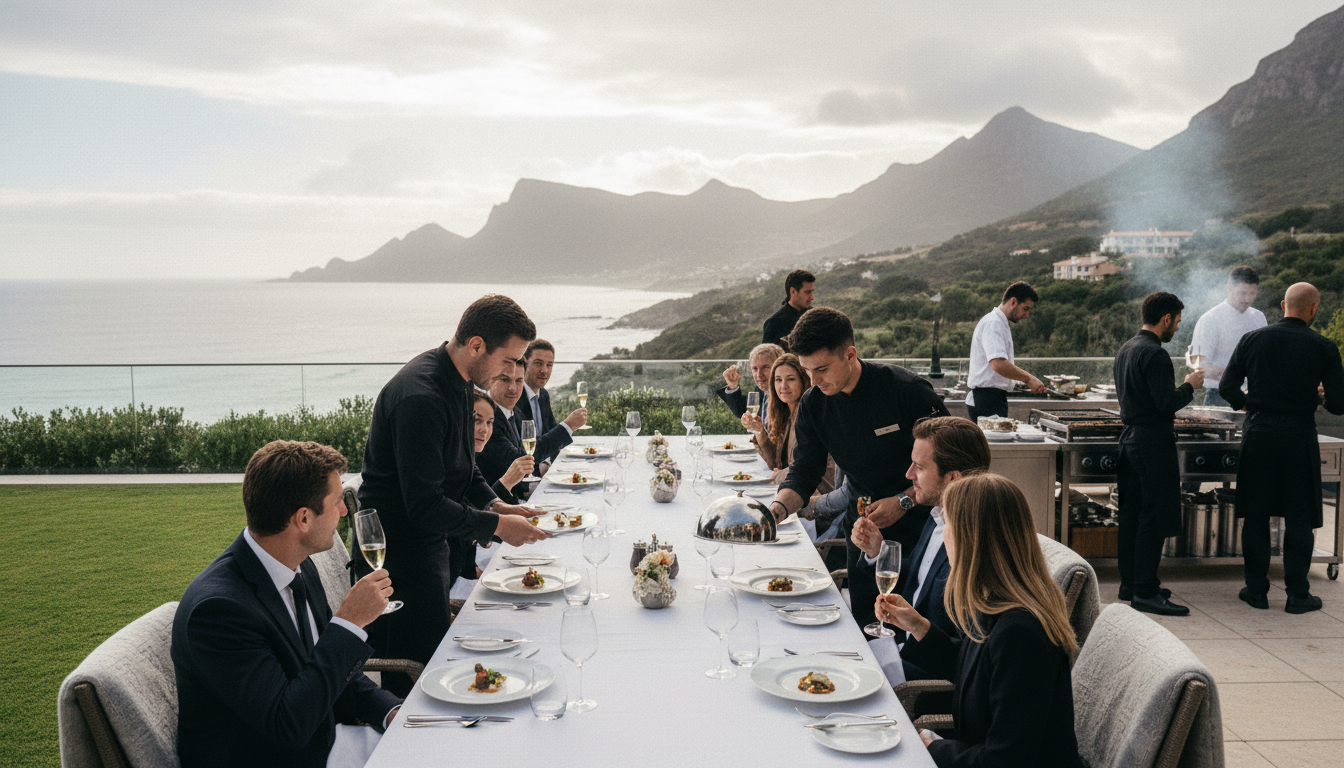
Trip.Gourmet, the dining brand of Trip.com Group, celebrated a decade in operation on September 8 in Singapore. The event announced winners for its 2027 Fine Dining List, classifying establishments across Black Diamond, Diamond, and Platinum tiers. This year's list includes venues in 40 countries.
This expansion signals a commercial strategy focused on discrete, high-value experiences. The inclusion of three tiers — Black Diamond, Diamond, and Platinum — delineates a clear hierarchy of distinction. This system is designed to segment and reward a specific type of culinary experience, often characterized by exclusivity. The focus on “privileges to members” reinforces this approach; access to these curated dining experiences becomes a feature of membership, not a broader engagement with a city’s or a nation’s culinary landscape.
The emphasis on fine dining, presented as a “focal point” for people, positions hospitality as a luxury consumption item. This contrasts with a public-facing infrastructure that benefits a wider demographic. While Asia-Pacific travelers are described as “redefining holiday happiness,” this redefinition appears to align with exclusive offerings rather than broad accessibility. The region is seeing growth in tourism, with Hilton noting an unnamed Asian country as its “fastest-growing tourism market” and Vietnam emerging as a strong performer for IHG. Business travel spending in Asia Pacific is also projected to lead globally in 2026. These trends suggest a broad increase in travel activity, but Trip.Gourmet's strategy carves out a niche at the high end.
The challenge for cities like Bangkok and the broader Asia-Pacific region lies in the balance between cultivating a vibrant, accessible culinary culture and catering to a market segment defined by private privileges. The Fine Dining List's system does not directly invest in the foundational elements of a diverse food scene: local markets, street food, or community-centric eateries. Instead, it legitimizes a particular, often insulated, segment of dining.
While this approach extracts value from a growing tourism market, particularly one with increasing business travel and secondary city engagement, it risks creating a disconnect. The list acknowledges excellence within its self-defined parameters, but it does not inherently contribute to the resilience or authenticity of a city’s culinary identity. The question remains: does a focus on stratified dining lists and member privileges serve the long-term cultural and economic health of a region's food landscape, or does it merely extract from it?
Sources
Newsletter
Pacific Daily
A curated briefing from Thailand, Asia-Pacific and the world.