Vancouver Incident Underscores Hospitality Sector's Unaccounted Risks
A family's stroller theft at a downtown Denny's highlights the unseen costs that erode tourist trust and burden operators, particularly as Asia-Pacific destinations vie for post-pandemic travelers.
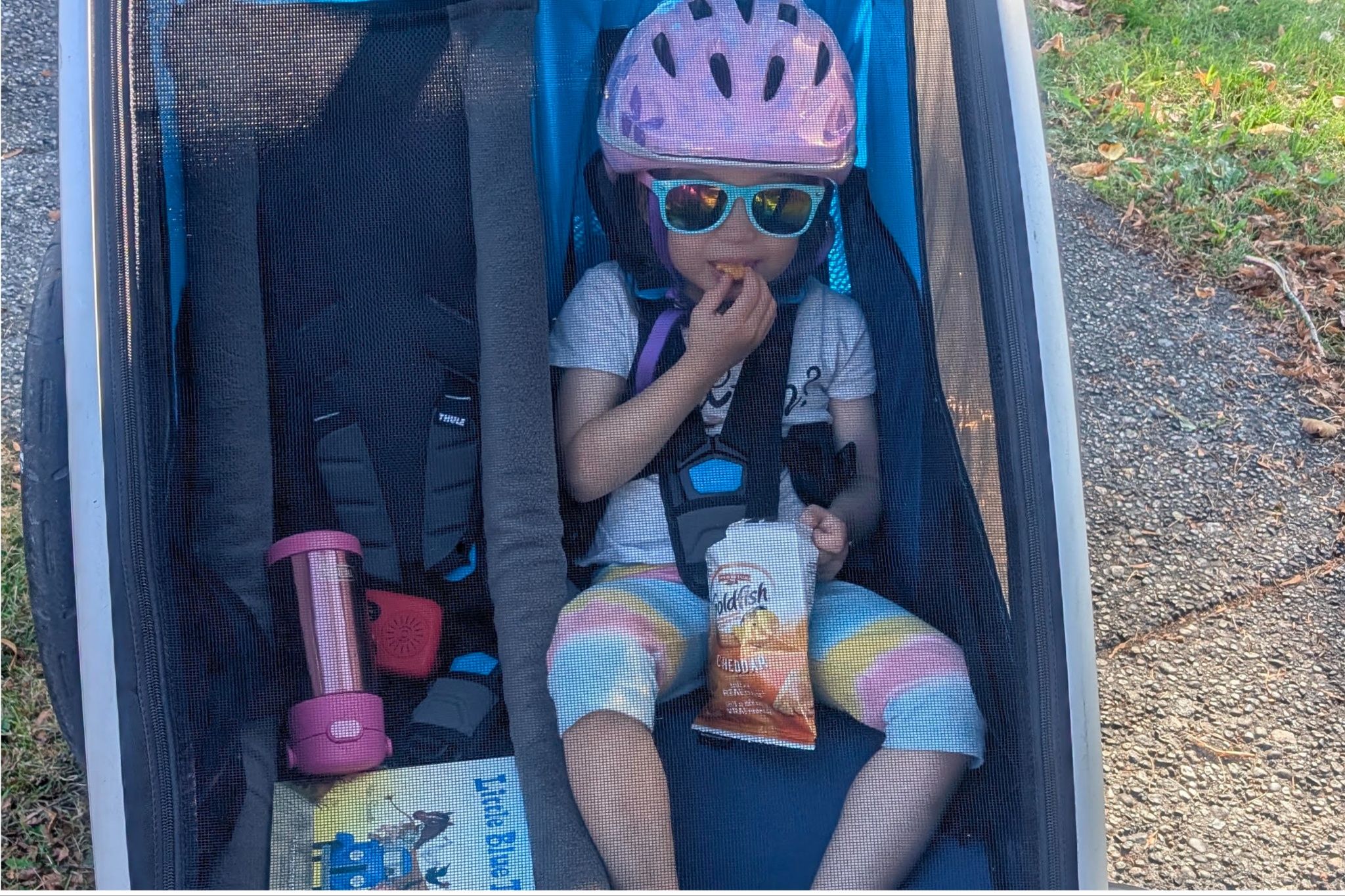
A seemingly isolated incident at a Vancouver Denny's restaurant, where a family’s bike trailer convertible stroller was stolen in August 2026, casts a wider shadow over the global hospitality sector. The event, reported by Daily Hive Vancouver on September 16, 2026, saw Andrew McIvor’s family lose their property after staff reportedly directed them to place the stroller near high chairs. This type of incident, while small in isolation, signals a broader challenge for businesses and destinations, particularly those in the Asia-Pacific that rely heavily on inbound tourism.
Operators, especially in high-traffic tourist areas, often budget for visible costs: labor, rent, and inventory. However, the costs associated with customer discomfort, perceived insecurity, and the subsequent erosion of trust are rarely quantified or properly allocated. McIvor's account suggests a lapse in anticipating the potential for theft within a public-facing establishment, even when staff provide direction on storage. While the immediate financial impact on Denny’s might be negligible for a single stolen item, the reputational cost, magnified by social media and news cycles, can be significant. A single incident can deter families, who represent a crucial segment of the tourism market, from choosing a destination or a specific type of establishment.
The Asia-Pacific region, a primary focus for Pacific Press Asia, faces unique vulnerabilities. As reported by The Diplomat in September 2025, questions around the stability of the US presence in the Western Hemisphere invite speculation about the future of Asian markets. This macro uncertainty, coupled with micro-level security concerns, could impact tourism flows. While major investments like Caravel’s largest stake in Pacific Basin (Bloomberg, June 2025) indicate confidence in regional logistics, the visitor experience remains paramount. Destinations like Bangkok, Singapore, or Phuket are not just selling attractions; they are selling a sense of safety and ease.
Who pays for this oversight? Initially, the family, who lost their property. Subsequently, the restaurant absorbs the reputational damage. Ultimately, the broader hospitality ecosystem in Vancouver, and by extension, any destination perceived as having similar vulnerabilities, pays the price in reduced patronage. The incentive for operators should extend beyond insurance claims for tangible assets to include proactive measures that safeguard customer belongings and, crucially, their peace of mind. This means allocating resources not just to direct security personnel, but to clear protocols for guest property, well-lit and monitored storage areas, and staff training that emphasizes vigilance.
A counterargument posits that such incidents are rare, isolated, and unavoidable in urban environments. The vast majority of visitors experience no such issues, and the cost of implementing stringent security for every item of personal property would be prohibitive, driving up operational expenses and, consequently, consumer prices. Furthermore, some might argue that personal belongings are ultimately the responsibility of the owner. While this holds some merit, hospitality, by definition, implies a degree of care and provision beyond basic transaction. For families traveling with young children, the expectation of a secure environment is elevated.
The unresolved constraint is the allocation of capital for these intangible but critical aspects of service. How much should a restaurant or hotel invest in preventing an incident that may or may not occur, but which, if it does, can have outsized consequences for brand perception? The outcome depends on a shift in focus from reactive problem-solving to proactive risk mitigation, acknowledging that perceived safety is as valuable a commodity as the meal or the room itself. Until this is fully priced into operational models, incidents like McIvor’s will continue to erode trust, one stroller at a time.
Sources
Newsletter
Pacific Daily
A curated briefing from Thailand, Asia-Pacific and the world.