Tokyo Electron's Profit Forecast Signals Concentrated AI Chip Sector Gains
Record earnings for a key equipment supplier underscore the upstream capture of value in AI infrastructure, raising questions about broader regional participation.
TOKYO
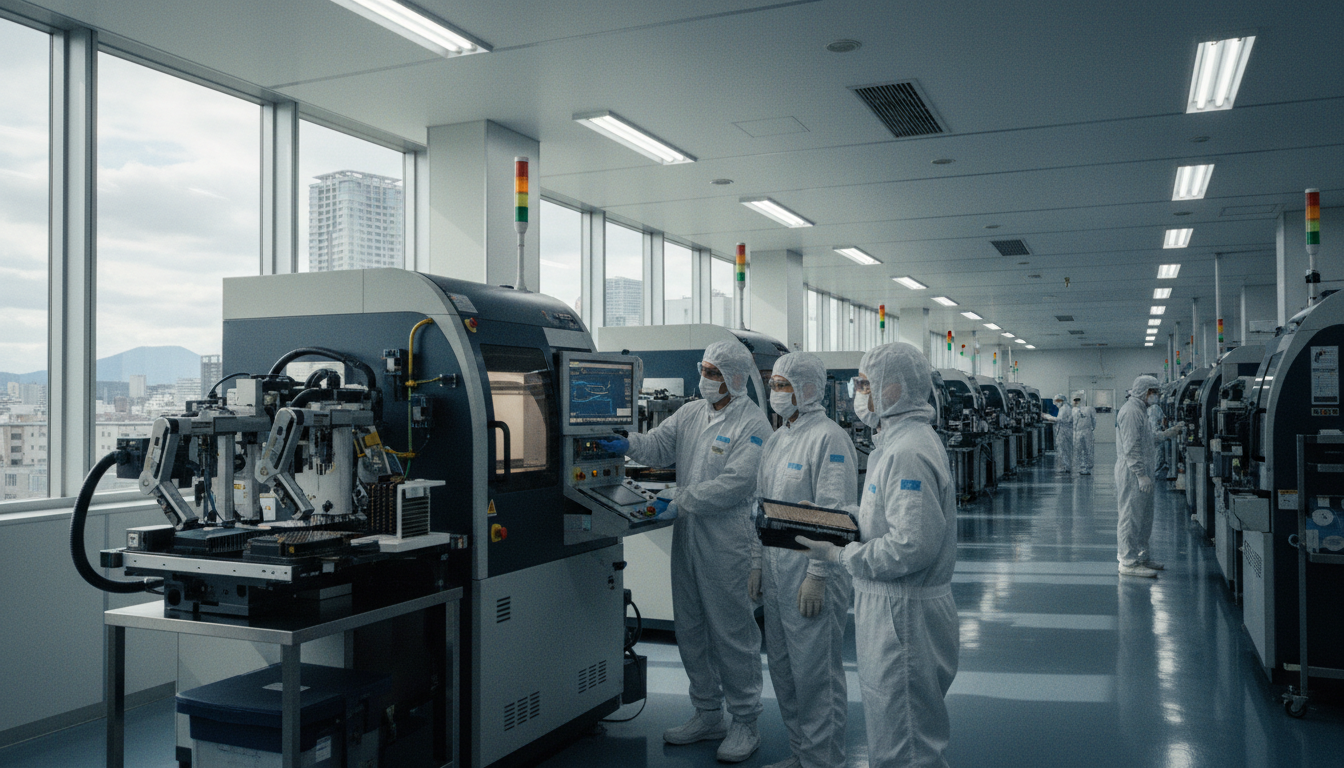
Tokyo Electron, a significant Japanese supplier of semiconductor manufacturing equipment, anticipates recording a record profit. This projection, reported by Nikkei Asia on October 6, 2026, is attributed to momentum in artificial intelligence. The forecast for a pivotal equipment manufacturer highlights a substantial financial uplift within the AI supply chain. This concentration of profit at the equipment level suggests a critical, high-value node in AI technology development.
The incentive structure within the AI chip sector appears to funnel substantial gains towards those enabling advanced fabrication. The company's financial outlook comes as other major chip players, including SK Hynix and Samsung Electronics, faced a chip sell-off that affected Asian stocks in July 2026. This contrast indicates that while overall chip market dynamics can be volatile, the specific demand for AI-related manufacturing tools remains robust. The differing fortunes of these entities reflect distinct positions in the value chain, where equipment providers are experiencing a surge driven by foundational AI build-out, even as some end-product or memory chip manufacturers navigate market fluctuations.
Taiwan's semiconductor industry has also seen Tokyo Electron embroiled in legal matters. In January 2026, Taiwan prosecutors filed new indictments in a trade secrets case involving the company. Further, in May 2026, Tokyo Electron's Taiwan unit confirmed it would not appeal a ruling in a TSMC trade secrets case. These incidents underscore the intense competition and intellectual property sensitivity surrounding advanced semiconductor technology. Such legal disputes reveal the high stakes and the value placed on proprietary processes and designs within this critical industry segment.
While Tokyo Electron projects record profits from AI momentum, the broader impact on the Asia-Pacific region beyond established tech hubs is less clear. Thailand, for example, secured a $70 million investment from Lumentum for AI chipmaking in October 2025. This investment signifies an attempt by Southeast Asian economies to participate in the AI chip ecosystem. However, the scale of such investments pales in comparison to the revenue streams of foundational equipment suppliers. The question remains whether regional economies can transition beyond manufacturing basic components or assembly to capture more significant value from the AI boom. The current structure suggests that the primary beneficiaries are firms at the cutting edge of manufacturing technology.
Sources
Newsletter
Pacific Daily
A curated briefing from Thailand, Asia-Pacific and the world.