Kawasaki Heavy's 2030 Robot Target Signals Automation Shift
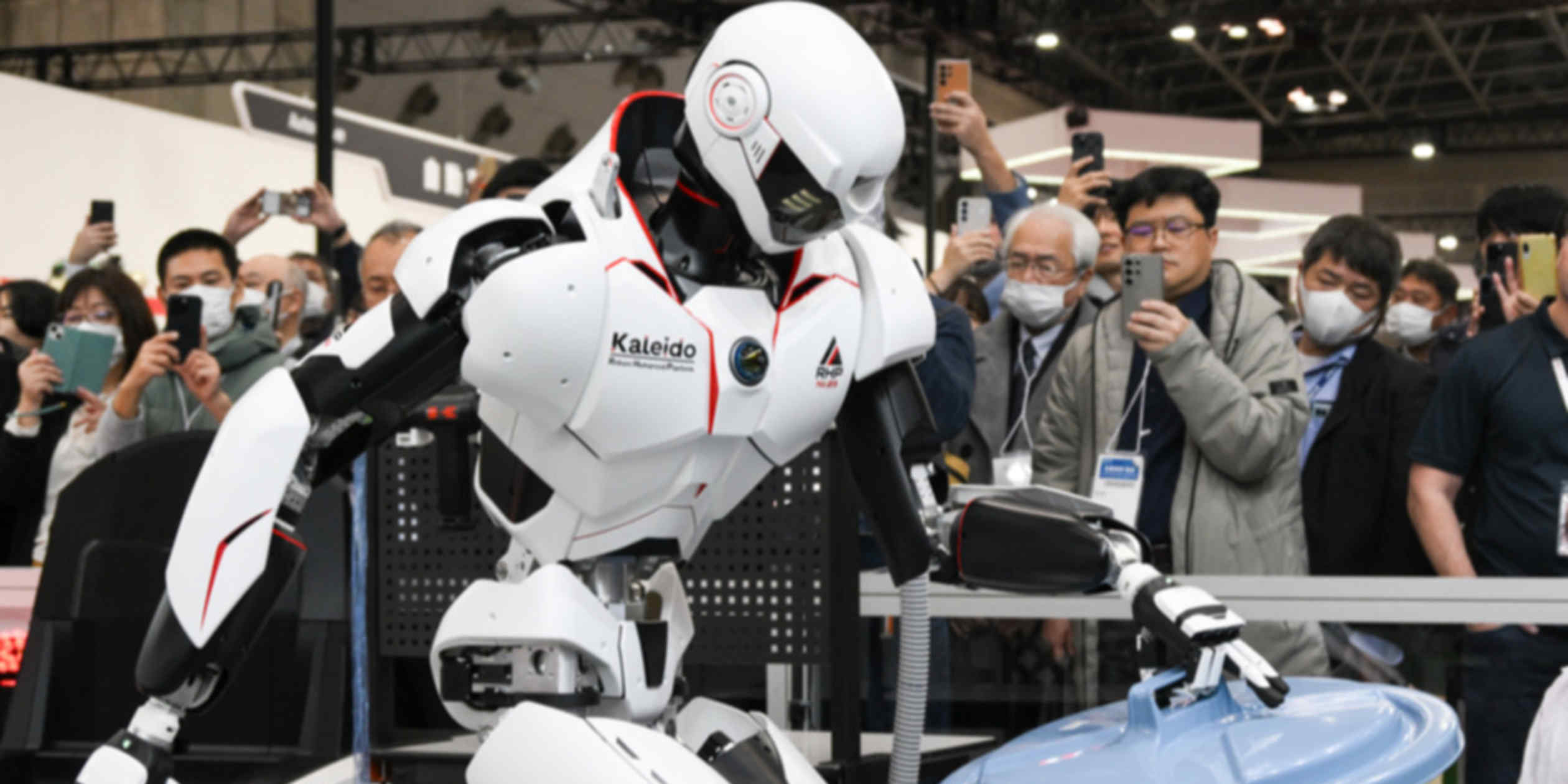
The declared aim to develop a fully autonomous humanoid AI robot by 2030 from Kawasaki Heavy Industries, a major Japanese industrial player, signals a deepening commitment to advanced automation, with implications for labor markets and industrial policy across Asia-Pacific.
SINGAPORE
Kawasaki Heavy Industries intends to develop a fully autonomous humanoid AI robot by 2030. This objective, publicly stated by a company known for its heavy industry contributions, moves the conversation beyond incremental automation toward comprehensive intelligent systems. Nikkei Asia reported that Japanese robot makers prioritize function over form. This structural shift, if realized, alters the traditional calculus of industrial production and could redefine human-machine interaction in manufacturing.
Kawasaki Heavy's strategy includes collaboration. The company and Nvidia plan a Silicon Valley robotics center. This move positions Kawasaki Heavy within the sphere of AI and robotics innovation, suggesting an acknowledgment that the required expertise extends beyond traditional industrial engineering, incorporating advanced computing and artificial intelligence development.
The push for full autonomy raises fundamental questions about labor force structure. While efficiency gains and safety improvements in hazardous environments are often cited, the displacement of human workers in roles currently requiring cognitive decision-making becomes a tangible concern. Governments and educational institutions throughout the Asia-Pacific region will face pressure to adapt workforces and curricula to a future where such advanced robotics integrate into industrial processes.
Taiwan's biggest robotics and automation trade show, opening in August 2026, highlights regional focus on automation, though without Kawasaki Heavy's specific humanoid autonomy target. This suggests a broader regional trend towards increasing automation. The company's cooperation with Airbus on a Japanese variant of the Eurodrone further demonstrates its strategic diversification into advanced autonomous systems beyond traditional factory floors.
The stated timeline of 2030 presents a challenge. Developing a fully autonomous humanoid AI robot within this timeframe requires overcoming significant technical hurdles in artificial intelligence, sensor integration, and real-world adaptability. While the aspiration is clear, the path to achieving full autonomy without human oversight remains complex, dependent on breakthroughs that may not be guaranteed. Previous declarations of rapid technological advancement have sometimes faced delays, demonstrating that ambitious timelines are subject to unforeseen complications.
The commitment to such an advanced form of automation by a firm like Kawasaki Heavy is not merely a technological declaration. It is an industrial policy signal, indicating where significant investment and strategic effort are being directed. The long-term implications for regional competitiveness, particularly for countries reliant on manufacturing labor, will hinge on how effectively these nations prepare for an increasingly autonomous industrial environment.
Sources
Newsletter
Pacific Daily
A curated briefing from Thailand, Asia-Pacific and the world.